
Sure, Kansas wind turbines kill some birds. That’s a distraction from bigger problems
Do wind turbines kill birds?
That was a common fear I heard from concerned landowners at an Aug. 3 forum about wind farms at the public library in Overbrook, Kansas, a small town about 30 miles southwest of Lawrence. The meeting brought together city residents, experts and developers to discuss how wind farms might impact health and safety, economic development, wildlife conservation and property values in Osage County.
The Climate + Energy Project — a Kansas nonprofit that advocates for clean energy and energy justice, for which I serve as a board member — helped organize the meeting. Our organization advocates that current wind regulations are adequate to protect the health and safety of Osage County, while allowing the community to benefit from wind energy.
To answer the question: Yes, wind turbines do kill birds. A 2014 study cited by the United States Geological Survey estimated that 368,000 bird deaths are caused by wind turbines annually. But there are factors in North America more deadly to birds than wind turbines: climate change, unregulated harvesting and habitat loss, which have caused a decline of 3 billion birds (29% of the total population) over the last 50 years.
The complexity of this issue presents a wicked problem with no simple answer, and any solution requires collaboration across multiple jurisdictions. What is clear, however, is that the Overbrook forum reflects a growing distrust in science among many members of the public. As a result, people whose job it is to address these wicked problems — including climate change, affordable housing and health equity — have an increasingly difficult time meeting people where they are.
One solution to bridging this disconnect is rooted in community empowerment. My experience in this work is informed by the residents of Wyandotte County, where I have worked with local leaders to build a healthier community. As a Ph.D. candidate in architecture at the University of Kansas, I have used design to help neighborhoods improve trails and parks, build a mobile grocery store and develop health equity policies. Along the way, we have learned that to solve wicked problems, we must build power among the most marginalized residents throughout the entire community engagement process.
For example, in 2021, I worked with the Kansas City, Kansas, environmental justice organization Groundwork NRG. I helped train young people participating in their Green Team to use participatory design to restore a vacant lot. The team canvassed the surrounding neighborhood, inviting the people who lived there to co-design their own site plan. The Green Team then went to work installing environmental additions prioritized by the local community. What once languished as an unused eyesore is now a vibrant oasis with a walking trail, vegetable and rain gardens, and a community tool shed.
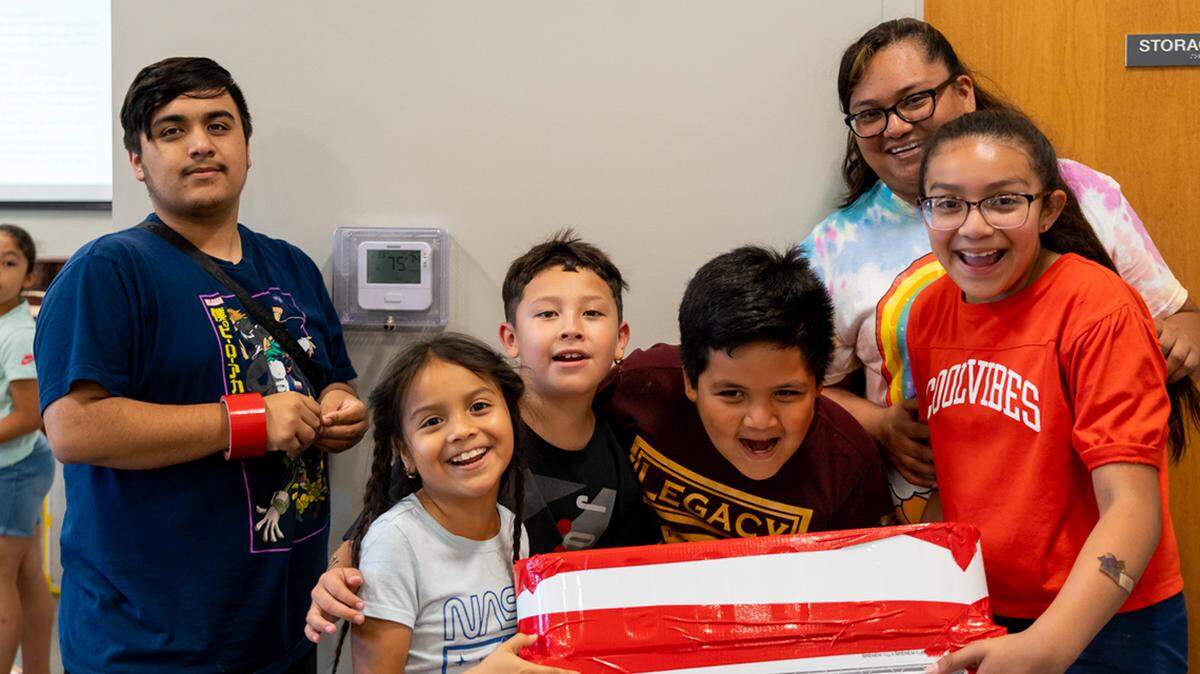
In my job coordinating the Wyandotte County Health Equity Task Force, we launched an initiative this summer to build Corsi-Rosenthal boxes — inexpensive, do-it-yourself air purifiers — to prevent the spread of COVID-19. The task force partnered with the local nonprofits the Jegna Klub and CleanAirNow to organize workshops with local schools and youth organizations. These sessions educated young people in KCK about environmental justice, health equity and how to build an affordable device that can help clean the air of the coronavirus. Framed as a STEM project, this is a visible response to a wicked problem, and it educates young people and empowers them to lead.
These examples illustrate that community engagement won’t be enough to solve real challenges that face us, such as climate change. Rather, we must look for ways to build community power through long-term participation, accessible resources and making sure that real progress is made. That could take a variety of forms in Osage County, but inaction on climate change comes at a far greater cost. We must work together to address wicked problems. Anything less is for the birds.
This story was originally published August 16, 2022 at 5:00 AM with the headline "Sure, Kansas wind turbines kill some birds. That’s a distraction from bigger problems."