
Cancer prevention and screening: A doctor’s advice
Behind heart disease, cancer is the second-most common cause of death in the United States. Based upon current statistics, almost 40% of Americans will be diagnosed with cancer at sometime during their lifetime.
However, the death rate from cancer is declining. In 1991, it was 215 per 100,000 population. In 2017, the death rate came down to 152 per 100,000 population. I am sure it has come down more since because of early detection and treatment.
Organs most often affected by cancer are 1) lung 2) colon-rectum 3) breast and 4) prostate.
Here’s how to minimize your chances of getting cancer, or catching it early when treatment is most successful:
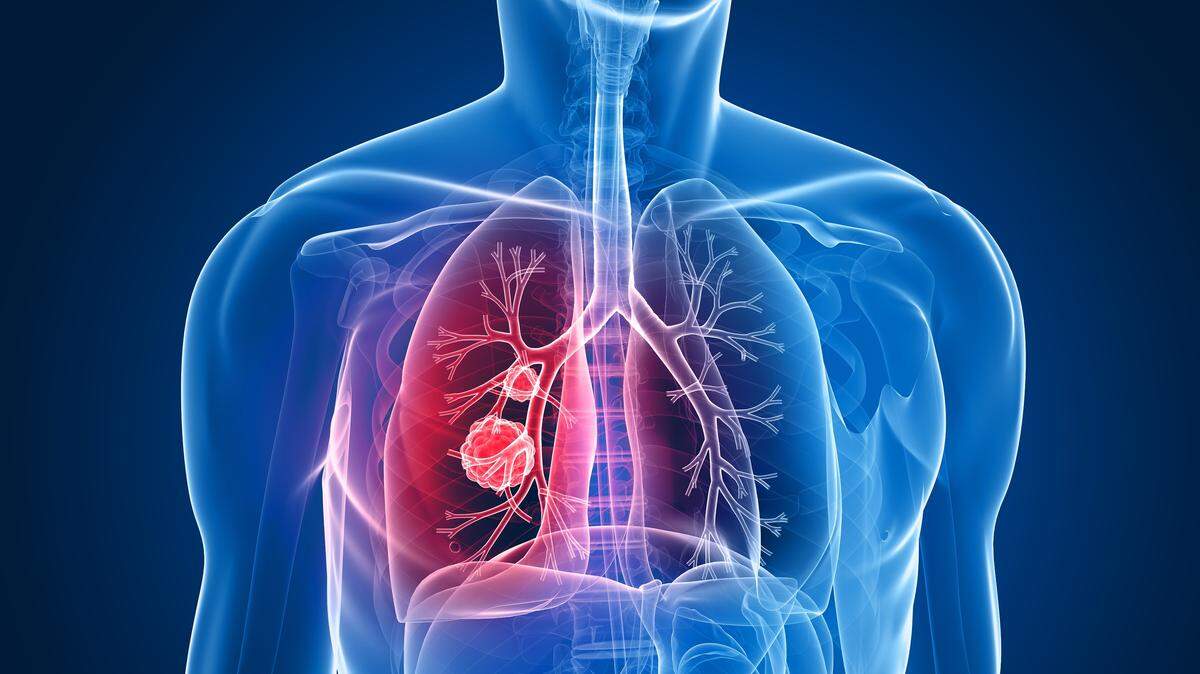
LUNG CANCER is the leading cause of cancer deaths for both men and women. The American Cancer Society estimates 228,820 new cases and 137,720 deaths from lung cancer in 2020. Most Americans die of lung cancer than of colorectal, breast, and prostrate combined.
Cigarette smoking causes 85%-90% of cases of lung cancer.
Advice: Quit smoking, if necessary, use replacement therapy with patches, gum, lozenges, or Wellbutrin.
Electronic cigarettes contain harmful substances and are not a good alternative to smoking. In 2020, approximately 20% of high school students used e-cigarette.
BREAST CANCER: In women, breast cancer is more common than any other cancer.
Risk factors:
1. Family history: One member in the family doubles the risk and two members triples the risk.
2. Menstrual history: Early menarche ( age-less than 12 years) and Late menopause ( age-after 55 years )
3. Past medical history: Cancer in the opposite breast, cancer of the uterus.
4. Reproductive history: Nulliparous (not having children) or late pregnancy.
One out of eight American women will have breast cancer. In 2020, there were approximately 280,000 new cases of breast cancer and 42,690 died.
Advice: Quit smoking, limit alcohol consumption, exercise daily. Take medication, Tamoxifen or Raloxifen, if there is a strong family history and if your doctor prescribes. Yearly mammograms are recommended starting at age 45 or as advised by your doctor.
COLORECTAL CANCER: This is the second leading cause of death due to cancer. In 2020, an estimated 148,000 new cases of cancer of colon and rectum were found in U.S.A.; and there were 53,200 deaths. The death rate has come down because of early detection.
Risk factors:
1. Smoking
2. Eating a lot of red meat
3. Excess alcohol intake
4. Overweight
5. Lack of exercise.
6. Age, median age for men, 68 and for women, 72
Advice: Start getting screened for colorectal cancer starting at age 50, or 40 if you have a first-degree relative with a history of colorectal cancer. Colonoscopy should be done every 10 years or Cologuard every three years. CT Colonography is another option.
PROSTATE CANCER: This is the third leading cause of cancer-related death in American men. In 2020, 192,000 new cases of prostate cancer were diagnosed. 33,330 cases of prostate cancer deaths were reported. Many are asymptomatic. When it spreads to bone, it may cause back pain or fracture from minor injuries.
Risk factors:
1. Black race
2. Family history of prostate cancer.
Advice: Get a test for Prostate Specific Antigen, also called PSA. Normal is less than 4. If it is more than 4, it doesn’t necessarily mean you have prostate cancer. That means you need to see your doctor. He will do other tests.
The frequency of PSA screening is controversial. United States Preventive Services Task Force recommends taking PSA tests starting between 55-69 years of age, or as advised by a physician. Screening after age 70 is usually not performed.
This story was originally published June 9, 2022 at 6:00 AM.