
Mom: Disabled need help on health care and Schmidt’s in the way
Imagine you are disabled.
You have profound difficulty hearing or seeing or walking.
Maybe you have a traumatic brain injury with debilitating cognitive impairment — maybe you even have more than one of these conditions.
Now, imagine you can’t afford health insurance.
That’s the reality for too many Kansans with disabilities.
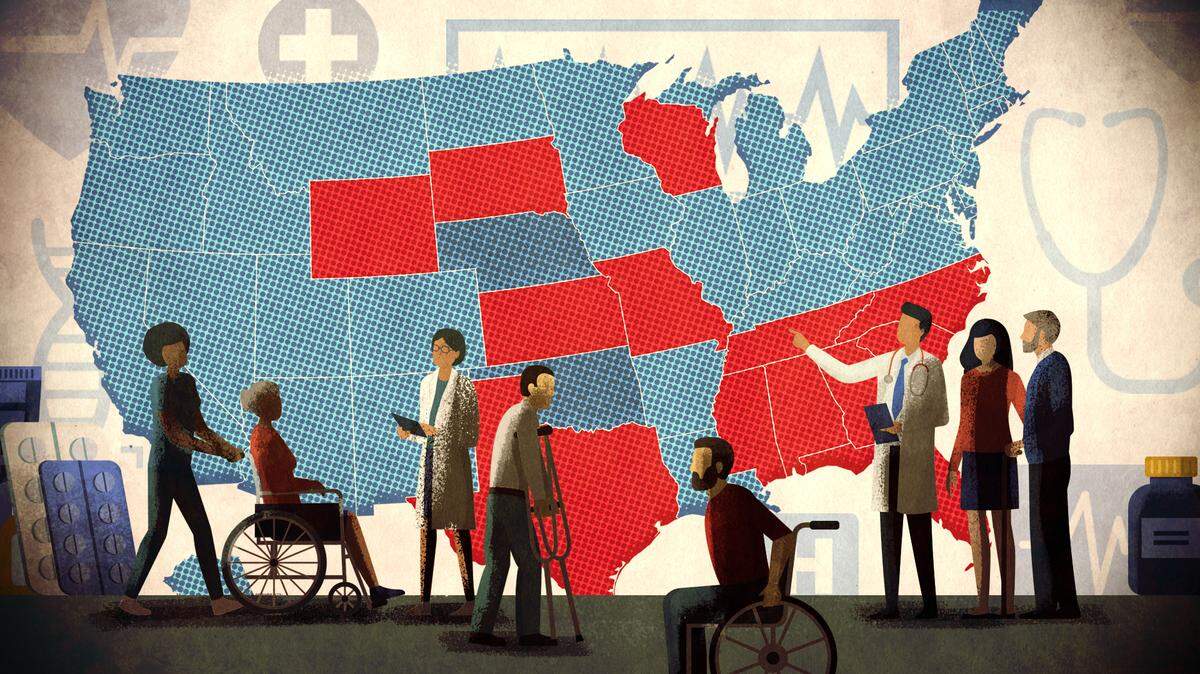
Medicaid expansion would significantly improve the health and lives of Kansans with disabilities, and would increase access to health care for 15,000 disabled Kansans. That’s huge.
I am an advocate for disability rights and services because my beautiful daughter, Charity, is an adult with Down Syndrome.
I am aware of how often persons with disabilities are forgotten about and made to fend for themselves. We have a real opportunity to change that.
Expanding Medicaid would significantly improve the overall lives and well-being for Kansans with disabilities.
People with disabilities living in expansion states are much more likely to be employed than those living in states without expansion, like Kansas.
It makes sense – because without your health, how can you work? And without a job and the insurance that comes with it, how can you access care?
Expanding Medicaid creates revenue that not only helps offset the costs of expansion, but even provides a surplus, giving our state additional funds that could be used to expand Home and Community-Based Services.
These services allow persons with disabilities to live, work, thrive, and be full participants in their own communities. States that have expanded Medicaid have smaller wait lists for those seeking care via HCBS.
Direct Service Professionals would also benefit from Medicaid expansion.
DSPs serve persons with disabilities, typically for low wages, and no healthcare benefits – a reality that has created a staffing crisis as workers leave the profession for jobs that have healthcare benefits.
Medicaid expansion would help many DSPs who fall in the coverage gap, and sweeten the pot for recruitment and retention of quality workers in these critical positions.
What would Medicaid expansion mean for 15,000 Kansans with disabilities?
Access to healthcare coverage. Improved employment rates. Increased HCBS capacity. Comprehensive community integration. Shorter waiting lists.
What would expansion mean for their family caregivers and DSPs?
Expanded benefits. More favorable physical and mental health outcomes. How can our representatives continue to say no?
Despite the benefits, politicians like Derek Schmidt continue to oppose this essential resource.
Throughout his career, Schmidt has stood in the way of Kansans’ ability to access health care, including by opposing a plan that would have increased access to health care for 30,000 Kansans, and suing to block access to health care for 150,000 Kansans and the creation of 23,000 jobs.
Schmidt watched as the hospital in his hometown was forced to shut its doors due to lack of funds, and still hasn’t changed his mind.
Health care is on the ballot this November.
Cammie Funston is a member of ACT of South-Central Kansas, a group that links individuals with disabilities and their advocates with elected officials. She is a former public special education professional, and currently works as a Direct Service Professional. Funston is the mother, legal guardian, and primary advocate for her adult daughter with Down Syndrome.
This story was originally published April 27, 2022 at 4:45 AM.