
Physicians need to be able to change their minds | Commentary
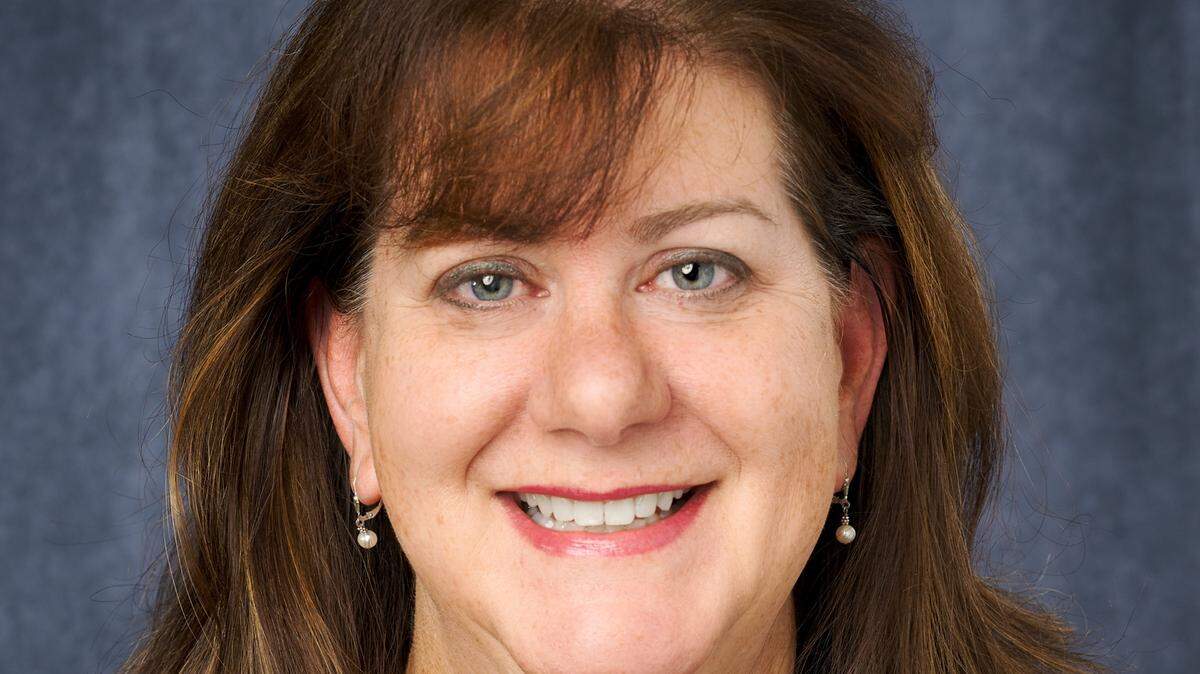
“I guess a lady’s allowed to change her mind!”
A grizzled engineering contractor said that to me, almost 30 years ago, as I made changes in a piping plan for a chemical plant process — changes that were needed because Research and Development had just sent new details about the process. He said it with exaggerated politeness and thick condescension, and I bristled immediately.
An indignant 24-year-old, I quickly pointed out that my being a lady had nothing to do with the need for a change in the plan. But I think his comment really bothered me because I was anticipating a pretty significant career change, and this statement cut to the heart of my anxiety.
Not long after that conversation, I signed up for the MCAT (Medical College Admission Test) and applied to medical school. Two years later, I left my fledgling engineering career and enrolled at the KU School of Medicine, pursuing a lifelong career plan I thought I had abandoned.
I have thought about that statement a lot in the past two years but with a twist: “I guess doctors are allowed to change their minds.”
The past two years have disrupted medical practice with one change after another due to the COVID pandemic. How and when we see patients, how we treat them, and how we prioritize their care have all been affected.
And in this time, the society around us has frequently demonstrated intolerance of medical professionals changing their minds about treatments, even when these changes are based on evolving and newly acquired knowledge. Some people react with outrage and vitriol every time a new public health guideline is issued.
I am aware of our community’s worry, consternation and fear of COVID. I am aware that frequent changes in medical direction and published best practices can cause confusion and frustration. But it is a relatively new phenomenon that changes in medical advice, evolving with data, are being interpreted as incompetence or fraudulence.
As the COVID pandemic has evolved, we have been learning on the fly. We have had to change our minds, over and over, about what is best prevention, best treatment, best education, best focus, best anything. But we are not changing our minds capriciously; we are learning and adjusting based on mounting data.
With human cognition and understanding come learning, indecision and the ability to change our mind. If we lose our mental flexibility, we become rigid and unyielding. In science (including medicine), as new facts, observations and theories evolve, conclusions are edited or even abandoned.
If physicians are unable to change their practice patterns, to learn with new advances, or if they refuse to let go of old methods, patients suffer. Previous patterns of practice are replaced with new treatments as knowledge increases.
COVID has been difficult on everyone. But rather than feeling frustrated and betrayed when public health and medical guidelines change, be glad that treatments and guidance are evolving with new data and that physicians are willing to change their minds when it is appropriate.