
Youth prisons don’t work — investing in the future does | Commentary
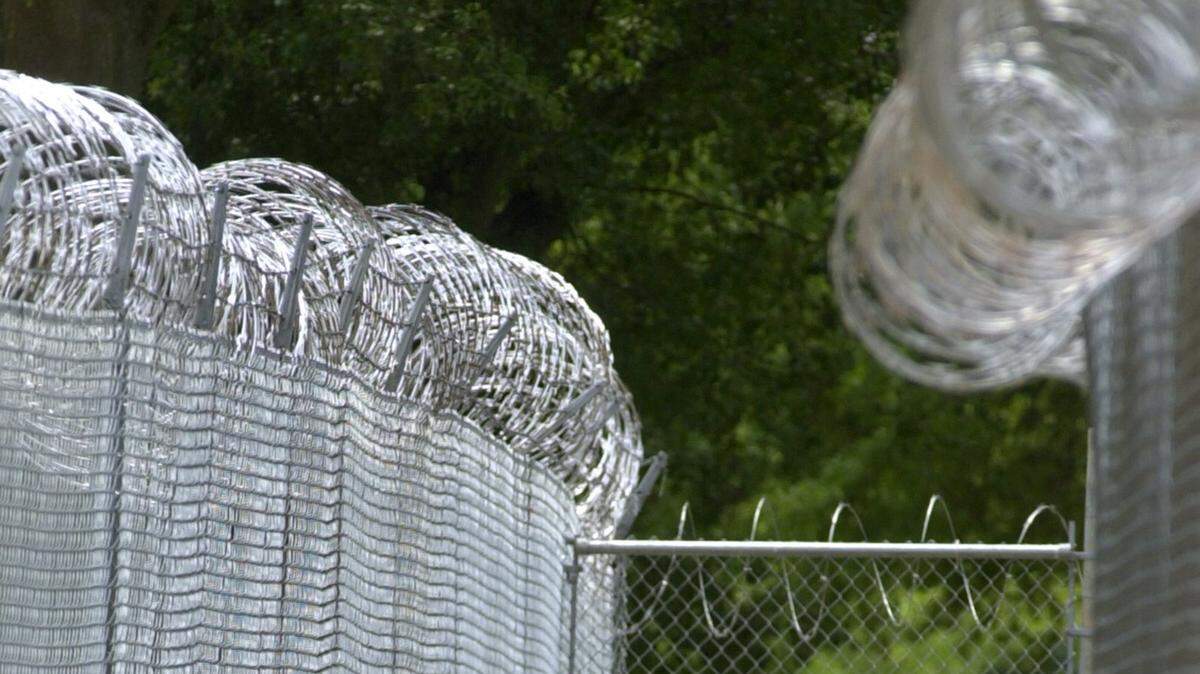
We are approaching the end of another unprecedented year for Kansas’s young people. Yet, as COVID-19 disrupts schooling and activities, one group is often forgotten in the seasonal narrative — incarcerated youth. While Kansas has moved incrementally towards a youth justice system that relies less on incarceration and more on effective community-based alternatives, a disproportionat number of Black and brown youth remain incarcerated and vulnerable to inhumane conditions, COVID-19 and abuse at the Kansas Juvenile Correctional Complex.
Now, Congress is considering appropriating $50 million in planning grants to states to close failed youth prisons and expand access to more effective community-based alternatives. If allocated, these funds could facilitate the closure of KJCC, Kansas’s last remaining youth prison, which would represent a significant step towards achieving a youth justice system focused on rehabilitation and prevention over punishment.
All young people deserve the opportunity to realize their full potential. Placing young people behind bars has been proven ineffective and detrimental to their ability to finish school, find a job and build a healthy future.
One of us knows this because we lived the trauma of youth incarceration firsthand and are now working to advocate for children facing the same injustices. The other knows this from the judicial bench, having served as a judge for 21 years and as a Kansas Juvenile Justice Review Committee member from 2015 to 2016.
Through its Juvenile Justice Review process, Kansas leaders have already taken the first, critical steps toward making the juvenile justice system more effective and fair. We know it’s past time to shift from the harmful, traumatic practice of incarcerating young people. Kansas has the opportunity now to become a national leader in youth justice reform, and our policymakers should help secure our young people’s futures by supporting the proposed $50 million in federal funding to provide grants to states such as Kansas to achieve these results.
Kansas’s landmark youth justice legislation, Senate Bill 367, which recently celebrated its fifth anniversary, resulted in the closure of youth facilities, increased investment in effective community-based alternatives to youth incarceration, and an overall reduction of youth in custody by nearly 88%. However, the youth prison system still left in Kansas is expensive and does not work. It costs $134,224 to imprison a child for one year but less than $10,000 to provide that same child with public education.
We should use funding currently spent on youth incarceration to provide young people with the proven resources and programs they need to thrive, including community-based services, alternative education, recreational opportunities, mentoring and more. Young people are better served in their own communities, with access to mental health and family services that help address the root causes of crime to ultimately build stronger communities.
Expensive and ineffective, youth incarceration also disproportionately impacts Black and brown youth. For example, the Census Bureau estimates that roughly 6.1% of Kansans are Black, yet Black youth represent around 30.7% of the Juvenile Facility population.
It is time to move away from this inequitable status quo for youth and our communities. In October of this year, Progeny released From Harm to Healing: The Blueprint to Healthier Outcomes for Kansas Youth. This report examines the fiscal and social costs of imprisoning youth in Kansas and recommends a path forward for closing KJCC and reinvesting in community-based supports.
The steps Progeny outlines will build a better Kansas. To help implement this strategy, we need Congress to appropriate $50 million in federal funding to help states and stakeholders work together to close failed youth prisons and expand access to more effective community-based alternatives.
Now is our opportunity to fully reimagine the youth justice system and position Kansas as a national leader in youth justice reform. Young people and communities across the state are counting on Kansas leaders to take this opportunity to build a better future for all youth.