
Kansans can come together to save our grasslands | Guest commentary
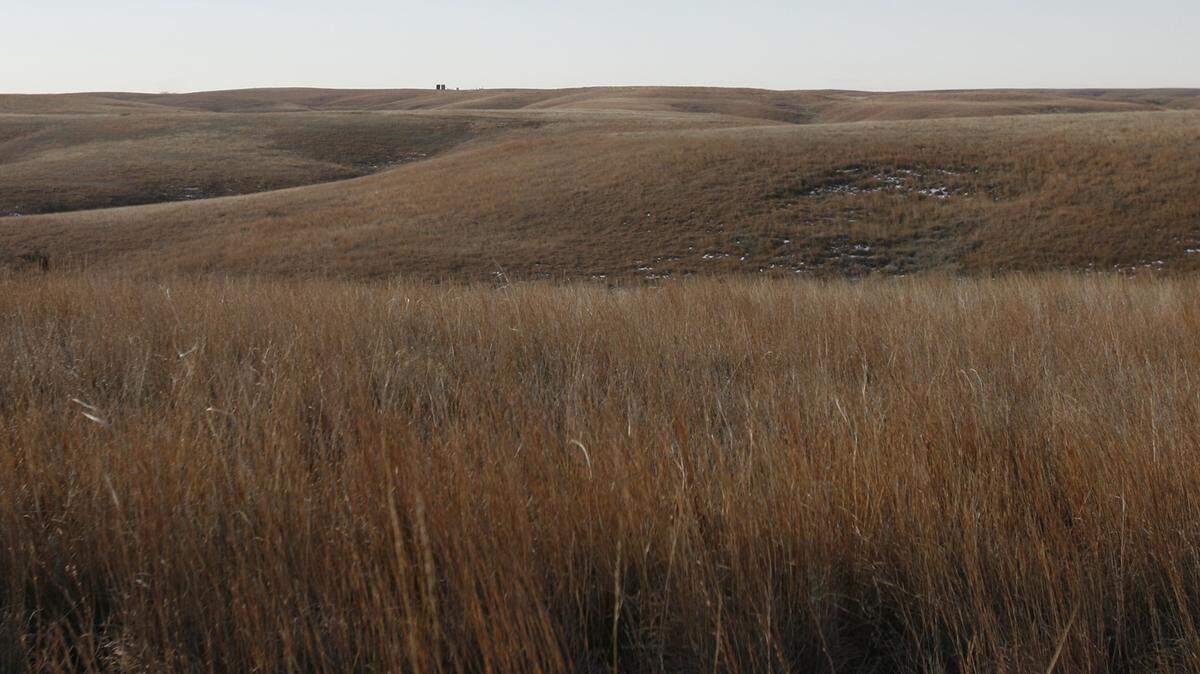
We remember a time, not all that long ago, when the soundtrack of our state was the “bob-white” whistle of quail and the excited song of western meadowlarks. Like the quail and meadowlark, there are thousands of species of birds and wildlife who call the grasslands of Kansas their home. Kansas’ grasslands are one of the state’s natural wonders. They support farmers and ranchers, hunters and birders, and all Kansans who love the outdoors. But our grasslands in Kansas and throughout the United States are dwindling, and the once vast prairies are now one of the most threatened ecosystems on our planet. Fifty-three million acres of grassland habitat have disappeared from the North American landscape in the past 10 years alone. That’s an area the size of our great state. And Kansas is the epicenter for that grassland loss. Yes, right here in our own backyard, in our home state, our grasslands are in danger of disappearing.
There is, however, a plan for action before it’s too late. A group of leading conservation organizations — including Pheasants Forever and Quail Forever, Kansas Wildlife Federation, National Wildlife Federation, Backcountry Hunters & Anglers, The Izaak Walton League, and The Theodore Roosevelt Conservation Partnership — have drafted a plan that brings together all those who rely on the grasslands to conserve this beautiful land for future generations, while also providing economic opportunities for ranchers and farmers and for outdoor recreation.
This new plan, drafted as the North American Grasslands Conservation Act, would provide the funding needed to restore and conserve Kansas’ beautiful grasslands while creating a program that would work with ranchers and private landowners to create economic and outdoor recreation opportunities.
Working farms and ranches are core to the success of the American grasslands. Ranchers and those who work the land have been stewards of these habitats for generations, and any successful conservation plan would rely on the knowledge and experience of these Kansans. This new, innovative approach, which is currently being proposed to Congress, would create grants designed to provide landowners voluntary, flexible economic incentives and opportunities to help improve and conserve our disappearing grasslands. Conservation priorities could include restoring native grasses, controlling invasive species, prescribed fire, and other management practices, especially fighting tree encroachment that has been turning our grasslands into cedar forests with no utility. These grants would be entirely voluntary and would act to assist ranchers and landowners in the expansion of conservation actions that they are already doing.
A program such as a North American Grasslands Act would also create new economic opportunities across Kansas by funding jobs, improving habitat for grassland species including game birds, and providing the spaces, education and strong wildlife populations that draw people to our state for hunting and outdoor recreation. Most importantly, it will ensure that our beloved “Home on the Range” does not become a distant memory of generations gone by.
The Kansas prairies are in danger, but by working together, we can ensure their beauty for future generations and for all those who rely on them. No matter who we are or what we do, whether we know it or not healthy, and intact grasslands are critically important to us all.
There is no place that’s more true than in our state.
Rick Hines grew up on a farm in southeast Kansas. He is an attorney and has a farming operation and owns approximately 1500 acres of grassland, woodland and farmland. William (Brad) Bradley was raised on a Kansas farm. He is a retired co-founder of an IT company and for 14 years has managed 2,000 acres of pasture, cropland, and timber using regenerative agriculture along the eastern Kansas border.