
Education funding and policy go hand in hand | Commentary
Kansas spends almost $6 billion annually on K-12 education, which is over half of the State General Fund budget. Supporting and funding Kansas children has always been one of our State’s top priorities. With ever increasing and record spending, questions remain. Is our Constitutional funding benefiting all of our students? How is the funding being spent? Who are we leaving behind? Why are almost half of our free and reduced-price lunch students, some of our most at-risk, not performing at grade level? Several years ago, the Kansas Supreme Court opined that our education system has failed to provide a suitable education for the lowest performing 25% of students. Now that the funding is settled, it’s time to focus on the tough questions and get real answers. Who is accountable for our failing kids?
This session’s education bill, SB 175, previously HB 2119, combined education funding with policy — something that a majority of legislators believe should always be paired together. There is no wisdom in spending billions on public education without ensuring tax dollars are spent to raise student achievement, meet the challenging needs of at-risk students, and provide Kansans a return on investment.
What was included in SB 175? For one, the full funding of our Constitutional obligation as mandated by the recent Gannon Kansas Supreme Court ruling and recommended in the governor’s budget. Two, it included remote and hybrid learning parameters that gave schools flexibility to utilize remote options during disaster emergencies. Finally, the bill included two school choice provisions that provided low-income and at-risk students the resources needed to improve their educational outcomes. Students could qualify for the Low-income Tax Scholarship program based on poverty indicators or for the Student Empowerment Act (SEA) based on poor performance in school.
Public schools serve the vast majority of students in Kansas — over 472,000. Allowing an Educational Savings Account through the SEA Program would allow at-risk students who are not performing at grade level in math or reading, struggling with dyslexia, or are receiving at-risk services from their school to have an opportunity to make educational choices to improve their chances for success. For students who are not reading at grade level by third grade, the statistical prognosis is not good — most will never catch up with their peers. It’s time Kansas takes bold action to provide hope to those students who are failing in our public schools.
Among students receiving free or reduced-price lunches, 49% are performing below grade level on English Language Arts standards and over 80% are not proficient (not college or career ready). The gap between the haves and the have nots is growing. What will our public schools do to reach these students? How much more will we allocate for at-risk funding without results? How many kids will never reach their potential? It’s time to ask what’s best for the student. It’s time to challenge the status quo and prioritize students over systems.
For those concerned that tax dollars available for private school tuition and other educational expenses threaten the autonomy of private schools: the United States has long funded private religious and nonreligious universities through Pell grants, state funding and local grant dollars without infringing on First Amendment rights. SB 175 does not threaten private schools by requiring schools to be a qualified accredited school to participate. No school or child would be compelled to participate in any program contained in this bill.
It’s time to empower students and families with options to succeed. When one student finds success, it strengthens our communities, our schools, our families and our state. Let’s ensure student success by meeting the individual and unique needs of each child and stop putting systems and institutions above the welfare of children.
When we head back for Veto Session, let’s be sure funding and policy go hand-in-hand and that every dollar is used to help students succeed. Kids first. Always.
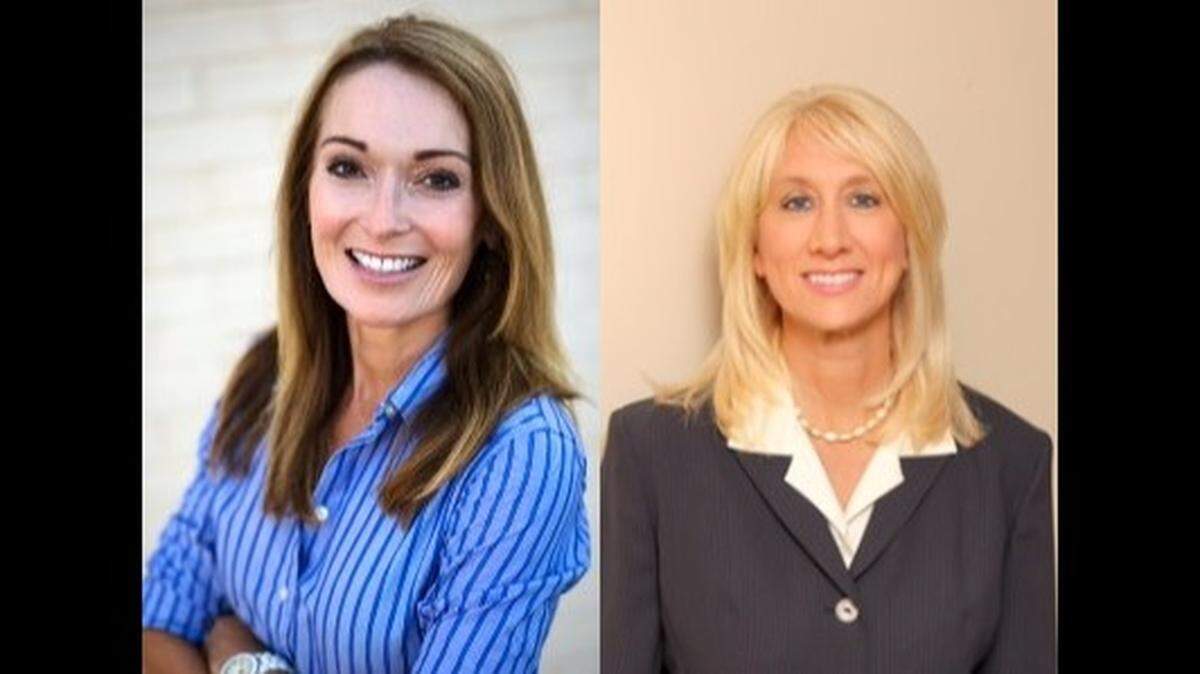
Rep. Kristey Williams, R-Augusta, represents Kansas’ 77th House District and is House K-12 Education Budget Chair. Sen. Renee Erickson, R- Wichita, represents Kansas’ 30th Senate District and is Senate Education Vice-Chair.