
To level the playing field for family farms, overhaul the price structure of milk
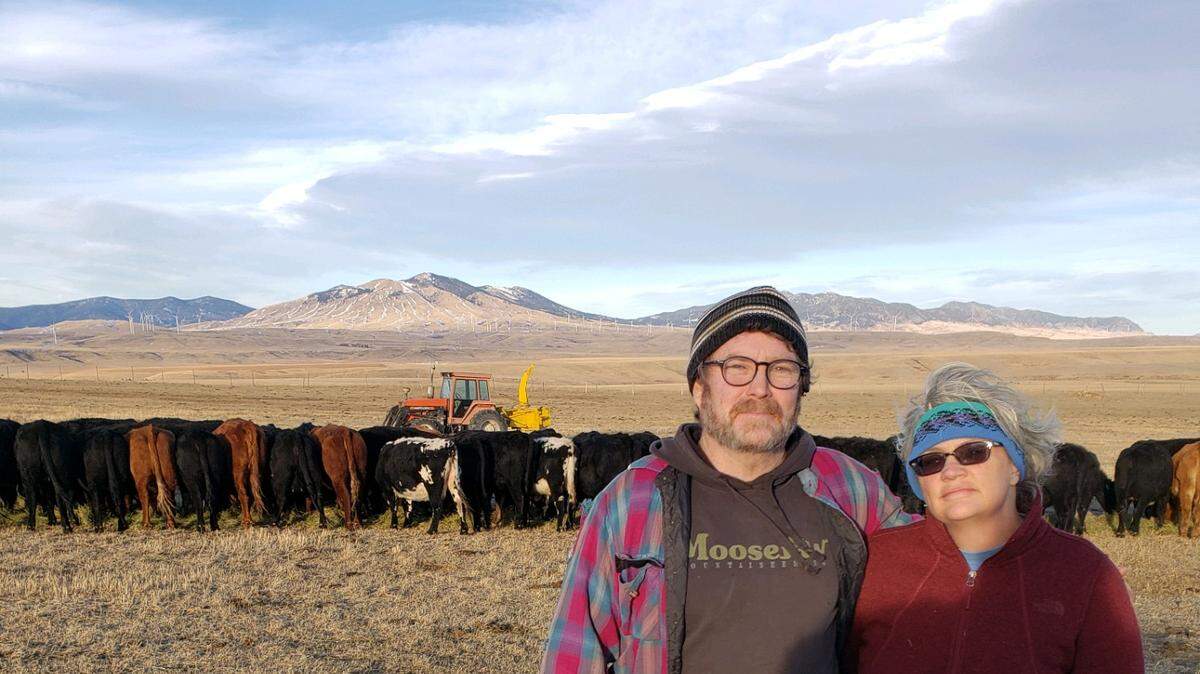
Family farms have been and are still a major driving force in rural communities. Family farms support the local schools, churches and businesses. Consumers across America want locally raised food. Everyone seems to want to lower their carbon footprint. The consumer wants to know the story behind who grows their food.
However, all sectors of the family farm are being forced out; the family dairy farm is one example.
Investor owned mega-dairy farms have been built all across the country. According to a USDA report from 2017, there are 187 dairies nationwide with 5,000 cows or more, the largest being Threemile Canyon Farms in Oregon, with 70,000 cows. These mega-dairies have a huge operating cost advantage. They run 24 hours a day and some mega-dairies milk cows three times a day.
These huge dairies don’t buy local, they tend to have semi-loads of supplies and feed trucked in direct, cutting out local businesses. According to the USDA, in 2019 dairies with 2,000 head or more had an operating cost of $5.50 per hundredweight advantage than a 50 head dairy farm. Now we even have Wal-Mart and Kroger, two of the largest retail grocers bottling their own milk.
We need a plan that will save the family dairy farm without costing the taxpayer or consumer anything.
To level the playing field, the price structure of milk needs to be overhauled. One idea that is gaining support from most farm groups, especially those with family farms as members, is a two tiered pricing system. Everyone, regardless of their size of herd, would get the same price per the first million pounds of milk they produce each month. The average dairy cow produces about 65 pounds per day. Using a 30 day month, a herd of 500 would still receive the higher price for all their milk. Any production above this level would be paid at a lower price. Since the mega-dairies have a lower cost of production, any milk they produce after one million pounds would still be profitable to them. Dairies could produce as much milk as they want; there would be no quota, only a two-tiered pricing system.
The whole country would need to be on the same pricing system. Historically, different regions of the country were paid at different rates. This system, the Federal Milk Order, pays producers more in higher milk utilization areas, around larger cities. With the development of larger dairies and better roads and trucks, milk is now shipped from one region to another on a regular basis. This is making the regional prices less relevant.
If the whole country had one pricing system, then the two-tiered system could easily be administered by the same government agency that regulates it now. This would allow for family dairy farmers to be paid a livable wage, which will encourage future generations to come back to the farm and in our rural communities.
If we do not stand up for the independent family farm, then we will be stuck with mega-farms as our only source of milk. We should look at what happened with the huge meat processing plants when COVID-19 shut them down. Do we want the same possible scenario to happen with our dairy supply when another pandemic hits? This is not only about rural communities, but food safety and security.