
Matthew Sanderson: Let’s not get back to normal
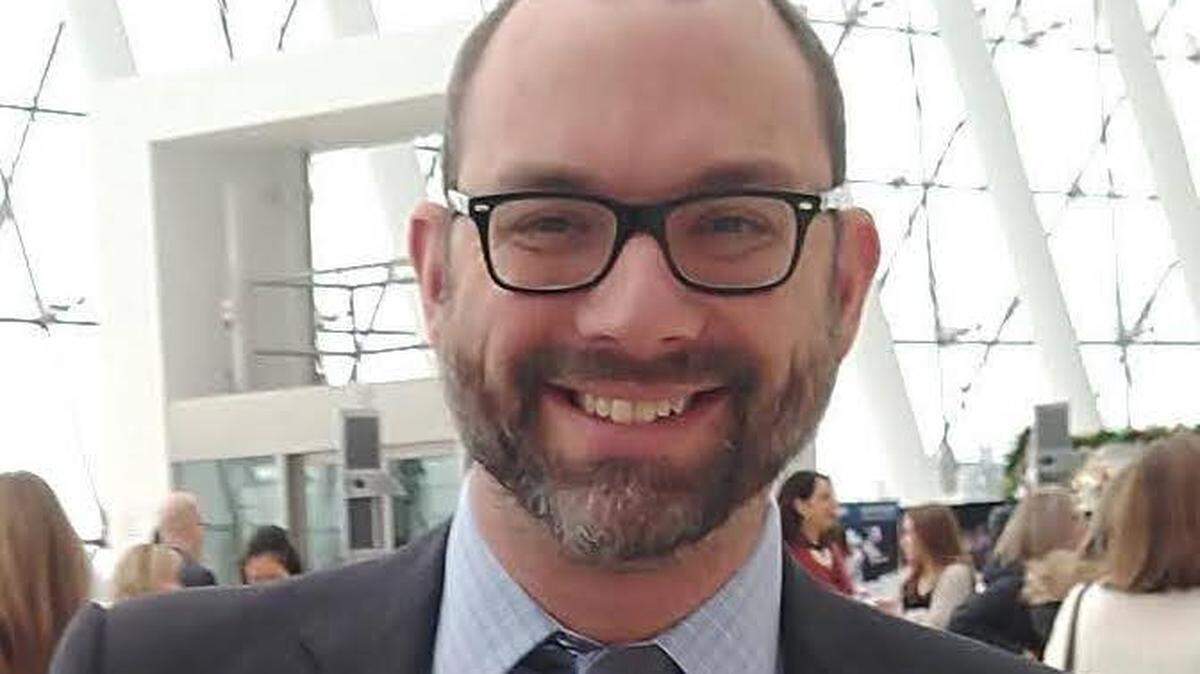
As we enter month nine (or is it month 6 or 11?) of the COVID-19 pandemic, with fires in the West, protests in the streets, schools cautiously re-opening, and football tentatively returning, we hear it everywhere: “I’m ready to get back to normal.”
But we must recognize that the events of this year were not made this year. They are outcomes of processes long in the making, part of our “normal.” Each shows us the many ways “normal” made our economy, communities, and environment more vulnerable.
What was this “normal” to which we ache to return? For too many of us, “normal” was a continual cycle of work, spend, repeat. It was a treadmill — or worse, a treadmill that was speeding up, making it impossible to live comfortably. Some of us benefited much more than others from this treadmill of existence, but all of us know this. Many of us lived it. Here are but a few glimpses of our pre-COVID “normal”:
Normal was profoundly unequal, in starting points and outcomes, with daunting levels of social and political tension stemming from such stark inequalities: economic, racial-ethnic, etc. Real annual wages for an average American had not increased at all since 1979, while the top 1% of Americans saw their real annual wages grow 156%. Sixty million Americans had a net wealth of zero dollars ($0). The net worth of the average white family ($170,000) was 10 times the net worth of the average black family ($17,000). Normal was living in a $20 trillion economy while one in every six of our children — our future — did not have enough to eat.
Normal was downright deadly for many of us: Nearly one-half of us were obese, while one of every nine of us — 37 million — did not have sufficient food to eat on a daily basis. Suicides were at all-time highs and were still rising, and drug overdoses and alcoholism were surging. It was a normal in which our life expectancy had actually been declining. A baby born in the U.S. in 2019 was expected to live a shorter life than a baby born in 2014.
The year 2020 did not spontaneously erupt in protests, pandemic, and fires. The year 2020 is the outcome of “normal.”
Let’s not get back to normal. We can imagine more meaningful lives, which are already so short. Instead of seeking “normal,” more of us should ask ourselves, friends, family and policymakers: How do we build a new normal, one that is better for all of us?
This is the time to ask the question, because the treadmill is starting to turn once again. To be sure, the pathways off the treadmill are anything but clear. No one alive has ever lived through a period like this. But we do build our “normal” together. We may never have a better opportunity to build a new normal, each of us, than right now, while “normal” is on pause. With shorter, colder days and flu season on the way, it will once again be more difficult to connect with each other again in person. There will be every reason, driven by deep-rooted human motivations, to try and rebuild our “normal” as quickly as possible. But we must remember that “normal” got us here.
This story was originally published September 19, 2020 at 6:03 AM.