
New federal program being tested in Kansas helps injured workers return to work
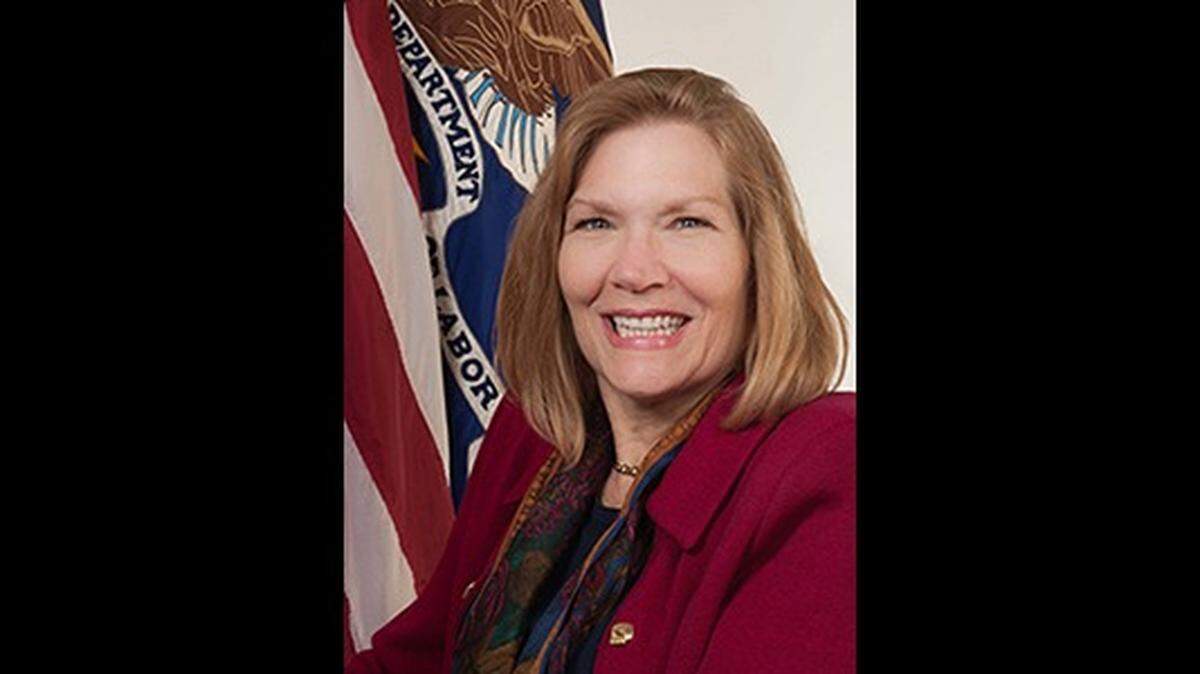
As the Deputy Assistant Secretary of the Office of Disability Employment, my professional background lies in the policy arena of Washington, D.C., but my roots come from the great Sunflower State of Kansas. Many fond memories were made gathered around the table of my grandparents, Phil and Methvyn Sheehy, where the youngest generation of my family listened to stories of humor and hard work. As children, we are often struck by the tenacity of our elders, and hearing my aunts and uncles relay the tales of their many different jobs, I was inspired by their hardworking nature. The spirit of collaboration and strong work ethic is one that continues to inspire me today, as I witness firsthand the same qualities in America’s workforce.
Spending time in the heartland offered a perspective on the industriousness of the American worker that is central to our national identity. On Labor Day, we honor this industriousness, which can be found not just in America’s heartland, but all throughout the country. It’s a celebration of the resourcefulness and resilience that define the world’s greatest workforce. To those of us at the U.S. Department of Labor, it’s also an annual opportunity to reaffirm our commitment to serving the men and women who support their families, give back to their communities, and power the American economy. I am especially proud to lead the team that ensures this commitment includes America’s 15 million working-age individuals with disabilities, whose talents we can’t afford to leave on the sidelines. Doing so runs counter to our economic interests and our founding ideals of independence and self-determination.
To effectively serve America’s workers, we must ensure they can gain skills and put them to work. We must also ensure they can stay at or return to work in the face of unexpected challenges. The COVID-19 pandemic illustrates this on a broad scale. But it’s an urgent concern, at any time, for people who experience an injury or illness that threatens their future employment.
Each year, millions of workers experience such an injury or illness, whether on or off the clock. The key to supporting these workers is early, effective coordination among the individuals and their employers and healthcare providers. This approach is the premise behind the Trump Administration’s Retaining Employment and Talent After Injury/Illness Network (RETAIN), a DOL-funded program through which eight states are conducting pilot projects focused on helping injured or ill workers return to work as soon as medically feasible.
One of these states is Kansas, which has a long history of taking steps to make its workforce inclusive of people with disabilities. As a person with a disability myself, this is another reason I take pride in my Kansas roots. Like many Americans, I acquired my disability as an adult, due to a spinal cord injury when I was 32. If not for the support I received from my family and friends, medical team, and employer at the time, I might not have returned to work.
Today, I’m heartened to know that people in Kansas and other RETAIN states receive similar support. As one example, with assistance from Kansas’ RETAIN program, a mechanic with an employment-altering knee injury was able to embark on a new career. RETAIN assessed his interests and experience and facilitated accommodations and training he needed to pursue a new opportunity. Thanks to RETAIN — and his quintessential American industriousness — he’s now back in the workforce.
The long-term goal is to learn from the RETAIN pilot states, in order to create replicable models for use across the nation. In the meantime, some RETAIN states are already leveraging lessons learned to inform their reopening plans. In many ways, RETAIN resonates more than ever, as we collectively assess how best to stay at or return to work safely. America’s economic rebound post-coronavirus now will be fueled by resourcefulness and resilience — attributes only strengthened by virtue of experience with injury or illness. Going forward, all segments of the population, including people with disabilities, must have access to the services and supports they need to remain a part of the world’s greatest workforce.