
Amid the scourge of racism, we pledge to stand as allies with our neighbors of color
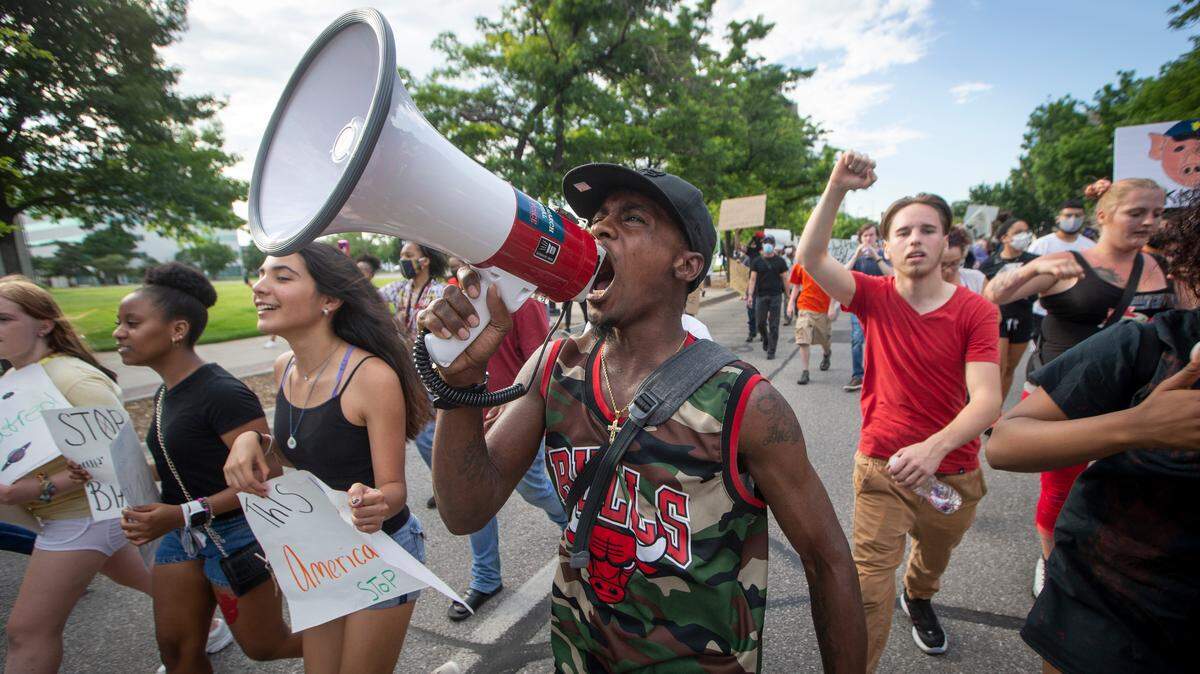
We are Americans who have been largely blind to the ugly truth that our white skin confers privilege and power — advantages unavailable to Black and Brown Americans.
Two years ago, members of our congregation formed a house church to study racial injustice. Our eyes were opened to the unequal power dynamics that shape our relationships with people of color and institutions that affect us all.
The violence of past weeks has triggered a similar awakening as more white Americans see how their privilege obscures the truth that the everyday life of a Black American can be dangerous, disadvantaged, and humiliating. Our skin color should not make our lives easier, and Black and Brown lives harder.
We heard from a Black grandmother of continuing harassment of family members by the police for “driving while Black” often resulting in no arrest or ticket, only the humiliation of being pulled over. We could hear why generations of her family carry fear and anger toward the criminal justice system. We also could see how skin color protects us from the many other burdens of racism.
We celebrate progress in extending America’s promise to Black citizens. People of every color have marched to eradicate racial injustice. And yet, as we have heard and seen in past weeks, the scourge of racism remains.
Racism is revealed through stories and statistics showing racial disparities in health care, criminal justice, education, housing, and voting access. Racism is the combination of prejudice and power resulting in white domination in nearly all institutions. We can no longer look away from this truth.
With changes in hearts and minds, we can atone by pursuing reconciliation and justice. Here are ways we pledge to stand as allies with our neighbors of color:
Admit our privilege and implicit biases. Self-protection makes us loathe to see internalized prejudices. One of our house church members recalled with shame the fear he instinctively felt getting on an elevator with a lone black man. Another realized she gave extra scrutiny to a black teenager in her neighborhood. “My family didn’t own slaves” can never be an excuse for ignoring our contribution to inequality. We continue to benefit from that terrible legacy of a country built with the unpaid labor of slaves and sustained with the underpaid labor of people of color.
Be present. White people must talk less and listen more. That Black people experience life differently is inescapable. We can lessen our ignorance by reading the American history we were denied in school. Call our church for a bibliography to learn more of the corrosive ideology of Black inferiority that has coexisted with American democracy.
Deploy our privilege to defeat racism and advocate reforms. Words and empathy are not enough. We will choose action over guilt. We will speak up when we hear a racial slur or witness injustice. We will attack structural racism by kneeling, joining, marching, protesting, writing, and voting.
At the center of our faith is the mandate to love our neighbor. That love requires listening, acknowledging pain, and advocating for change alongside people of color. And, we will continue to insist that Black lives matter until they and other neighbors of color achieve the same freedom and security that we enjoy.
This story was originally published June 25, 2020 at 3:06 PM.