
I’m protecting seniors from COVID-19. Why does Trump want to deport me?
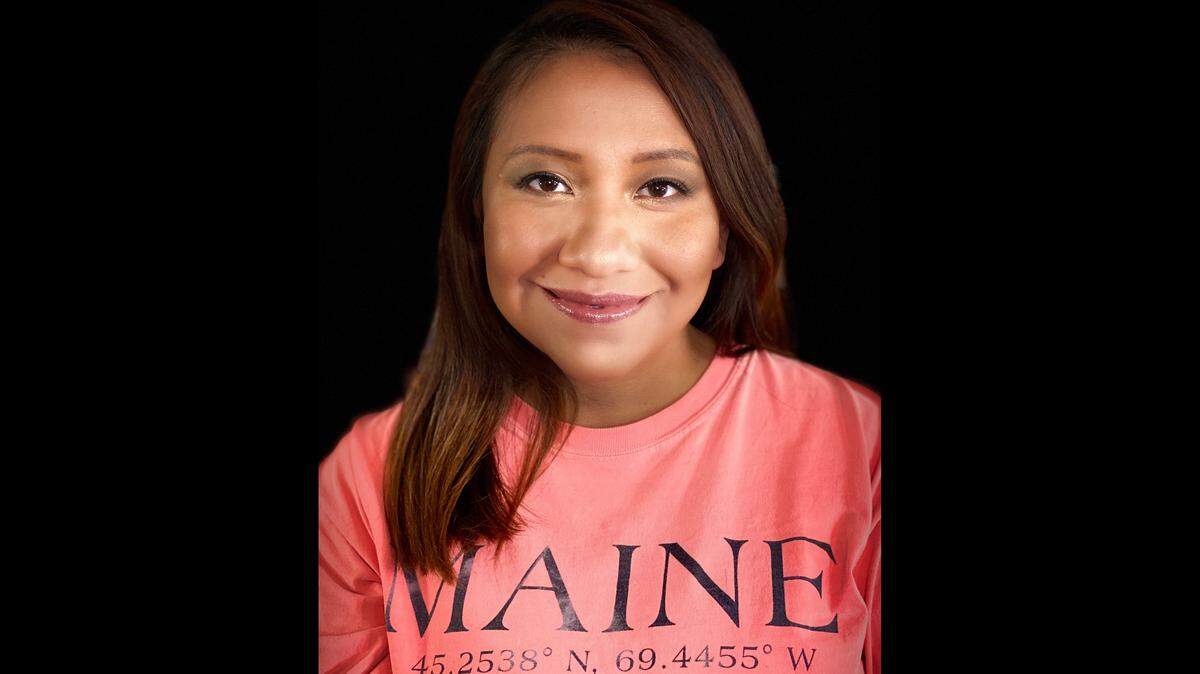
My husband and I both know what it means to put our lives on the line for America. Last year, he returned from a nine-month tour in the Middle East, where he served as a specialist in the Kansas Army National Guard. Today, as a mental-health case manager and a medication aide at an assisted living facility, I’m fighting the battle against COVID-19. We are both honored to serve our country — but because I’m a Dreamer, we’ve worked beneath an especially heavy burden: Our president is fighting for the right to deport me.
While my husband and our young daughter are both U.S. citizens, my parents brought me to the United States from Mexico when I was 2 years old. Because of that, I’ve spent my life here as an undocumented immigrant. Even after marrying a citizen, I’d have to return to Mexico and potentially spend years separated from my family in order to have a path to permanent residency. The Deferred Action for Childhood Arrivals (DACA) program lets me live and work here legally — but the Supreme Court could allow President Trump to scrap the program and begin deporting people like me.
That would be a disaster for the vulnerable people I’m helping. The coronavirus pandemic has been extraordinarily difficult for people with mental health issues, many of whom have underlying medical conditions. I now spend 40 hours a week reassuring clients, by phone and video-chat, and helping them access the care, support, and medical attention they need.
On the weekends I head to a nearby nursing home, where I’m a medication aide in the Alzheimer’s and dementia unit. More than 400 long-term care facilities across the country have already seen COVID-19 outbreaks, and I spend my days scrubbing and scrubbing my hands, and praying that our facility won’t join that list. Then I put on a brave face and do my best to care for seniors who don’t understand why their children have stopped visiting, why they can no longer share meals with other residents in the dining hall, or how dramatically the coronavirus pandemic has changed the world outside.
I cry with them, laugh with them, reassure them, and keep them company. Many ask me to call them “grandma” or “grandpa,” and I often feel that the 28 seniors I work with have become honorary grandparents — something that’s especially poignant for me because, as an undocumented immigrant, I was never able to see my own grandparents in Mexico.
It’s heartbreaking to think about what would happen, both to my colleagues and to the people I care for, if I were to be deported. My nursing home has a chronic shortage of healthcare workers; since I started two years ago, we have consistently lacked enough nurses and aides to fully meet our residents’ needs. Now, with my colleagues managing childcare and health problems of their own, I’m needed more than ever.
This situation isn’t unique to us. Nationally, it’s forecast that by 2025 our country will need 446,300 more home-health aides than are expected to be available, along with 95,000 nursing assistants and 29,400 nurse-practitioners. Over 62,000 DACA-eligible individuals work in healthcare, with 44,748 of us as nursing assistants and 29,697 as home health aides, according to New American Economy.
Those numbers would be even higher if we had a pathway to permanent residency or citizenship. Until last year, I was training to be a nurse at the University of Kansas — but the government failed to renew my DACA paperwork on time, and for two agonizing weeks, I was left without legal status. I was too afraid to drive to school in case I was pulled over and deported, so I missed vital clinical training that I couldn’t make up and had to abandon my dream of becoming a registered nurse.
Having seen first-hand how hard it is to become a healthcare worker, I’m in awe of the paramedics and ER doctors who are confronting this pandemic head-on, and I feel that it’s my patriotic duty to do whatever I can to help our community. I hope the Supreme Court will allow DACA to remain in place, so that caregivers like me can continue our vital work. And I hope that when the pandemic is over, our lawmakers will come together and write legislation to give law-abiding young people like me a path to full legal status and eventual U.S. citizenship.
This story was originally published April 27, 2020 at 11:09 AM.