
Update state liquor laws
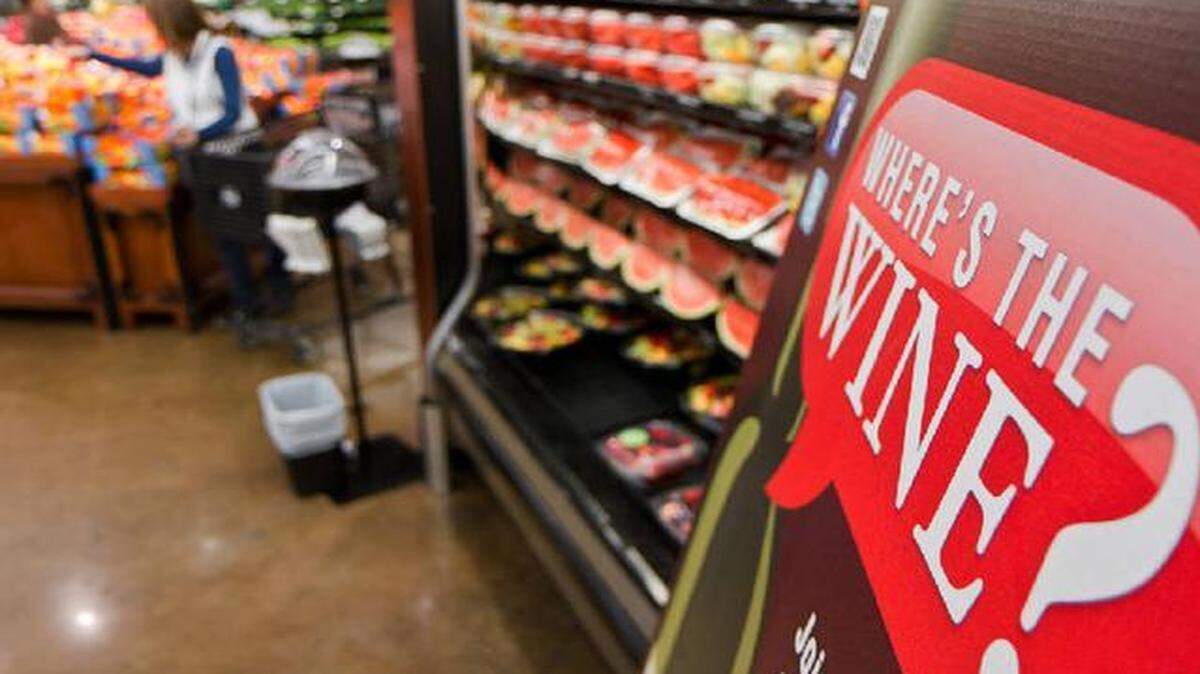
The vast majority of state lawmakers say they oppose government regulations that limit competition and consumer choice. If so, they should support updating the state’s liquor laws.
Kansas is one of only about a dozen states where grocery stores are prohibited from selling wine and spirits. It’s also among only about a half dozen states that limit grocery and convenience stores to selling only 3.2 percent beer and wine coolers, not stronger beer.
Current state liquor laws also impose bizarre restrictions on liquor stores, such as that they can’t sell corkscrews. And if you want to buy a bag of ice, a cash transaction might take place on the sidewalk outside the store, like some kind of drug deal.
Some social conservatives oppose the change out of concern that it might increase alcohol consumption or make it easier for minors to obtain alcohol. But this hasn’t been a serious problem in other states. Grocery stores already sell products that are limited to adults, such as 3.2 beer and cigarettes.
The bigger concern is the potential of putting some mom-and-pop liquor stores out of business. Many of these business owners bought and invested in their stores presuming that the current regulations would continue.
House Bill 2200, which is scheduled for three days of hearings in the House Commerce Committee this week, tries to address this concern by placing a cap on state licenses to sell wine and spirits. The idea is that if a Dillons store, for example, wants to sell wine, it would have to purchase a license from an existing license holder. Because of the expected high demand, these licenses might be worth tens of thousands of dollars – thus helping a liquor store recoup some of its investment.
Such a plan might create other concerns, such as whether the high-priced liquor licenses might be too expensive for some smaller grocery stores. Lawmakers need to evaluate whether the plan needs adjusting or creates more problems than it solves.
Lawmakers should help liquor stores by allowing them to sell other products, such as snacks, cigarettes and ice. Some stores might also attract customers by focusing more on local wines and beers or other specialty products that might not be carried at the big-box chains.
Though lawmakers need to try to be fair to the liquor stores, they also need to care about consumers. Buying wine at a grocery store would be more convenient for many consumers, and the prices might be significantly lower than at a liquor store.
Kansas’ liquor laws likely are a product of its history, which includes Carry Nation, statewide prohibition from 1881 to 1948, a ban on selling liquor by the drink until 1987, and a ban on happy-hour drink specials until 2012. It’s time to take another step out of the past.
For the editorial board, Phillip Brownlee
This story was originally published February 10, 2015 at 6:06 PM with the headline "Update state liquor laws."