
State water plan is essential
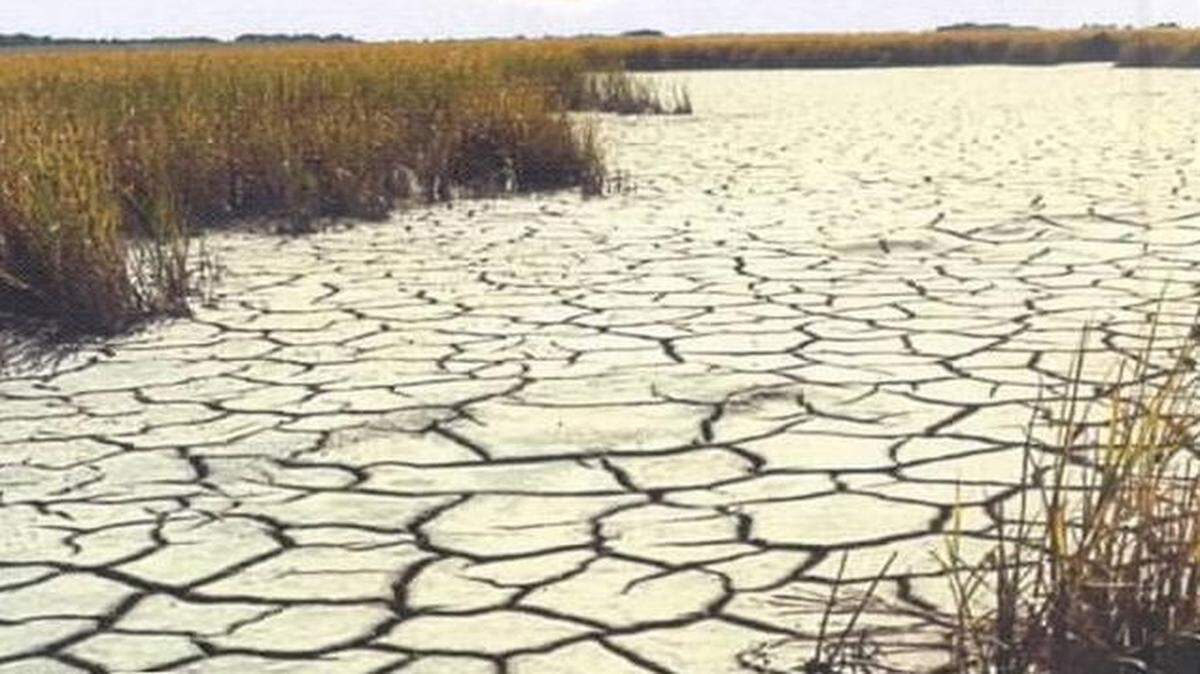
Kansas has much to offer new businesses and residents now and into the future. But if its aquifers and reservoirs dry up, the state might has well board up the borders.
That’s why Gov. Sam Brownback’s push for a 50-year vision plan for water is not just wise but essential for the state, as well as potentially defining for his legacy. It’s also urgent, given that the Ogallala Aquifer, the major source for irrigators in the western third of Kansas, risks 70 percent depletion in a half century if nothing changes.
The product of input from 12,000 citizens and 250 meetings, the second draft of the water plan was released earlier this month at the Governor’s Water Conference in Manhattan with the expectation of being finished in time for the legislative session in January.
Many of its dozens of ideas focus on sustaining the Ogallala Aquifer and on dredging the reservoirs in northeast Kansas. The proposed strategies range from promoting more efficient irrigation technologies and use of less water-intensive crop varieties to emphasizing conservation and rewarding those who implement best practices. There are ideas to increase supply and storage by managing sediment and to evaluate sources and use of lower-quality water.
Separately, there also is revived talk of a costly canal system for moving excess water from the Missouri River to users to the west.
Two immediate action items call for creation of a water resources sub-cabinet within the administration to improve coordination, and of a blue-ribbon task force on how to finance water resource management and protection. Finding the money will be crucial and difficult, given the estimates showing a $279 million state budget shortfall for this fiscal year and a $436 million gap the next.
Meanwhile, the plan’s emphasis on local and regional leadership and flexibility carries a worrisome fiscal responsibility. It’s fine to “encourage communities to maintain and manage local public water supply systems,” as the draft does. But doing so takes money and, at times, tax increases – which can be hard to come by locally, as the city of Wichita just found out in the defeat of its 1-cent sales tax for a long-term water supply and other priorities.
And will the plan’s stated preference for “voluntary, incentive and market-based water conservation and land management activities” be enough to curb the Ogallala’s rapid depletion?
Brownback told the conference that he’d like to see 75 percent of the first-phase actions taken over the next year. “A year from now progress must be evident to maintain credibility with the public,” he said. “We have a responsibility to future generations to make sure that we have taken the necessary actions to maintain a reliable water supply for their use and for our state’s growth.”
The outstanding leadership shown by Brownback’s administration on water is only the beginning. Effective water resource management for the long term will take much more conversation, collaboration, legislation, work and money.
For the editorial board, Rhonda Holman
This story was originally published November 29, 2014 at 6:06 PM with the headline "State water plan is essential."