
Laura Kelly’s earned a second term as governor; Derek Schmidt let us down | Editorial
If we could go back in time and endorse the Derek Schmidt of the early 2000s for governor, we would.
As a state senator and Senate majority leader, Schmidt was a thoughtful conservative with an earned reputation for holding back some of the more extreme elements of the Republican Caucus in the Legislature.
Unfortunately, Schmidt has evolved over time into just another mediocre politician who thinks the key to the castle lies in inflaming hot-button social issues instead of doing his job.
His performance as attorney general hasn’t earned this newspaper’s endorsement, or your vote.
Laura Kelly hasn’t been the perfect governor.
She’s disappointed on occasion, such as the shroud of secrecy over the negotiations bringing a Panasonic plant to the Kansas City area to make batteries for Teslas.
And her eagerness to “work across the aisle” sometimes leads her to appease extremists in the Legislature when she should stand up to them.
But let’s give credit where credit is due:
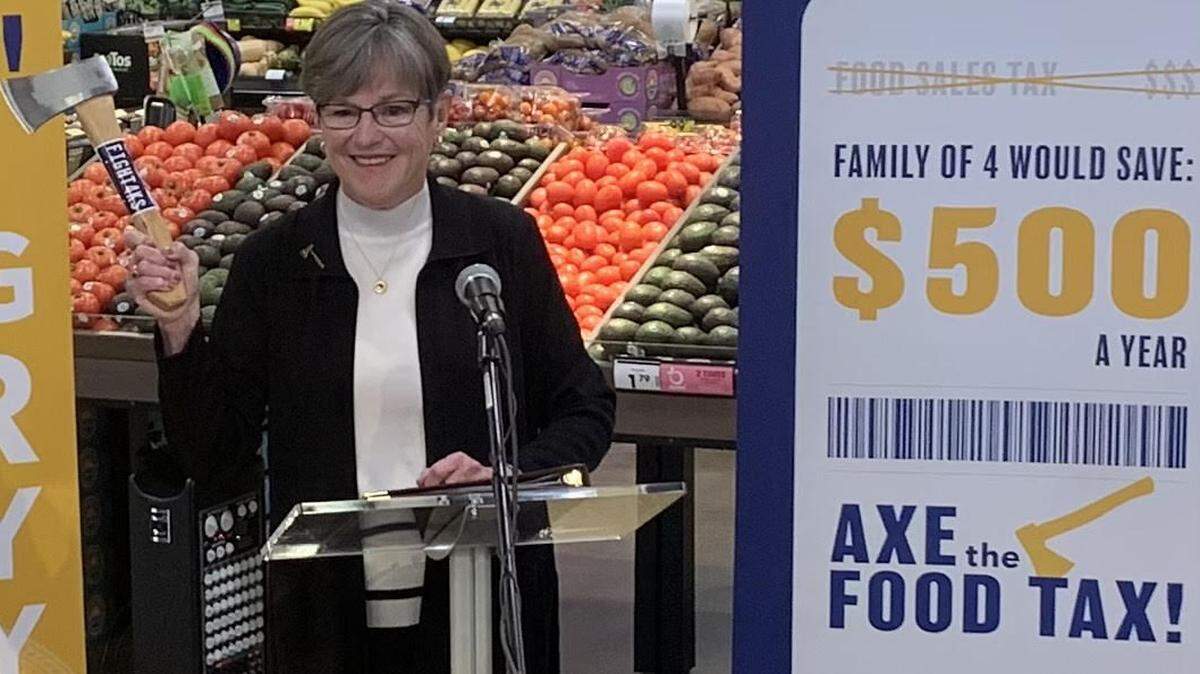
She managed to shame the Legislature into finally taking action to phase out the second-highest-in-the-nation food sales tax, that for far too long has drained our wallets through our grocery bills.
Kelly was also instrumental in bringing Kansas into the 21st Century on sports wagering, which was being widely done online without any state regulation or benefit.
Most of all, Kelly navigated us through the pandemic by following the science. And while anyone can play Monday-morning quarterback like Schmidt does, the decisions Kelly made were about the best that could be made with the information available, when facing a previously unknown disease that was killing Americans in the hundreds of thousands.
She was dealt a bad hand but played it well.
Regardless of what you may have heard elsewhere, Kelly wasn’t the first governor to close schools statewide. That was Republican Gov. Mike DeWine of Ohio — and nearly all governors eventually did. But Kelly was the first to recognize that it would take more than a couple of weeks for COVID to throttle down, giving Kansas schools an invaluable head start on ramping up remote learning.
Test scores are down across Kansas and the country, but Kansas children, their parents and their teachers are mostly alive to catch up to grade levels. Schmidt’s vow to never close schools again is short-sighted at best and pandering to anti-vax COVID deniers at worst.
Meanwhile, Schmidt failed Kansas on two fronts that disqualify him for governor — one thing he did, and one he didn’t do.
The thing he did was join us all to Donald Trump’s bizarre effort to overturn the 2020 presidential election, by backing Texas in a lawsuit challenging Michigan, Pennsylvania, Wisconsin and Georgia election results. To put that in perspective, ask yourself how you’d feel if California tried to dictate its election procedures in Kansas to overthrow your vote.
The thing Schmidt didn’t do: After announcing that he would investigate the obvious price gouging for natural gas that occurred during the Big Freeze of February 2021, he’s made no discernible progress in the last 20 or so months. Meanwhile, depending on which utilities you have, you’ll be paying an extra $5- to $12 a month on your bills for years to come.
Schmidt has one heck of a nerve trying to blame Kelly for global inflation. When he had the chance to fight for economic justice for Kansas consumers, he didn’t. And now he never will.
His big campaign issue is the nearly nonexistent problem of transgender children and girls’ sports. He’s certain to sign a bill Kelly vetoed that would take decisions on who can play out of the hands of sports-governing associations where they belong.
In our view, seeking to enhance one’s popularity on the backs of vulnerable children who are struggling to understand their sexuality is not the act of a governor, it’s the act of a middle-school bully.
Laura Kelly may be a foot and half shorter than Derek Schmidt, but as governor, she’s head and shoulders above him.
BEHIND THE STORY
MOREWho decides the endorsements?
Members of The Wichita Eagle editorial board interview political candidates. The editorial board is separate from The Eagle’s news department. Members of The Eagle editorial board are: opinion editor Dion Lefler, publisher Tony Berg and executive editor Michael Roehrman. Read more by clicking the arrow in the upper right.
What does the endorsement process entail?
The Eagle editorial board meets with political candidates. The interviews are largely focused on public policy, and each lasts about an hour. Board members do additional reporting and research to learn as much as possible about the candidates. The editorial board then convenes to discuss the candidates in each race. Board members seek to reach a consensus on the endorsements, but not every decision is unanimous.
Is the editorial board partisan?
No. In making endorsements, members of the editorial board consider which candidates are well prepared to represent their constituents — not whether they agree with us or belong to a particular political party. We evaluate candidates’ relevant experience, their readiness for office, their knowledge of key issues and their understanding of public policy.
Why are endorsements unsigned?
Endorsements reflect the collective views of The Eagle’s editorial board — not just the opinion of one writer. Board members all discuss and contribute ideas to each endorsement editorial.
This story was originally published October 30, 2022 at 5:10 AM.