
Police cameras needed
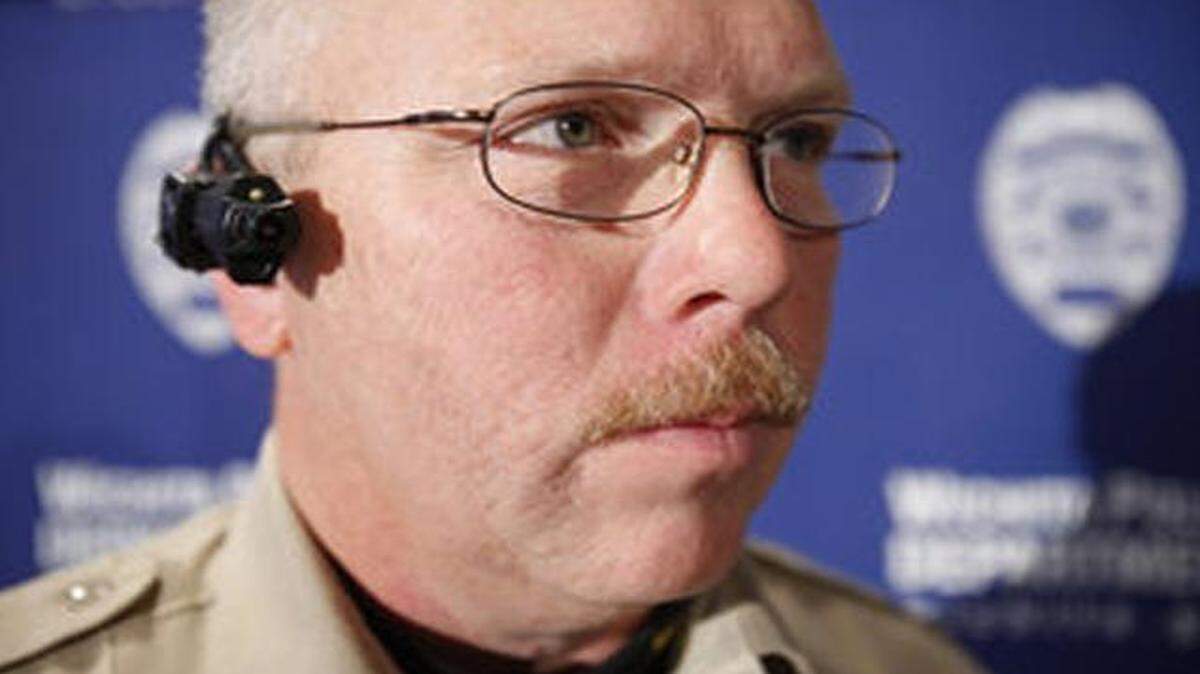
Though Wichita is between police chiefs, city officials have newly committed to equipping all Wichita Police Department street officers with body cameras. That’s a needed step sure to promote public trust as well as citizen and officer safety.
It’s also a welcome shift in priorities at City Hall in favor of equipment that seems like common sense to many citizens in these high-tech times.
The recent shootings of unarmed men by a South Carolina state trooper and a Ferguson, Mo., police officer – one on video, one not – have helped demonstrate the power of a camera to be a credible eyewitness. Without it, either on the officer’s dashboard or body, conflicting accounts of such confrontations can be hard to reconcile. Officers in Ferguson have since begun wearing body cameras, as do those at 1,000 other departments around the country.
The Wichita Police Department has had 48 body cameras spread among the city’s four patrol bureaus and ordered 12 more, but a comprehensive system has been stalled by a lack of will and money.
After the death of Michael Brown in Ferguson in August, though, Wichita Mayor Carl Brewer committed to working with the City Council and City Manager Robert Layton to find the money “to man-up every officer with a camera,” preferably so all 450 or so street officers are wearing them by the end of the year.
Layton said Sept. 26 that he hoped to have a timetable prepared within 30 days, signaling a slower pace. Though some will be impatient, such a project is complicated and will take time and big money – perhaps $1.5 million, as Deputy Chief John Speer recently said.
Not only must the cameras be added to officers’ 20 pounds of gear, but the department must develop a system for cataloging the video.
Surely crime trends around the city can guide the implementation, with certain neighborhoods getting priority until the rollout is complete.
Such cameras do raise tricky issues about civil liberties and privacy, including of victims being interviewed. But it’s telling that voices of support have come from community activists, the police union and U.S. Attorney Barry Grissom.
Attitudes have been changing, as the use of cameras by law enforcement has served accountability and transparency and even deterred costly lawsuits. As Grissom suggested at an August civil rights symposium, avoiding the costs of one excessive-force case against the city would probably pay for the equipment.
And as Paul Zamorano, president of the local Fraternal Order of Police, told The Eagle, there is an “expectation that police body cameras would improve both police and citizen behaviors.”
They also promise to improve police and citizen relations, which have suffered in the wake of a series of police shootings.
At the emotional August forum at which the mayor set his goal, one speaker said, “No justice, no peace. It’s really as simple as that.” More body cameras could help with both.
For the editorial board, Rhonda Holman
This story was originally published October 4, 2014 at 7:06 PM with the headline "Police cameras needed."