
Why are Kansas lawmakers being sneaky with anti-abortion amendment? | Editorial
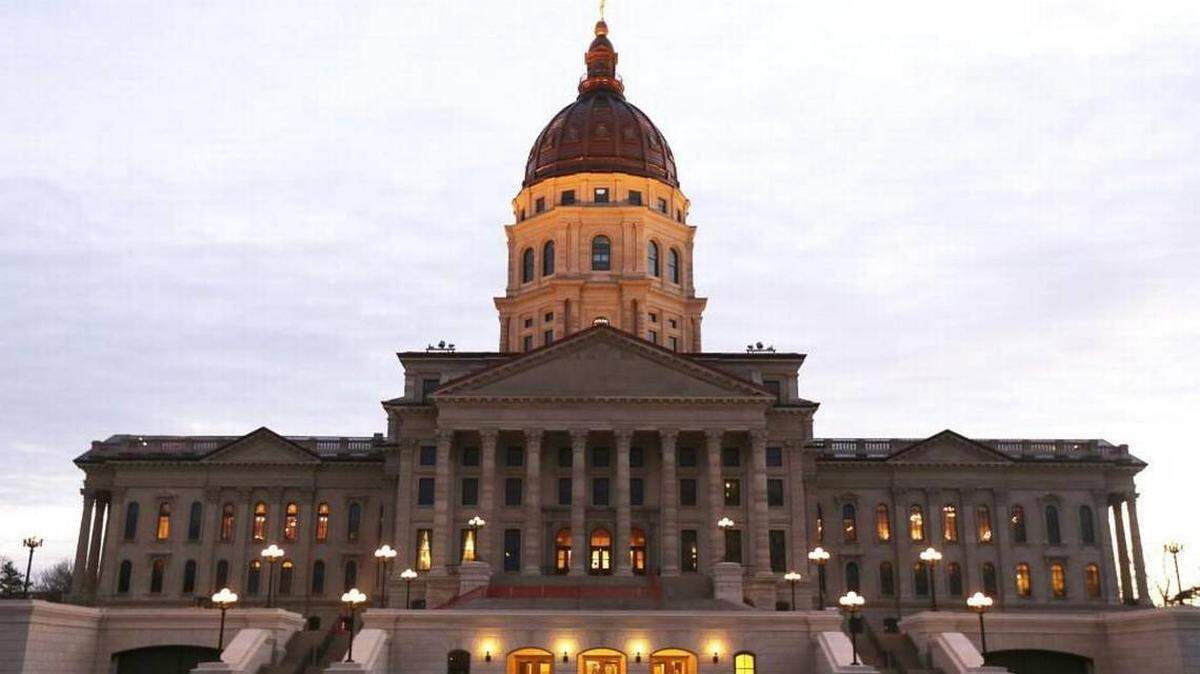
Changing our state’s founding document is no minor bit of business.
The Kansas Constitution spells out that any amendment must be approved by a two-thirds majority of Kansas legislators and then put before the electors — meaning Kansas voters.
Founders made the process challenging and time-consuming because they recognized that changes should be rare and should reflect the will of the people. That’s why the Kansas Constitution — adopted 160 years ago this week — has been altered less than a dozen times over the past quarter-century.
Constitutional amendments are a big deal.
Why, then, are a majority of Kansas lawmakers pushing to put a controversial anti-abortion amendment on a primary rather than a general-election ballot?
It’s pretty obvious: The more partisan the turnout, the greater chance their measure will pass.
History has shown that people who vote in primaries are highly motivated members of political parties.
At last count, though, nearly 30% of registered voters in Kansas are unaffiliated. They don’t identify with either established political party, and they’re not allowed to vote in primaries.
At the same time, surveys have shown that contrary to political stereotypes, most Kansans are mixed on the abortion issue, and there’s a whole lot of middle ground.
A 2016 Kansas Speaks survey showed that 26% of Kansans opposed abortion “in all situations” and 29% said “abortion should be permitted for any woman who chooses it.” Among the remaining 45% who were mixed on abortion, vast majorities supported allowing abortions when the mother’s life is in danger, in instances of rape or incest, and when there is evidence a fetus will have serious health problems.
To accurately gauge the vast spectrum of Kansas opinion — on abortion or any other issue — lawmakers should seek the widest possible swath of voters: a statewide general election.
If anti-abortion conservatives think a general election would doom their cause, they should remember 2005, when 70% of voters in an April general election approved a constitutional amendment that banned gay marriage. (The amendment was nullified a decade later, when the U.S. Supreme Court ruled that same-sex marriage is legal nationwide.)
Now a majority of Kansas lawmakers, frustrated that their anti-abortion measure fell short last year, have redoubled their efforts for a constitutional amendment. They’re citing a desire to follow the will of the people rather than the state Supreme Court, which ruled that the Kansas Constitution protects a woman’s right to abortion.
But here’s the thing: The best gauge of the people’s will doesn’t happen in primaries or odd-year special elections. It happens during general elections, when the largest number of voters — including unaffiliated ones — are most likely to go to the polls.
Pushing to have the “Value Them Both” amendment on the August 2022 primary ballot is a political strategy aimed at leveraging Republicans’ conservative base, not appraising the overall will of Kansas voters.
If lawmakers want to know whether most Kansans support the amendment, they should ask them during a general election — the way the vast majority of previous amendments have been decided.
The time difference is minimal. If legislators are willing to wait until August 2022, why not wait three more months and add it to the general-election ballot?
No matter what your opinion of abortion rights and regulations, it’s the right thing to do.