
Views on pot changing
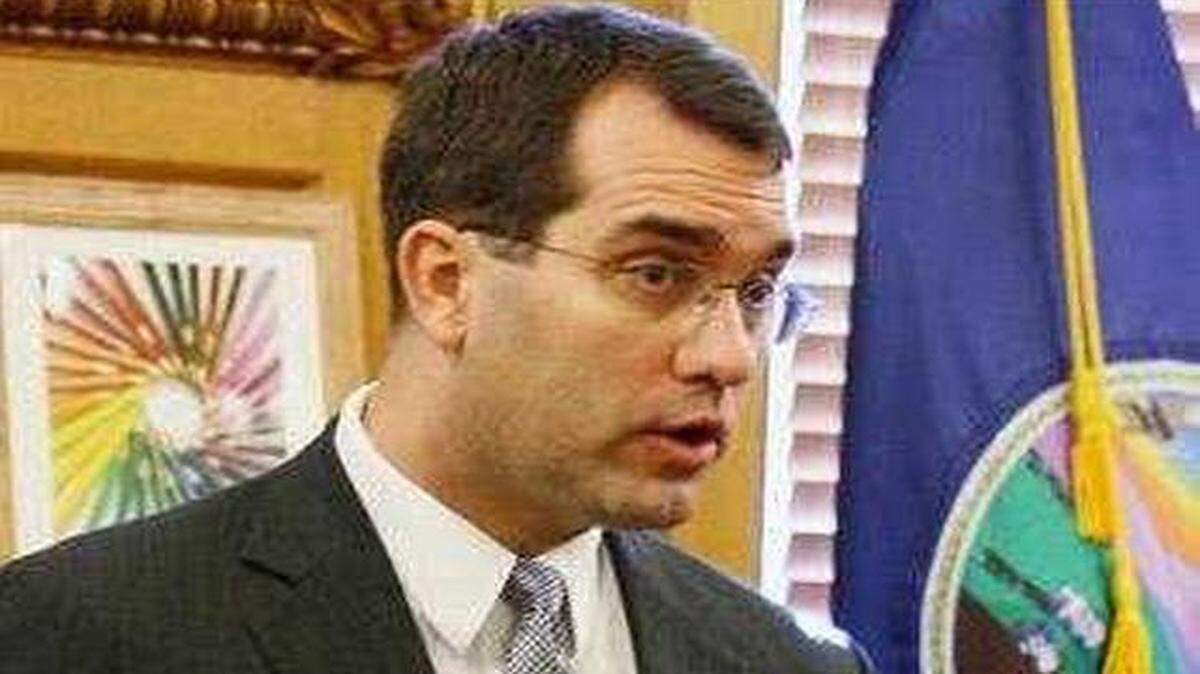
Attorney General Derek Schmidt shouldn’t burn up a lot of tax dollars in his zeal to overturn the will of Wichita’s voters on marijuana. Nor should he and other state leaders miss the message of last week’s election: that thinking on pot is changing, even in conservative Kansas.
Schmidt asked the Kansas Supreme Court to declare the ordinance null and void in a filing Thursday, two days after it was approved by 54 percent of Wichita voters. Yes, as he emphasized, it conflicts with state law in several ways, including that it would reduce the penalty for first-time marijuana possession to a $50 fine for adults over 21 and consider a violation to be a minor infraction. Under state law, possession of marijuana and drug paraphernalia are Class A misdemeanors punishable by a fine of up to $2,500 and up to one year in jail.
But as many as 79 percent of voters in some central Wichita precincts favored the ordinance. Opinion polling has detected a shift as well, with support for legalizing medicinal use of marijuana in Kansas ranging from 59 to 70 percent in recent years.
The state is due a serious legislative debate – not just hearings for show – on issues related to medicinal marijuana and reduced criminalization and incarceration of low-level drug users.
The Wichita City Council had hoped to avoid spending tax dollars on a legal fight when it voted 6-1 in January to put the question on the April 7 ballot.
Instead, the ordinance’s passage now has led not only to the attorney general’s request for a “quick, authoritative and final resolution in the Supreme Court” but to the city’s own lawsuit in Sedgwick County District Court, which is aimed at testing the initiative’s legality.
Especially with the state’s top legal official gunning for the ordinance, its prospects seem doubtful. Perhaps, as noted by Scott Poor, attorney for Marijuana Reform Initiative-ICT, a court could strike down parts of the ordinance while letting others stand.
Wichitans have to hope this is resolved quickly, and without costly legal bills.
While it waits, Wichita can only wonder why the state hasn’t fought a 2006 ordinance in Lawrence that included a relaxed fine for marijuana possession of $200. Then there’s the question of when state legislators will update state law so cities know what to do when a local petition drive pushes for an ordinance at odds with state law.
But especially with the state lacking both revenue and the political will to add prison beds, the key question is when lawmakers will start being open to reforms that would walk back the costly, life-wasting war on drugs statewide.
For the editorial board, Rhonda Holman
This story was originally published April 13, 2015 at 7:07 PM with the headline "Views on pot changing."