
Curb quakes in Kansas
The small earthquakes rattling south-central Kansas are becoming routine. But that doesn’t mean they will stay small, nor that officials should shrug them off.
So it’s been reassuring as well as surprising to see more official action in recent days aimed at better monitoring and perhaps curbing quakes in Kansas. The steps are appropriate, given that Kansas experienced 30 recorded earthquakes from 1981 through 2010 and then saw 127 in 2014, and has had more than 50 already in 2015.
Most decisively, the Kansas Corporation Commission last week issued an order intended to reduce by up to 60 percent the volume of waste saltwater injected into underground disposal wells in five “areas of seismic concern” in Harper and Sumner counties. The KCC also intends to issue no permits for new large-volume injection wells near existing large wells in those two counties.
The language of the order suggests urgency as it spells out a correlation between the saltwater injection and the earthquakes, indicating the “commission finds increased seismic activity constitutes an immediate danger to the public health, safety and welfare” and that “damage may result if immediate action is not taken.”
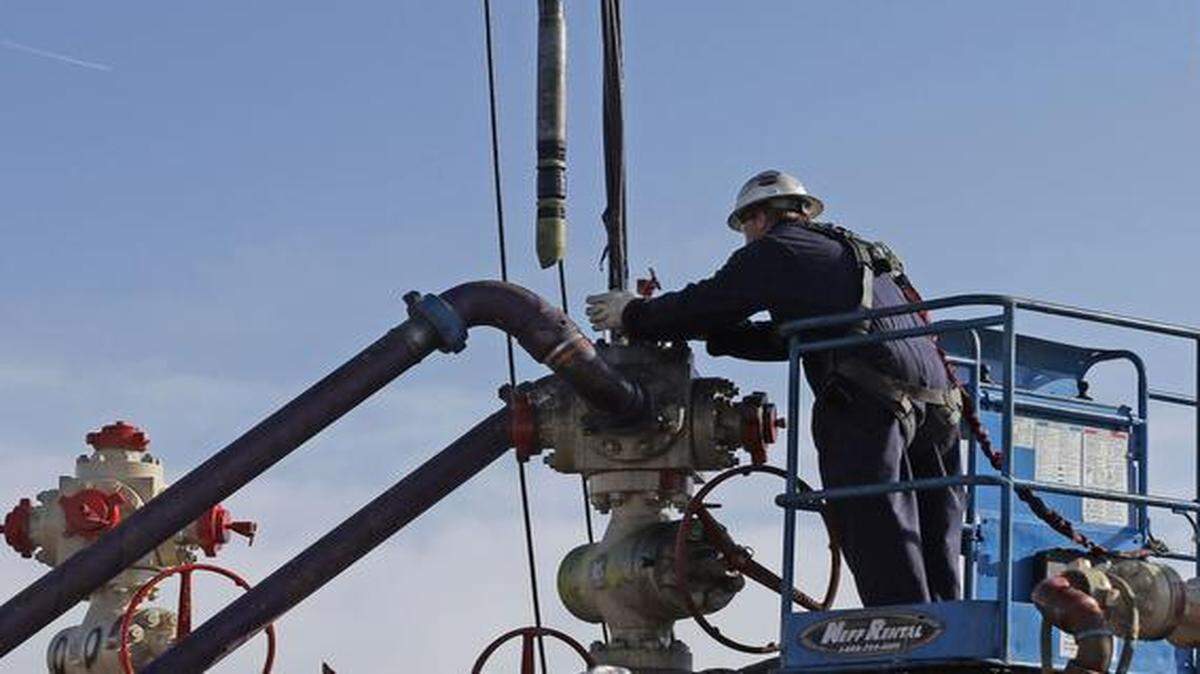
Authorities have been very careful not to link the earthquakes directly to greatly increased oil and gas production in south-central Kansas and parts of Oklahoma, while acknowledging that underground disposal of the salty, oily water that stems from horizontal drilling or “fracking” could be involved.
Also, the two-year budget bill newly approved by the Senate Ways and Means Committee includes $100,000 for each of the next two years for enhanced seismic monitoring – money that had been in doubt in earlier work on the budget. The governor’s task force on the seismic activity had called for permanent monitoring stations around the state as well as a network of temporary monitors, which are mostly in south-central Kansas.
The money “would allow us particularly to deal with some of the staffing costs and some of the telemetry costs with these (permanent) stations,” Rex Buchanan, interim director of the Kansas Geological Survey, told The Eagle editorial board Monday.
That funding should remain a priority as the budget negotiations proceed through May’s wrap-up session.
At the federal level, the Obama administration also just imposed new regulatory rules for fracking on federal and tribal lands, including requiring disclosure of chemicals and covered storage of waste.
Many questions remain for Kansans about what, if anything, can be done to respond to the earthquakes without unduly impeding oil and gas drilling. But it’s encouraging to see officials acting as they can.
For the editorial board, Rhonda Holman
This story was originally published March 23, 2015 at 7:06 PM with the headline "Curb quakes in Kansas."