
KanCare expansion is critical
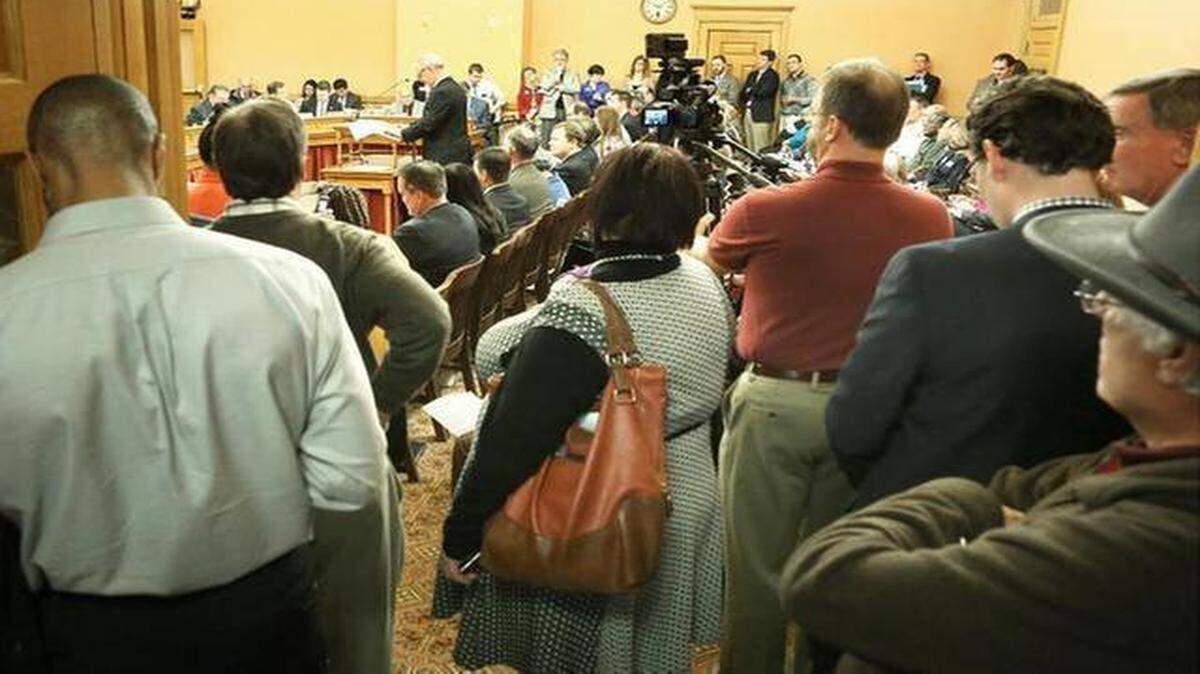
The Kansas House had a chance last week to show it represents the people, as it finally held committee hearings on whether to newly insure 150,000 Kansans and bring badly needed dollars to Kansas hospitals by expanding KanCare, the state’s privatized Medicaid system.
But the compelling testimony at the packed hearings was as far as it went.
The scheduled meetings of the House Health and Human Services Committee, chaired by Rep. Dan Hawkins, R-Wichita, are over for the session, which puts KanCare expansion in limbo at best.
It would take some other maneuver, and likely leadership by Gov. Sam Brownback or Senate President Susan Wagle, R-Wichita, to overcome last week’s lost opportunity and make KanCare expansion a priority before the legislative session adjourns.
After the hearings, surely the governor and legislative leaders can see the time has come for a full debate and vote in both chambers on whether to raise Medicaid eligibility to 138 percent of the poverty line, or less than $33,000 in annual income for a family of four. Under the Affordable Care Act, the federal government would pay 100 percent of the expansion costs through 2016 and no less than 90 percent through 2020.
As it is, Kansas hospitals are struggling to cope – and stay open, in some cases – after losing federal reimbursement dollars because of the ACA.
More than 150 doctors, hospital and clinic administrators, business and faith leaders and other individuals provided testimony Wednesday in favor of expansion.
It was an overwhelming show of support – in sharp contrast to the thin opposition organized by Americans for Prosperity, which vowed to “hold accountable any legislator who supports this misguided scheme.”
But the most influential testimony may have been by Robert Moser, who until December was the secretary of the Kansas Department of Health and Environment and was one of the architects of KanCare.
Moser, a physician who now heads a heart attack and stroke unit at the University of Kansas Hospital, spoke both of the financial benefits to hospitals of expanding KanCare and the medical benefits to the working poor.
“Expansion is critical for Kansas,” Moser said. “Our providers need it. Our people need it.”
Given his potent remarks, it was especially disappointing to see his successor, acting KDHE Secretary Susan Mosier, give officially “neutral” testimony on Thursday that painted an unduly grim picture of the potential price of expansion by inexplicably including the cost of taking disabled Medicaid beneficiaries off the waiting lists for in-home support services. Serving Kansans with disabilities and eliminating the waiting lists, though the morally right thing to do, should be a separate priority for the state, not a reason to refuse coverage to uninsured Kansans and needed dollars to hospitals.
Last week’s failure to act, especially in the face of such emotional testimony in favor of action, furthers the impression that lawmakers are less interested in the tremendous good that expansion can do than they are worried about crossing the few conservative groups that increasingly seem to call the shots in Topeka.
What will lawmakers heed: the threats of AFP or the pleas of doctors, hospitals and the working poor?
For the editorial board, Rhonda Holman
This story was originally published March 21, 2015 at 7:06 PM with the headline "KanCare expansion is critical."