
Follow scientific process on threatened wildlife
Under threat of legislative intervention, and against the recommendation of species and habitat experts, the Kansas Wildlife, Parks and Tourism Commission voted last fall to remove the redbelly snake from the state’s threatened-species list.
That only opened the door to more legislative meddling in what should be science-based decision making.
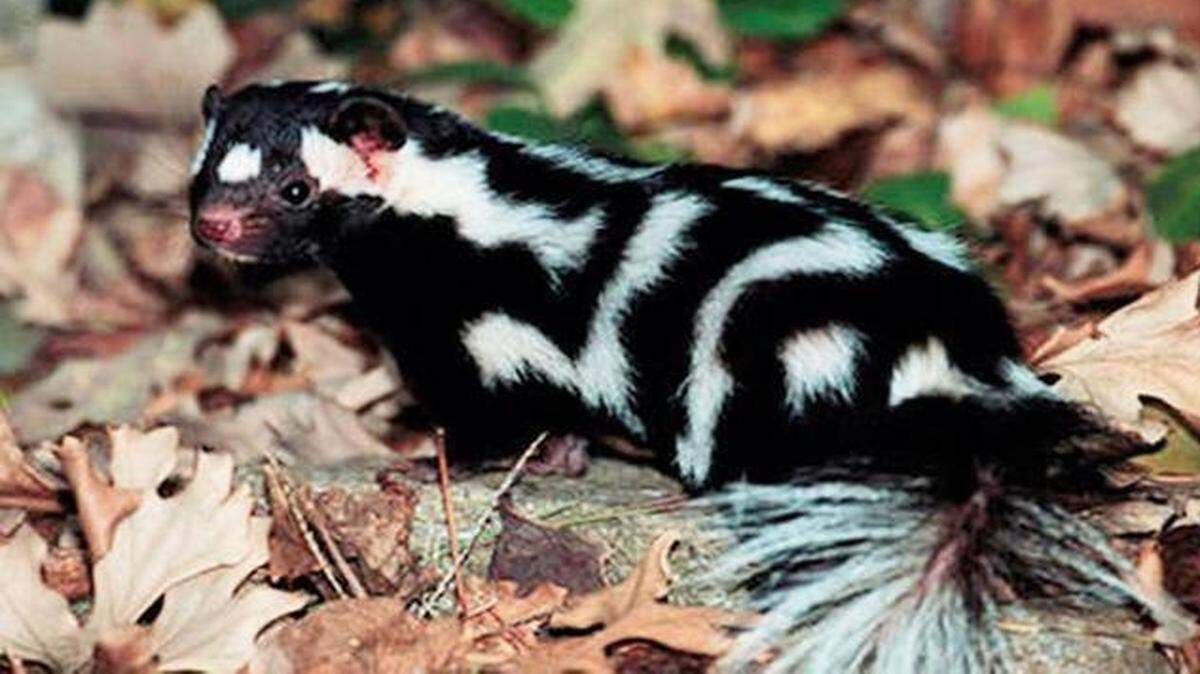
Sure enough, Sedgwick County is now pushing for lawmakers to delist the spotted skunk – not because it has evidence that the skunks are plentiful but “to decrease our regulatory burden,” as County Commission Chairman Richard Ranzau put it.
This is no way to manage wildlife, at least not responsibly.
Like the redbelly snake in the Kansas City area, the elusive spotted skunk has been a costly complication for development and construction projects, necessitating permits, inspections and, sometimes, efforts to create habitat areas.
But the proper forum for petitioning to have a species delisted is not the Legislature but through the Kansas Department of Wildlife, Parks and Tourism and the state’s Endangered Species Task Committee, which use a scientific process involving “sighting data, literature searches, expert input, informational meetings, public comment periods” and the KDWPT Commission, as Wildlife, Parks and Tourism Secretary Robin Jennison testified Thursday to a Senate committee.
Ranzau was the only speaker favoring the bill, which drew opposition from six wildlife groups in addition to KDWPT.
If the KDWPT Commission unwisely invited Senate Bill 269 and others by delisting the redbelly snake, lawmakers should not compound the error by delisting the spotted skunk themselves.
For the editorial board, Rhonda Holman
This story was originally published March 12, 2015 at 7:07 PM with the headline "Follow scientific process on threatened wildlife."