
Roger Marshall: We must protect Kansas from the dangers of addictive 7-OH | Opinion
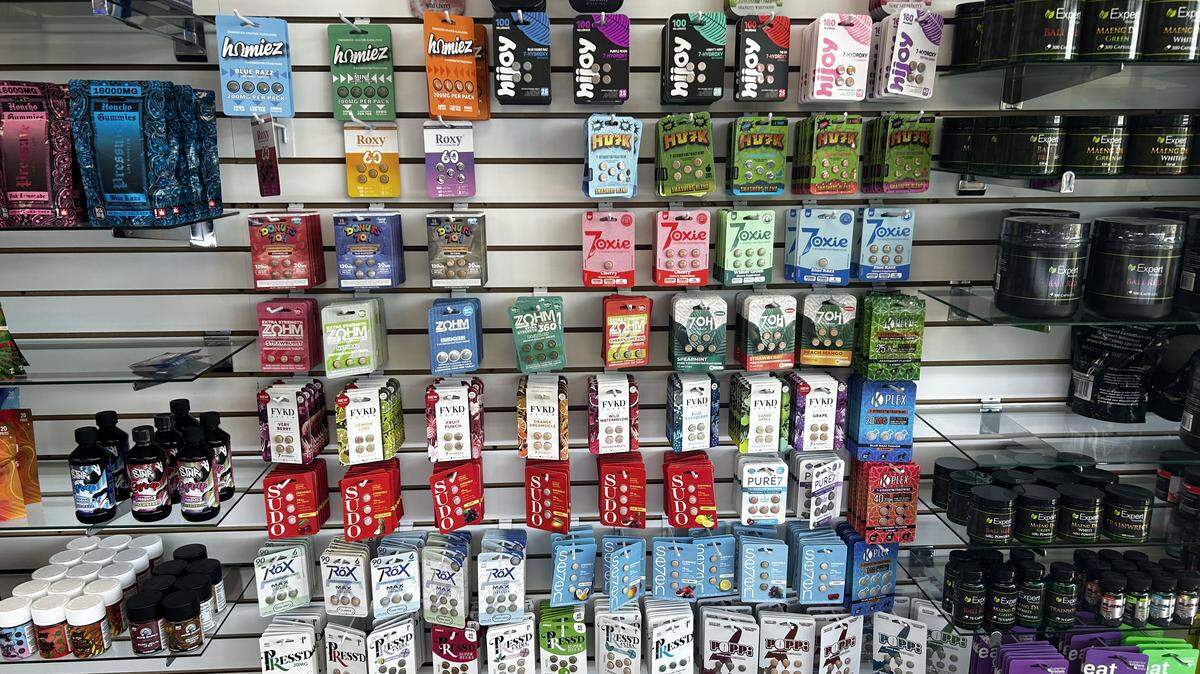
As a physician, I’ve learned that the worst public health crises are often the ones hiding in plain sight. The warning signs appear long before the headlines do. That’s exactly what we’re seeing today with 7-hydroxymitragynine or 7-OH — a powerful synthetic opioid being sold openly in gas stations and convenience stores across Kansas.
Gas stations, smoke shops and CBD stores push it on children and teens as a candy or energy drink, or they market it as a wellness product, packaged to look harmless. It’s available in places where teenagers can easily purchase it. But make no mistake: This is not a supplement, vitamin or natural health product. It is a potent opioid substance that can be significantly more powerful than morphine. That’s why law enforcement and public health experts have started calling it what it is: gas station heroin.
That’s why I’ve spent the last year sounding the alarm and pushing federal agencies to act before this becomes the next addiction crisis.
In June 2025, I wrote then-U.S. Food and Drug Administration Commissioner Marty Makary urging a full safety review and stronger federal action against these products. At our urging, the FDA soon recommended that the Drug Enforcement Administration move forward with classifying them as Schedule I substances.
In October, I visited Lenexa’s Clinical Reference Laboratory alongside representatives from the Midwest High Intensity Drug Trafficking Area program to see the scope of the problem firsthand. What I found was alarming: These products were being sold openly across Kansas. Later that month, I called on DEA Administrator Terrance Cole immediately to schedule 7-OH and similar substances, and prevent manufacturers from simply creating new versions to dodge enforcement.
Then late last year, federal authorities seized more than 73,000 illegal 7-OH products from warehouses in Kansas City. That seizure confirmed exactly what we’d been warning about for months.
Then in January 2026, I again pressed the DEA to act, making clear that every day without scheduling creates additional risk for Kansas families.
This work reflects exactly what the Make America Healthy Again movement means. I founded the Senate MAHA Caucus because Americans deserve transparency, accountability and honest information about the products they consume. Whether we’re talking about food transparency, chronic disease prevention or consumer protection, the principle is the same: We must address emerging threats before they become full-blown crises.
Just as we led the fight across Kansas to recognize the dangers of fentanyl, we must act now on 7-OH. The FDA has made its recommendation. Law enforcement has already taken action. The DEA has the authority and evidence to move forward. Companies will continue exploiting loopholes unless those loopholes are closed.
I took an oath to protect my patients. As a United States senator, I carry that same responsibility for Kansas families every day. This is about prevention, not politics. The lesson of the opioid epidemic is that when warning signs appear, we must act.
I saw those warning signs with 7-OH, and I won’t stop fighting until these dangerous products are off our shelves for good.
Roger Marshall represents Kansas in the U.S. Senate.
This story was originally published June 13, 2026 at 5:05 AM with the headline "Roger Marshall: We must protect Kansas from the dangers of addictive 7-OH | Opinion."