
Are data centers the issue that finally unites Kansas left and right? | Opinion
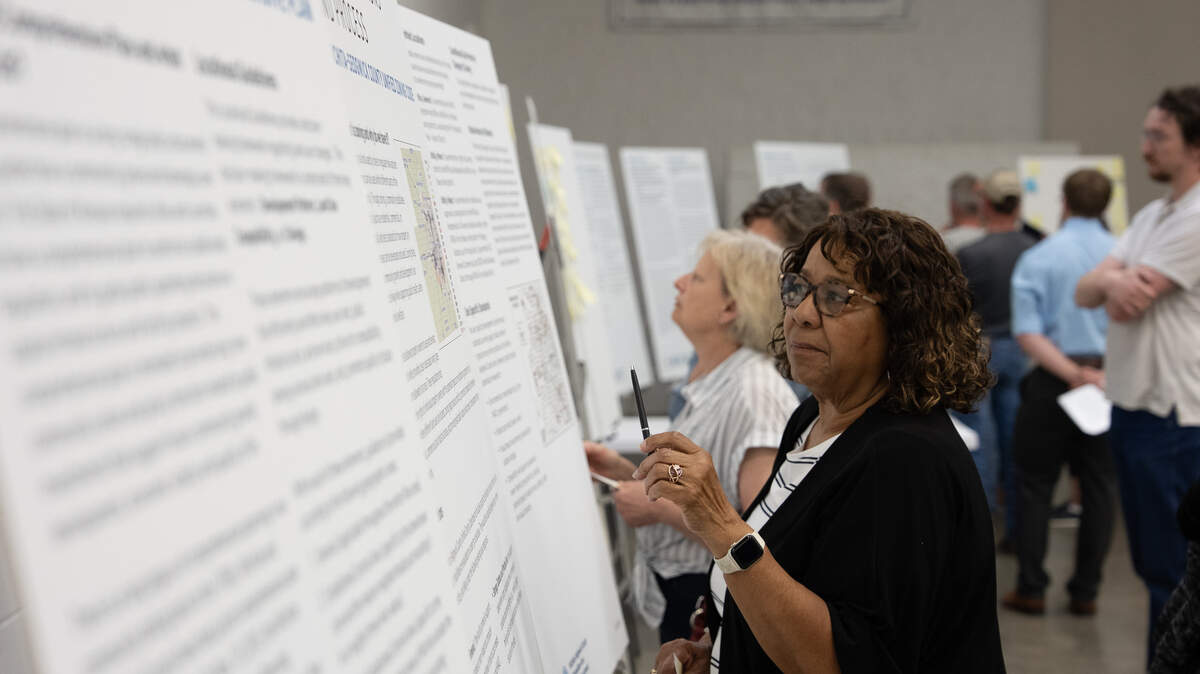
Have anti-establishment activists left and right finally found a common cause?
In Sedgwick, Sumner and Butler counties, from Spring Hill to the Flint Hills, from Tonganoxie to Finney County, data center proposals provoke strong, public opposition.
After pushback, the proposal in Spring Hill was withdrawn. In the Kansas City metro area, two Independence, Mo., city officials who approved tax breaks for a data center were subsequently voted out of office.
Several states (but not Kansas) are considering new regulations or even moratoriums on new data centers.
Politically, this issue unites two groups that normally despise one another: the anti-establishment left and anti-establishment right.
The rapid growth of data center construction accommodates the proliferation of artificial intelligence.
Far more than just large-language models like ChatGPT, Claude, and Co-pilot, AI boosters promise to revolutionize daily work, advance medicine, enhance competitiveness, and of course make a fortune for investors.
Critics say data centers use massive amounts of water, which evaporates when used for cooling. They also hog electricity — larger centers require their own onsite power plants, nuclear reactors, or huge solar arrays just to power them.
The amount of land used is also astonishing — one proposal in Utah would be twice the size of New York City’s Manhattan Island — all for a water-intensive project in the desert.
Skeptics also add that most jobs connected to data centers are in constructing them, disappearing afterward, though a few employees will be needed for security, troubleshooting, and so forth.
Defenders push back with references to technological progress, economic growth, and the need to compete with other countries (particularly China).
They also have a few more novel arguments. For example, in western Kansas, it is irrigated farmland, not technology, that consumes most of High Plains Aquifer’s precious and dwindling water supply.
The would-be developer of the Finney County data center, Triple Oak, claims that converting farmland to a data center will slash the site’s water use by 80%. They say the center can be air cooled, except in the hottest months.
Critics do not believe that the industry is telling the truth, and they suspect the politicians approving the projects of being on the take.
After all, many local governments seeking the projects enter agreements that make it difficult or impossible to hold data center developers accountable if they break their word.
Before now, opposition to other large-scale, land-hungry projects has fallen along the usual left-right division of today’s politics.
For example, conservatives tend to oppose wind turbines and large-scale solar farms, while liberals support them. On the other side, liberals tend to oppose coal-fired electrical plants and oil pipelines, which conservatives support.
But the data center backlash cuts across these lines.
Conservatives argue against the repurposing of farm and ranchland to serve out-of-state interests.
They distrust big tech companies, with their nontraditional values and highly profitable, highly addictive content.
Meanwhile, liberals sound the alarm about billionaires profiting at others’ expense. They deplore the profit motive outstripping the public good, worry over the mental health and jobs impact of expanding technology, and are deeply concerned about its impact on nature and the environment.
Still growing, this cross-cutting backlash may do far more than just limiting, regulating, or stopping data centers.
Who knows? It just may reshape our entire political landscape.
— Michael A. Smith is a professor of political science at the University of Kansas, and is currently serving as a volunteer campaign manager assisting a candidate for Kansas Legislature who favors a pause on new data centers.
This story was originally published June 13, 2026 at 5:22 AM with the headline "Are data centers the issue that finally unites Kansas left and right? | Opinion."