
I’d love to see the Chiefs in Kansas — just not this billionaire giveaway | Opinion
I love the Kansas City Chiefs. Always have, always will. But I think elected officials should tell it like it is: The new stadium plan is a raw deal for Kansans. At a time when our leaders should be laser focused on lowering costs for Kansans, instead they are delivering a massive giveaway to billionaires and asking us to foot the bill. Like the failed Sam Brownback tax experiment before it, the stadium deal makes big promises of nebulous economic growth, but risks blowing open our state budget.
Deal proponents are quick to say that this won’t create any new taxes on Kansas, but that’s a bit misleading. The deal redirects all new state sales tax revenue from a large region of the state for 30 years to pay for the stadium. That’s nearly $2.8 billion by the state’s estimates, though independent analyses have said it could be as high as $6.3 billion. And while it’s not a new tax, Kansas will lose out on any increase in sales tax revenue that we would have seen in the STAR bond district. That’s billions of dollars not going to our schools, our roads or our safety.
As Kansas City, Overland Park and Olathe grow over the next 30 years, state revenue won’t keep pace with that growth. Siphoning away the funds would put pressure on our schools, our police officers and the state budget. And to make matters worse, the stadium would all but certainly be exempt from property taxes. If we’re going to give anyone property tax relief, it should be working families, not billionaires.
As it turns out, Kansas isn’t the first state that’s been asked to pay for a stadium by billionaire owners. We can look at and learn from what’s happened in other places. The pattern is clear: Consultants promise massive economic growth from the new project and swear up and down that it’ll generate enough revenue to justify the costs.
But stadiums routinely don’t make back their costs. Even with up to nine regular season home games, pre- and post-season games and the occasional concert or event, stadiums rarely operate at the scale needed to justify their massive costs. The average NFL stadium has about as many annual customers as a midsize grocery store, at 100 times the cost. Economists from the left, right and center all agree that stadiums simply don’t generate enough economic activity to warrant taxpayers footing the bill.
Missouri voters said no to stadium deal
So who benefits from this deal? The owners of the Chiefs, a family worth $24.8 billion, won’t have to pay for the new stadium. Yes, they’ll pay rent to the state, but even that is siphoned off into a dedicated fund to pay for stadium repairs.
And who suffers? Anyone who wants Kansas to have strong schools for our kids, well-funded police and safety programs. Because that’s what our sales tax revenue usually pays for, until it is redirected towards the billionaires who own the Chiefs.
So given all that, it’s no wonder that the deal’s proponents have been so secretive and vague with lawmakers and the public about the finer details. Lawmakers are being asked to support legislation we haven’t even seen on paper yet. Kansans deserve more transparency for a deal that redirects our hard-earned tax dollars.
When Missouri faced a similar choice, it gave the state’s residents full information and a chance to vote on a referendum. It was soundly defeated at the polls. In this same newspaper, Missouri’s state auditor spelled out exactly why the deal was bad and thanked Kansas politicians for taking it off his hands.
More than anything else, the stadium deal reminds me of the disastrous Brownback tax experiment. Gov. Brownback had study after study promising sweeping cuts would pay for themselves and create enough economic activity to fill the budget deficit. Well, all the studies in the world didn’t amount to jack when they almost bankrupted the state and forced drastic cuts to our schools and other services.
Kansans would do well to remember those hard-earned lessons. When we hear promises about economic growth that sound too good to be true, they probably are. And the most likely outcome is that we see minimal economic growth and end up having to raise new taxes or make new cuts to fill the gaps. As the cost of living crisis further stresses hardworking Kansans, that’s not good enough.
I wish the deal made sense for Kansas — I’d love nothing more than to bring the Chiefs across the river. But not if this is the way. We need leaders who are fighting for what’s best for Kansans, not giveaways for billionaires. It’s why I’m running for governor: because you deserve a chance to thrive — not to be left holding the bag.
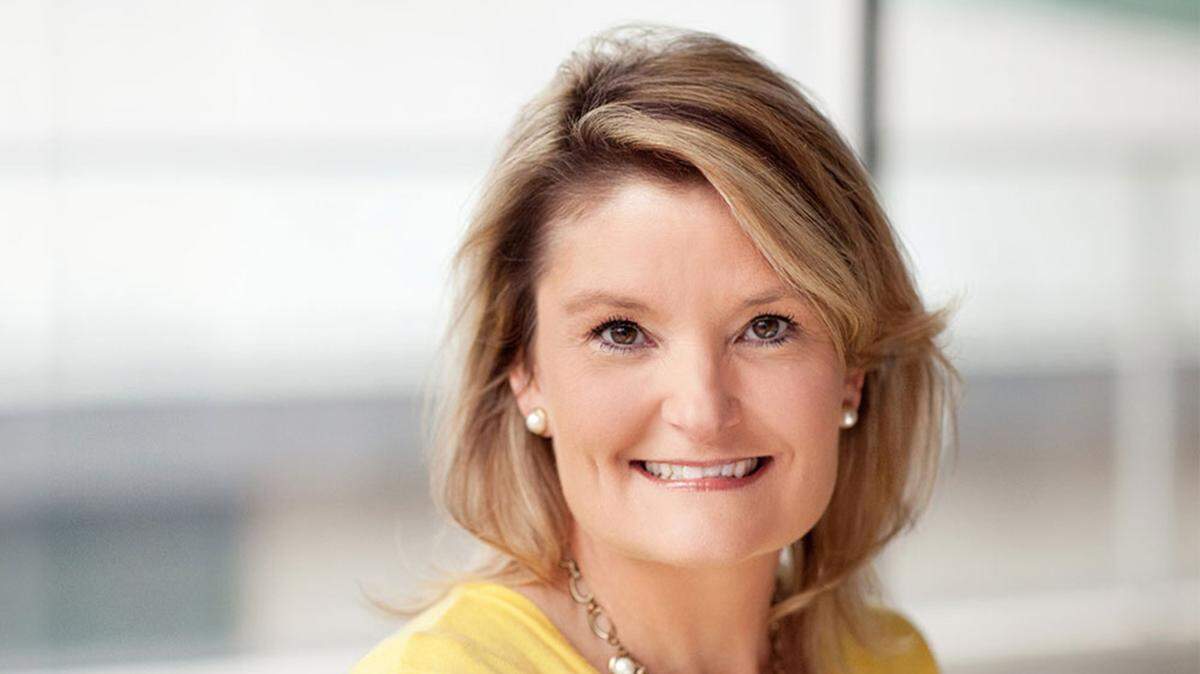
Cindy Holscher represents District 8 in the Kansas Senate. She is a Democratic candidate for governor.
This story was originally published March 1, 2026 at 5:05 AM with the headline "I’d love to see the Chiefs in Kansas — just not this billionaire giveaway | Opinion."