
WSU cancer scientist has to pay out of own pocket to continue research | Opinion
If my research is successful, we will better understand how some cancers spread throughout the body — and, hopefully, be able to stop them.
If my research is successful, we will better understand how some people get heart disease — and, hopefully, be able to prevent it.
I am one of many scientists throughout the United States conducting medical research aimed at treating or even curing some of our most stubborn diseases and helping people live longer, healthier lives.
But we can’t do our work without the financial support of the federal government.
My research, like that of most scientists who conduct medical studies, largely depends on grants from the National Institutes of Health.
Congress appropriates money to the NIH each year, which has made it the world’s largest funder of biomedical research.
Now, some of that money is at risk.
Unless the federal government continues to robustly support medical research, scientists like me will not have the resources necessary to find new cures and treatments for diseases like Parkinson’s, Alzheimer’s, diabetes and, yes, cancer and heart disease, among others.
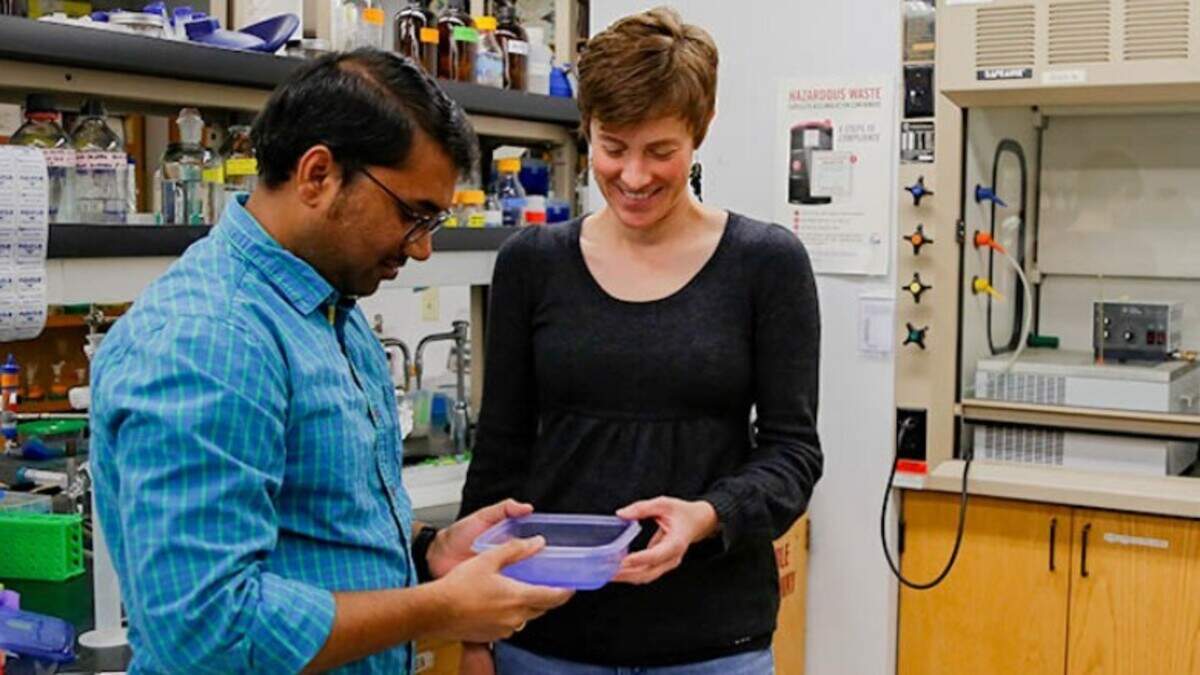
In my lab at Wichita State University, I oversee research on palladin, a protein associated with metastatic breast and pancreatic cancers.
Unfortunately, we can’t just eliminate palladin, because it’s also necessary for the development of embryos and for healing wounds.
Instead, we are studying how palladin functions so that, ultimately, scientists can develop drugs that will target specific functions that enable tumors to metastasize without affecting the parts that are necessary for normal human development and healing.
I also direct research on myopalladin, a protein related to palladin that is found in heart and skeletal muscles.
Dozens of myopalladin mutations have been discovered in people with cardiomyopathy, a form of heart disease in which heart muscles fail to properly pump blood.
If we can figure out how those mutations affect myopalladin, we can work on treatments for a disease that too often leads to heart failure or death.
This is complicated, but important, stuff, and it will take many scientists like me to crack the code. I couldn’t do my work without the help of students at all levels, from undergraduates to postdoctoral researchers.
Supporting my students also requires NIH grants.
Two of the main grants that supported my research have recently ended, and I requested that one of them be renewed last summer.
But the review process has slowed. So to ensure that one of my graduate students could continue working in the lab, I shifted my summer salary to pay him.
This is not a sustainable model.
Meanwhile, many undergraduate and graduate students are reconsidering whether to pursue careers in medical research because, simply put, they don’t know if the money will be there to support them in the long term.
Losing these future scientists would affect America’s ability to break new ground in medical research for years to come.
Currently, the U.S. is the global leader in medical discovery and innovation.
If we hope to continue finding treatments and cures that improve the quality and length of people’s lives, we have to maintain our commitment to medical research.
— Moriah Beck is the Talaty Endowed Professor in the Department of Chemistry and Biochemistry at Wichita State University.
This story was originally published February 10, 2026 at 1:29 PM.