
Ida B. Wells: Patriot who redefined American liberty should be remembered on July 4 | Opinion
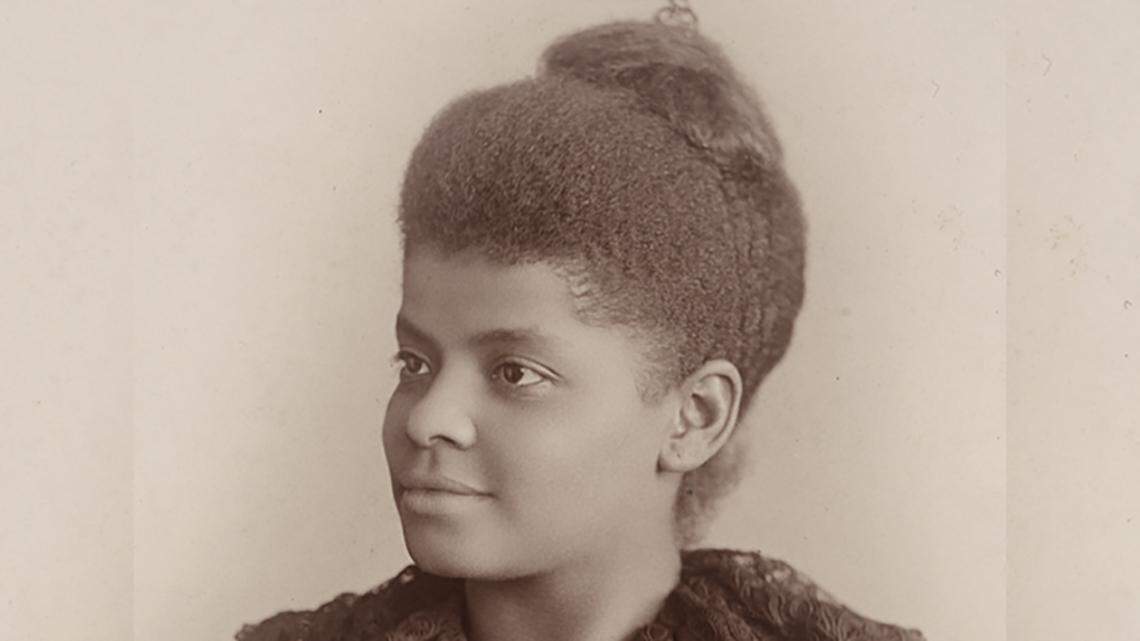
The Fourth of July should celebrate those who fought to make America’s promises real. Few embodied that fight more fully than Ida B. Wells.
Born into slavery in Mississippi in 1862, Wells rose to become one of the most fearless defenders of liberty this country has ever produced. While many looked away, she forced the nation to confront racial violence through her reporting and advocacy.
Her writings were driven not only by outrage, but by unshakable principle. She invoked due process, equal protection and free speech — rights enshrined in the Constitution but routinely denied to her fellow citizens.
In 1884, during the height of post-Reconstruction segregation and 71 years before Rosa Parks became a household name, Wells refused to leave her seat in a segregated train car. For this, she was forcibly removed.
She sued the railroad for denying her a first-class seat because of her race — and won, until the Tennessee Supreme Court overturned the verdict. It was the beginning of a lifelong pursuit of justice.
Lynchings spurred activism
The 1892 lynching of three Black businessmen — friends of Wells — spurred her activism. The injustice drove her to investigate and expose the truth behind the practice, laying bare the myth that lynchings were about justice rather than control and terror. She wrote: “Our country’s national crime is lynching. It is not the creature of an hour, the sudden outburst of uncontrolled fury, or the unspeakable brutality of an insane mob.”
Three months later, a white mob destroyed her Memphis newspaper office. But Wells only expanded her fight. “The way to right wrongs,” she argued, “is to turn the light of truth upon them.”
She documented lynchings with precision and moral clarity. Wells named names, cited court records and held the country accountable to its founding principles. In doing so, she embodied American ideals and showed the conviction of any Founding Father.
In 1893, she led a boycott of the World’s Columbian Exposition in Chicago to protest the exclusion of Black achievements — decades ahead of the civil rights movement. She later took on voter suppression, housing discrimination and racism in the suffrage movement. Her words endure for their belief in what America could become.
Ran for Illinois senate
Her politics reflected that self-determination. In 1930, she ran for the Illinois Senate as an independent. Decades earlier in 1885, she wrote to the New York Freeman, “Let a man be Democrat, Republican or Independent as his judgment dictates, if he is obeying honest and intelligent convictions.” That sentiment is worth reviving today.
Despite her profound contributions, Wells is often acknowledged only during Black History Month or women’s history commemorations. That’s not enough. Wells deserves recognition as a central figure in the broader American story. As John McWhorter wrote in The New York Times, much of today’s historical reflection leans on grievance and despair. But Well’s legacy belongs to all of us and offers something more substantial: civic courage.
She held a mirror to a nation that didn’t want to see itself clearly — not to condemn America, but to compel it to be better. Her advocacy was grounded in a patriotic insistence that the Constitution apply to everyone.
And, she’s on a U.S. postage stamp.
July 4 is an opportunity to honor more than the founders — our history is bigger than its beginnings. America’s exceptionalism lies not only in its ambitious statement of principles, but in the struggle to live up to them. And in that struggle, few were greater than Ida B. Wells.
So this year, while the holiday is marked with celebrations, take a moment to honor Ms. Wells — read her work, share her story, and carry on her legacy. Our liberty isn’t something we won once; it must be renewed, again and again. And that means remembering those who risked everything to realize it.
Ida B. Wells didn’t write the Declaration of Independence. But she lived as if its promises applied to her — and demanded the nation do the same. That is patriotism. That is the unfinished work of liberty. And that is what we should celebrate — this week and always.
This story was originally published July 3, 2025 at 7:04 AM with the headline "Ida B. Wells: Patriot who redefined American liberty should be remembered on July 4 | Opinion."