Longtime Wichita city employees, not just new hires, need raises
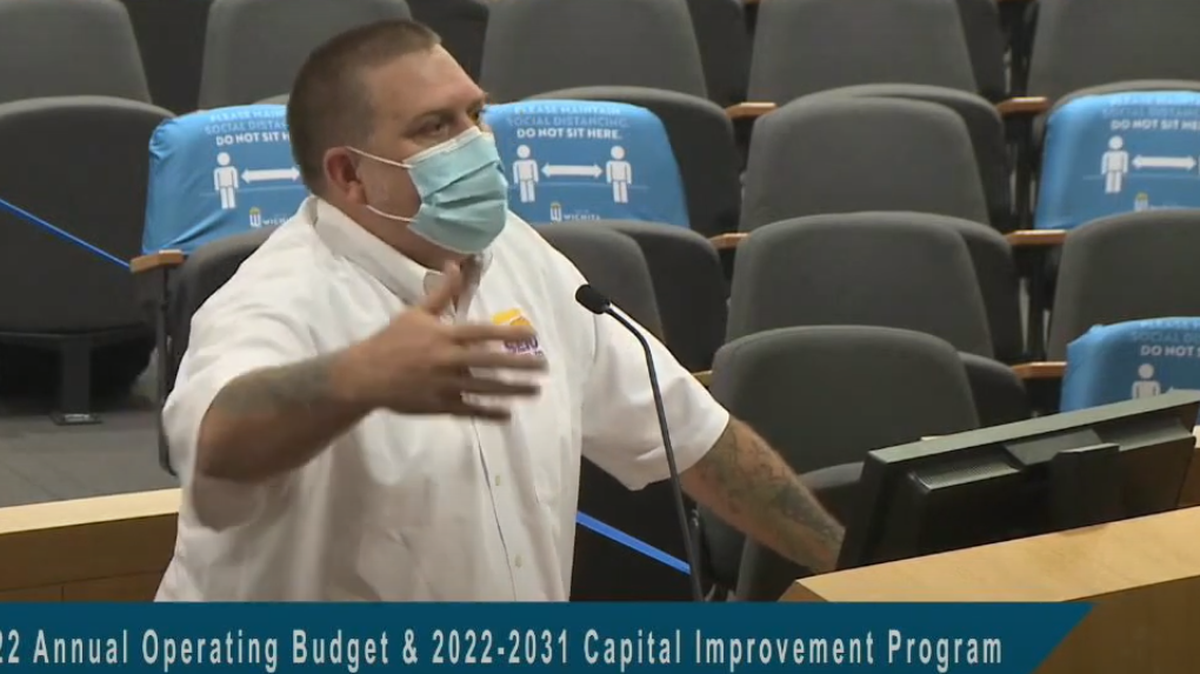
The Wichita City Council recently approved its annual budget. One element that has received significant attention is a plan to raise the minimum entry-level wage for all city employees to $15 per hour or above.
It has been portrayed by proponents as a victory for working people in Wichita, yet some public-sector union leaders have raised concerns about potential negative consequences that may result for their members. They are right to be concerned.
The minimum wage in Kansas is an abysmally low $7.25 per hour. However, the lowest-paid city employees currently make around $13.38 per hour. Roughly one third of the people currently earning under $15 have a current wage of about $14.98.
Levels of compensation are negotiated with the city’s unions. Like most union contracts, they have wage scales, with employee positions classified according to different wage ranges. Each year, employees typically move up one step within their range. With this plan the city will do two things. First, it will not hire anybody into vacant positions classified at ranges and steps below $15. Second, the city will move everybody currently employed at positions below $15 up to the lowest step within their range that is above $15.
However, because the lowest step above $15 varies by range, one effect will be that some brand-new workers in lower-range jobs will soon earn more money than workers in higher-range jobs who have been at their positions, in some cases, for years. That’s a textbook example of wage compression.
This is likely to frustrate longtime employees who will earn less money than their brand new, lower-range peers. The frustration that will ensue among longtime union employees is completely understandable, and it must be addressed.
One obvious solution would be to give other city employees raises in alignment with the entry-level increases already approved, in recognition of the wage compression concern and also out of gratitude for all of the arduous work they have had to endure over the course of the pandemic.
Beyond the simple issue of fairness there is another, perhaps more critical, reason to extend these wage increases to more senior employees. If longtime employees feel unappreciated and disrespected, they are more likely to leave. We need these people. They have the institutional knowledge and pass it on to the next generation. If we lose them, city staffing will not just be lower quantitatively, but worse in quality.
There is another important issue at stake. Contract negotiations are serious business and take a lot of time and effort from both sides. Wage scales are negotiated and ought to be enforced. What the city has done here is unilaterally overrule the prenegotiated wage scales. In this circumstance, that happens to be a very good thing for a few dozen employees. But it may set a worrying precedent by casting doubt upon the city’s commitment to good-faith negotiations with its unions.
As the city reenters contract negotiations this fall, these issues should be kept in mind. These entry-level wage increases are a great triumph for some of the city’s workers and should be the starting point for a newly negotiated, higher, and fairer wage scale for all of our city’s valued employees.