
Could the silver lining of Kansas’ drought be fewer tornadoes? We asked a forecaster
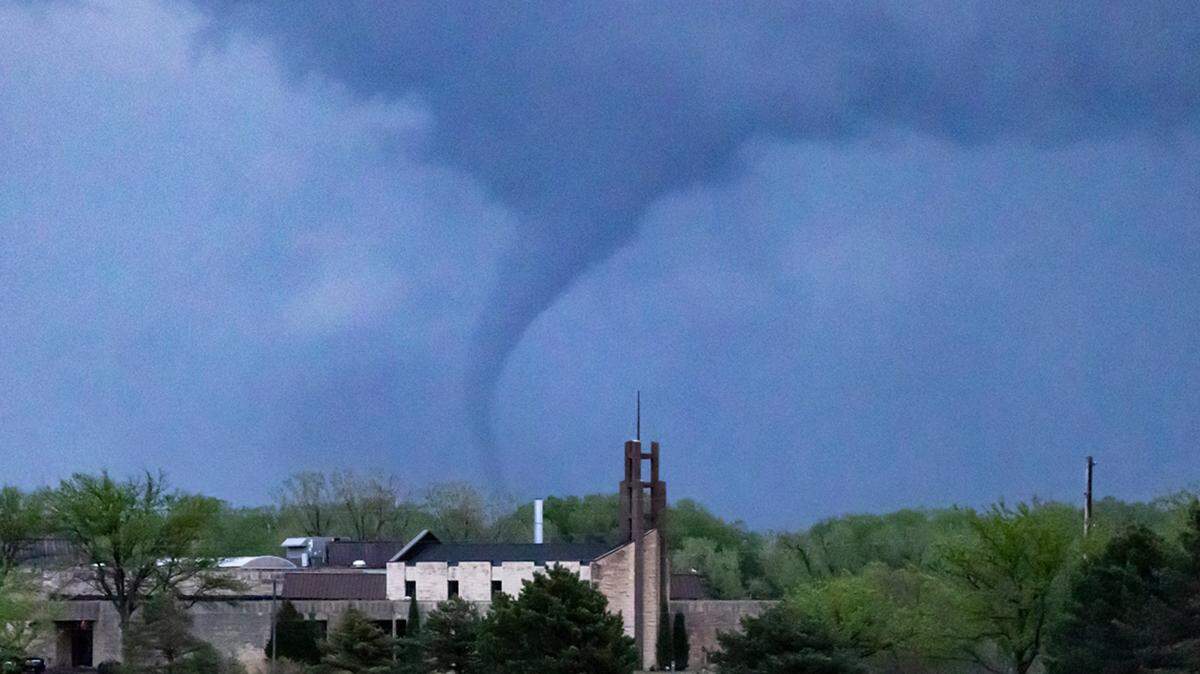
The National Weather Service is forecasting a winter storm that’s expected to affect parts of central and western Kansas late Wednesday afternoon through Thursday morning.
But if you’re looking further ahead to the start of tornado season this spring and wondering what it it could bring, that can be hard to predict.
One variable to watch over time is drought and general moisture level, according to weather officials.
“Moisture is definitely a component … you have to have that. It’s a crucial ingredient to develop storms and to have tornadoes,” said Vanessa Pearce, a forecaster with the National Weather Service office in Wichita.
While it’s worth noting there are many other factors at play and it’s impossible for forecasters to reliably predict severe weather far in advance, what follows is a general outlook.
What drought does (and doesn’t) have to do with tornadoes
Tornadoes in particular require atmospheric instability – the kind that brings warm, moist air near the ground with cooler, dry air aloft and wind shear, according to the NWS. Unstable masses of air encourage strong updrafts, while wind shear (sudden changes in wind speed or direction) strengthens updrafts and promotes the rotation that gives birth to tornadoes.
Previous research indicates a connection between soil moisture and tornado activity, suggesting tornadoes are less frequent after a drought, though still possible.
Drought has been draining Kansas’ aquifers for months, but that doesn’t mean moisture can’t move in and create the right conditions for tornado formation.
Note: This graphic will automatically update as new data become available.
As National Geographic explains, the science isn’t clear yet on whether climate change will make tornadoes more frequent and intense or actually suppress them.
In the meantime, while we wait for the science to catch up, Pearce tells people to “make sure that they stay weather aware and put together a plan” for what they would do if they experience severe weather.
How to prepare for tornadoes
Guidance from ready.gov recommends understanding your risk and preparing for the worst by making a plan.
It’s a good idea to stock up on emergency supplies and non-perishable foods, and don’t forget preparations for your pets, too.