
Birds we see more of - and fewer of - in Kansas
Next time you hear a bird sing, consider this:
In less than our lifetime, bird populations have changed. We have more of some, less of others.
Emily Dickinson wrote a great poem about birds:
Hope is the thing with feathers
That perches in the soul,
And sings the tune without the words,
And never stops at all.
But the bird populations seen today are not quite what Dickinson saw.
Bird lovers have watched the change unfold, across the world and in Kansas.
We have less prairie in Kansas than our grandparents knew. More trees. That change diminished prairie birds but attracted others.
We have more reservoirs and ponds – and they don’t freeze over like before. That keeps migrating geese and ducks here longer. We see bald eagles more “because we got smarter,” Bob Gress says and banned the pesticide DDT.
Mark Robbins is a bird scientist from the University of Kansas. Gress is a naturalist and wildlife photographer.
Here’s how they say the natural world around us is changing.
Birds we see less:
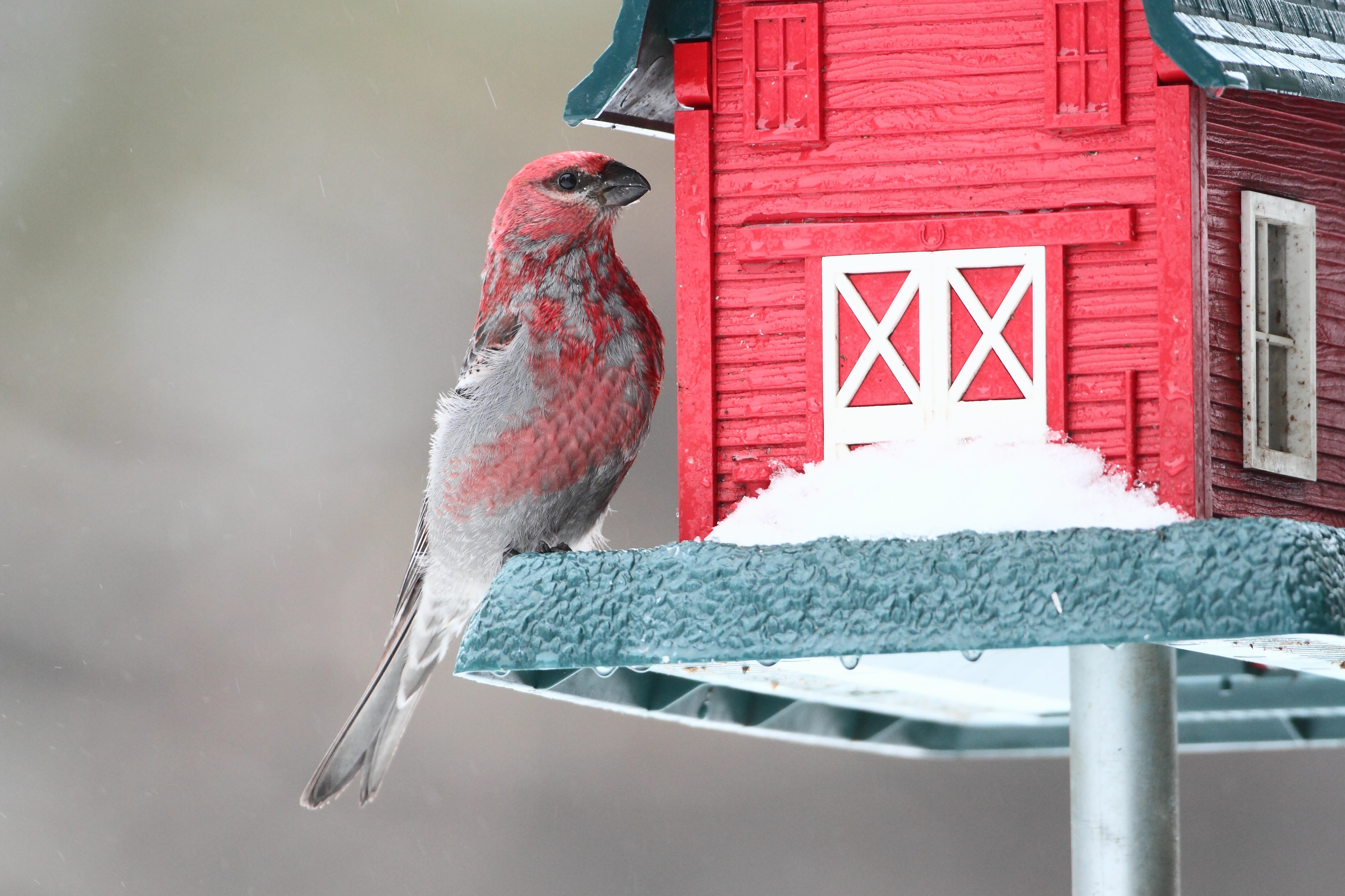
Pine Grosbeak
A gorgeous little guy we don’t see as much as we used to. Milder winters mean more southerly birds are seen more here – while more northerly birds like this one don’t drift south quite as much in colder weather.
Evening grosbeak

This little finch brightens up bird feeders occasionally. Their population is declining, both in Kansas and nationally, and the reasons are poorly understood. It has almost disappeared from the eastern half of the state.
Purple finch

Another northerly bird that doesn’t visit Kansas as much as it did in decades past. When it does, it’s usually in winter and usually in eastern Kansas. Naturalist Roger Tory Peterson described it as a “sparrow dipped in raspberry juice.”

Common redpoll
This finch thrives in climates more northern than Kansas, but used to be seen here more than it is now. It was always rare: in decades of photographing birds, Bob Gress has seen only three in Kansas. Warmer winters might be encouraging it to stay north.
White-winged crossbill

Their bills really are crossed and perfect for prying open spruce cones to get at the seeds. Rarely seen, this colorful, winter visitor is in decline in Kansas. No one is sure why, but pine trees in the Rocky Mountains have been dying, possibly diminishing part of their habitat.
Henslow’s sparrow
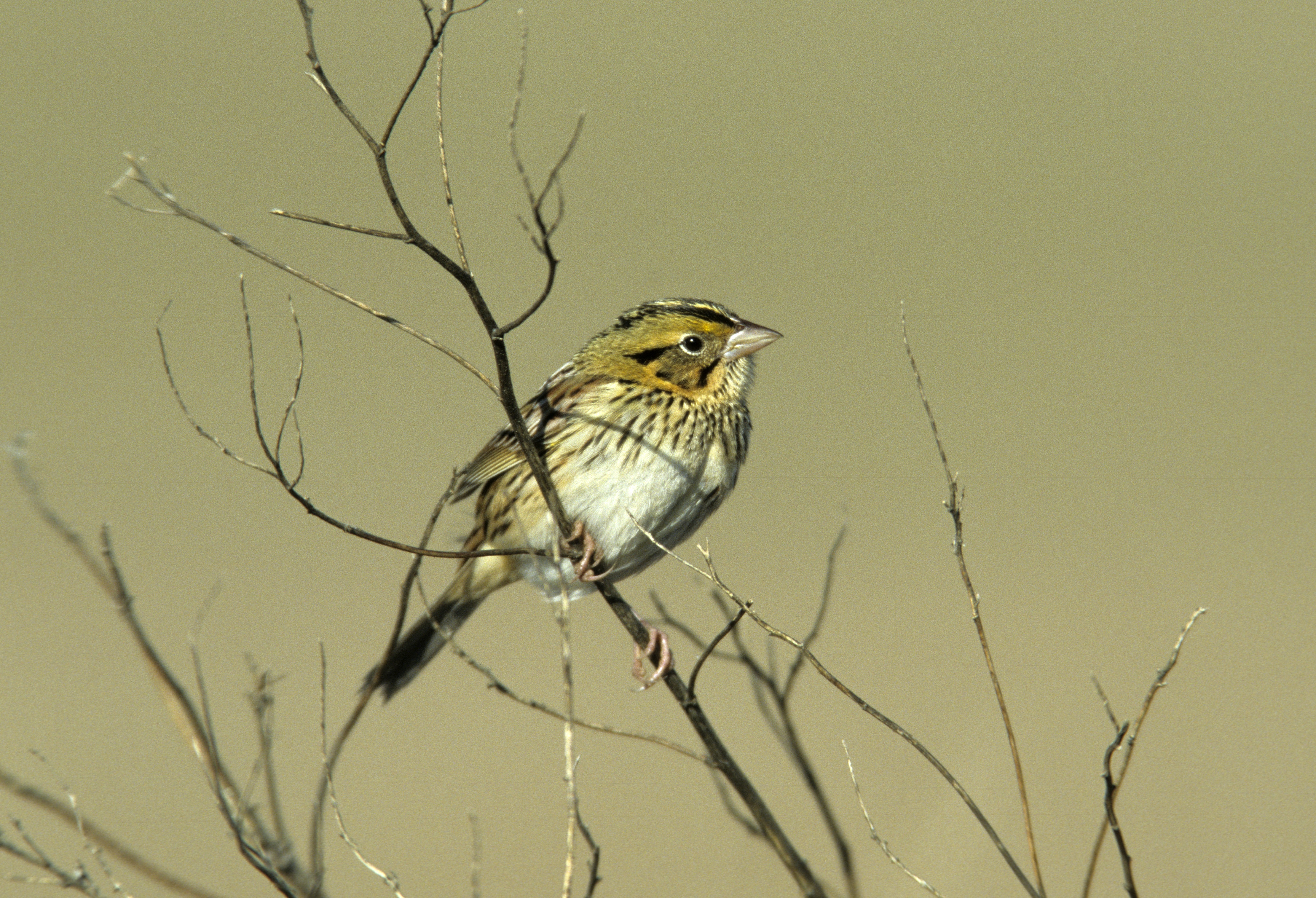
This little guy likes wildflowers and thrives in thick tallgrass prairie that doesn’t get burned off every year. Kansans long ago converted all but 96 to 98 percent of its prairie to agriculture-and ranchers burn much of what is left annually.
Rough-legged hawk
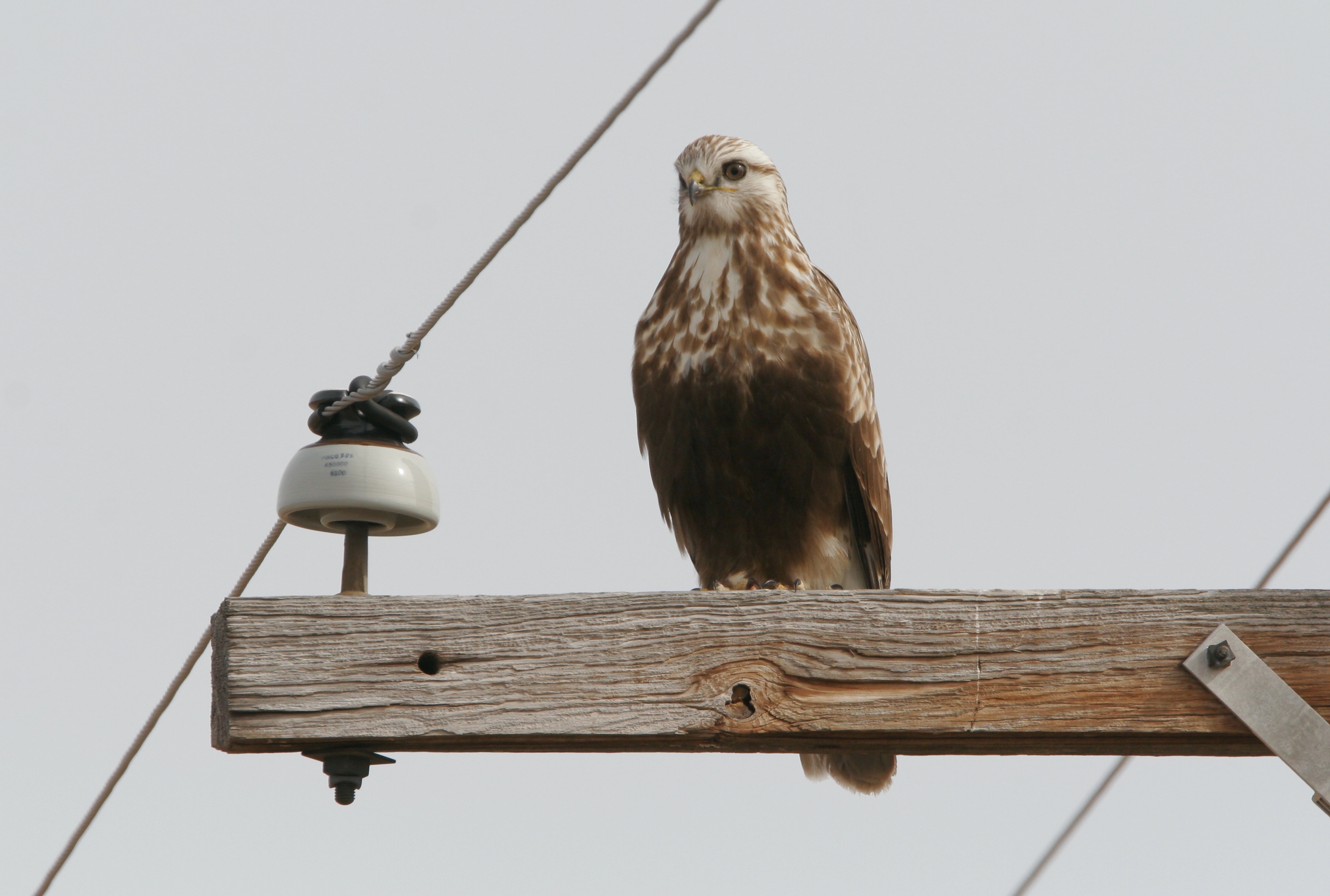
This hunter moves into Kansas from October until April, and in places will outnumber Red-tailed Hawks. It’s numbers are in decline, for reasons not well understood.
What we see more of in Kansas:
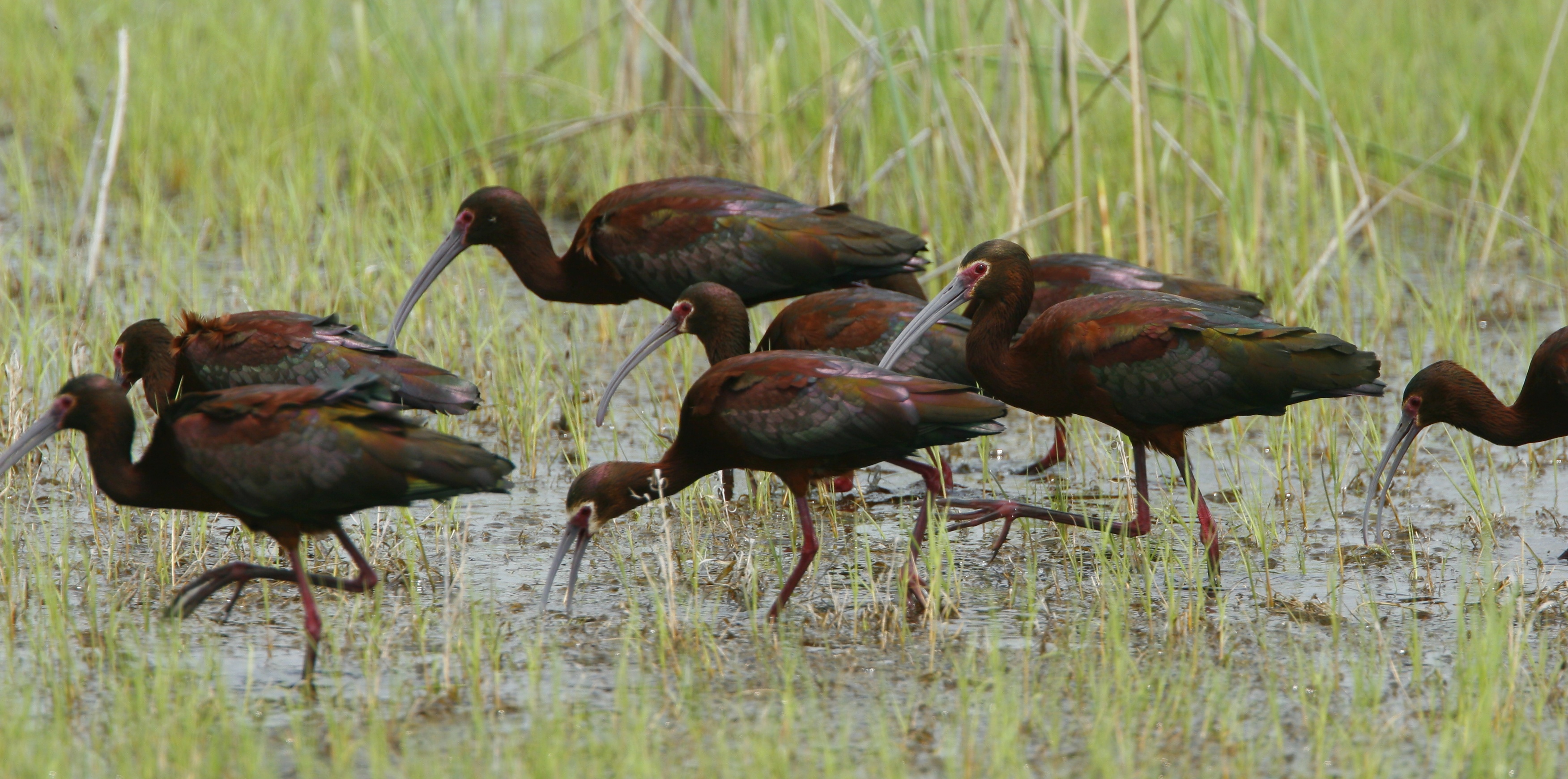
White-faced ibis
The long bill is perfect for probing mud for food. It will also grab insects from the water. It is seen in Kansas mostly at the Quivira National Wildlife Refuge and at Cheyenne Bottoms. Milder winters have enticed it to stay in Kansas longer.
Pileated woodpecker

This Woody Woodpecker-like guy with the punk-looking red crest can grow to 17 inches tall – nearly a foot and a half. Kansas sightings were rare in years past – and now hunters and naturalists see it frequently. All the tree growth in recent decades gave it both cover and bug larvae to eat. And the federal government declared it protected.
Red-shouldered hawk

Drive across Kansas. See all the trees in the pastures and by creeks? Most of Kansas was bare of trees decades ago. More trees means more red-shouldered hawks.
Eastern phoebe
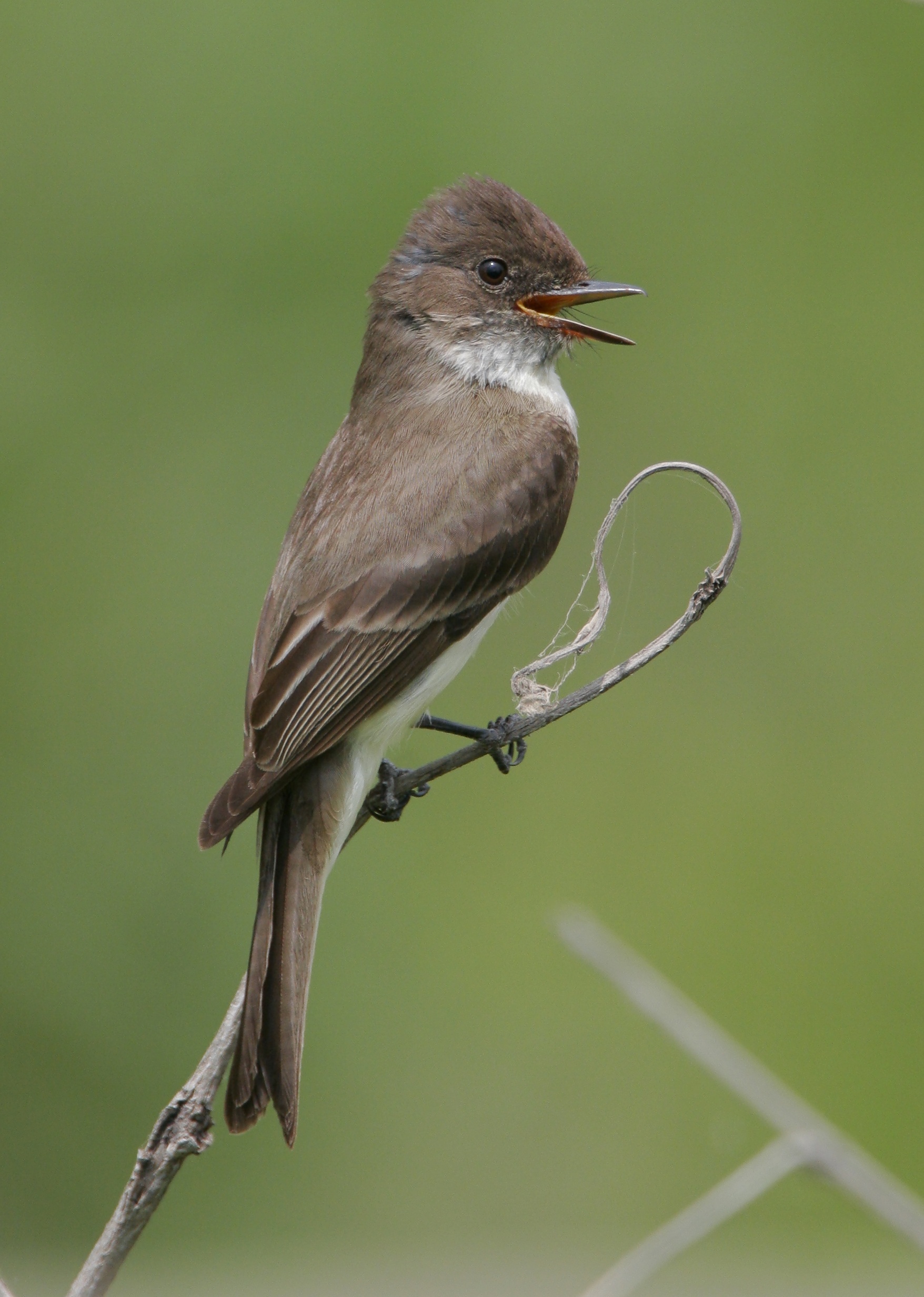
Milder winters enticed this little flycatcher to hang around Kansas longer into the cold than it used to. It likes to build little cup-shaped nests under bridges and inside farm buildings.
Cooper’s hawk

This raptor with a long tail was rarely seen across Kansas decades ago but shows up everywhere now – probably because the pesticide DDT was outlawed, Robbins said. All those extra trees give them more habitat. Hunters used to shoot them because they eat other birds; shooting them is outlawed now.
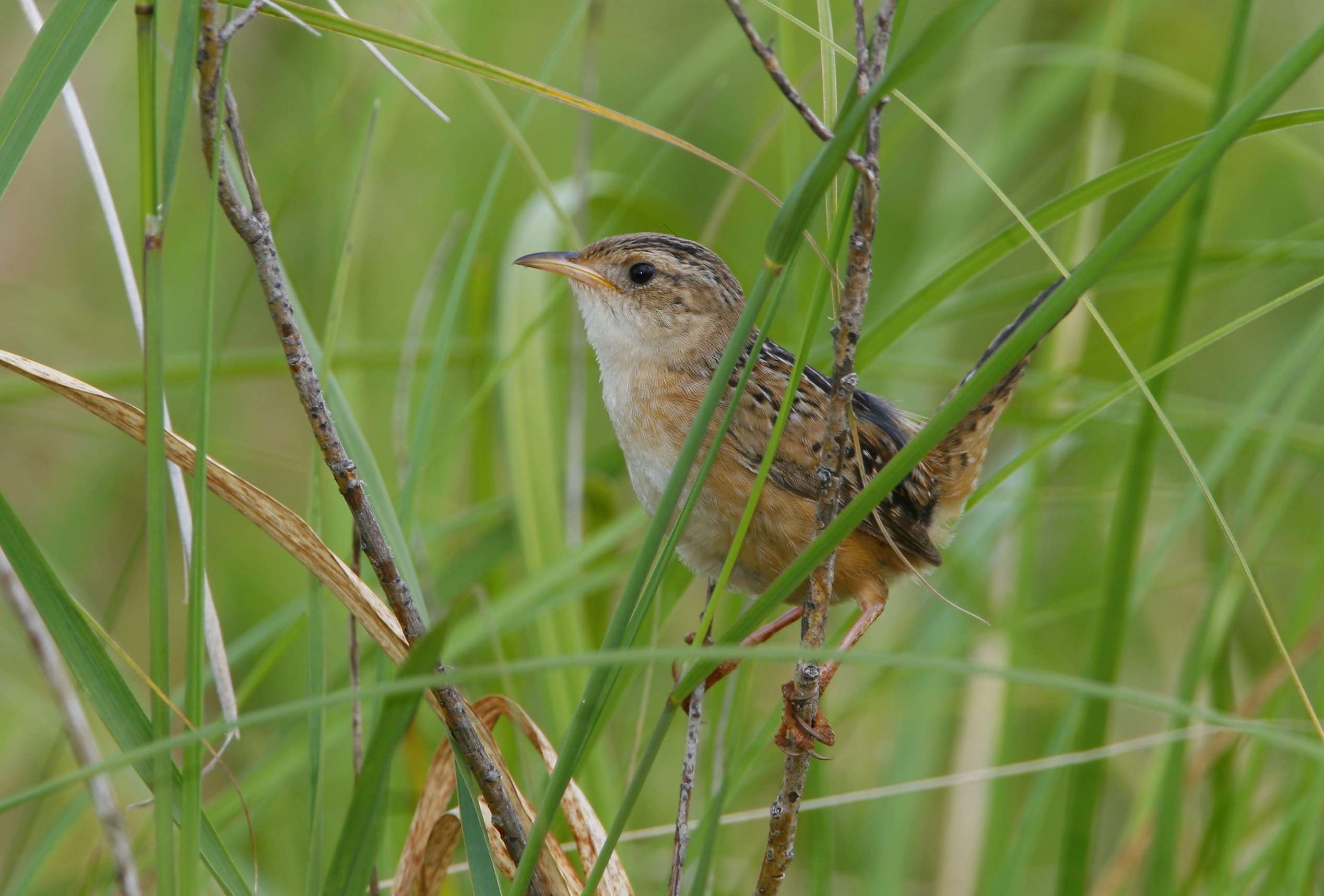
Sedge wren
Milder winters mean this little mysterious bird has been staying in Kansas longer than it did in years past. It likes both prairie and wetlands.
Fish crow

Populations of this coal-black bird have grown dramatically in recent decades possibly helped by climate change. It can be seen near rivers and lakes and is slightly smaller and rarer than the American Crow, which roost in Wichita by the hundreds of thousands.
Sandhill crane
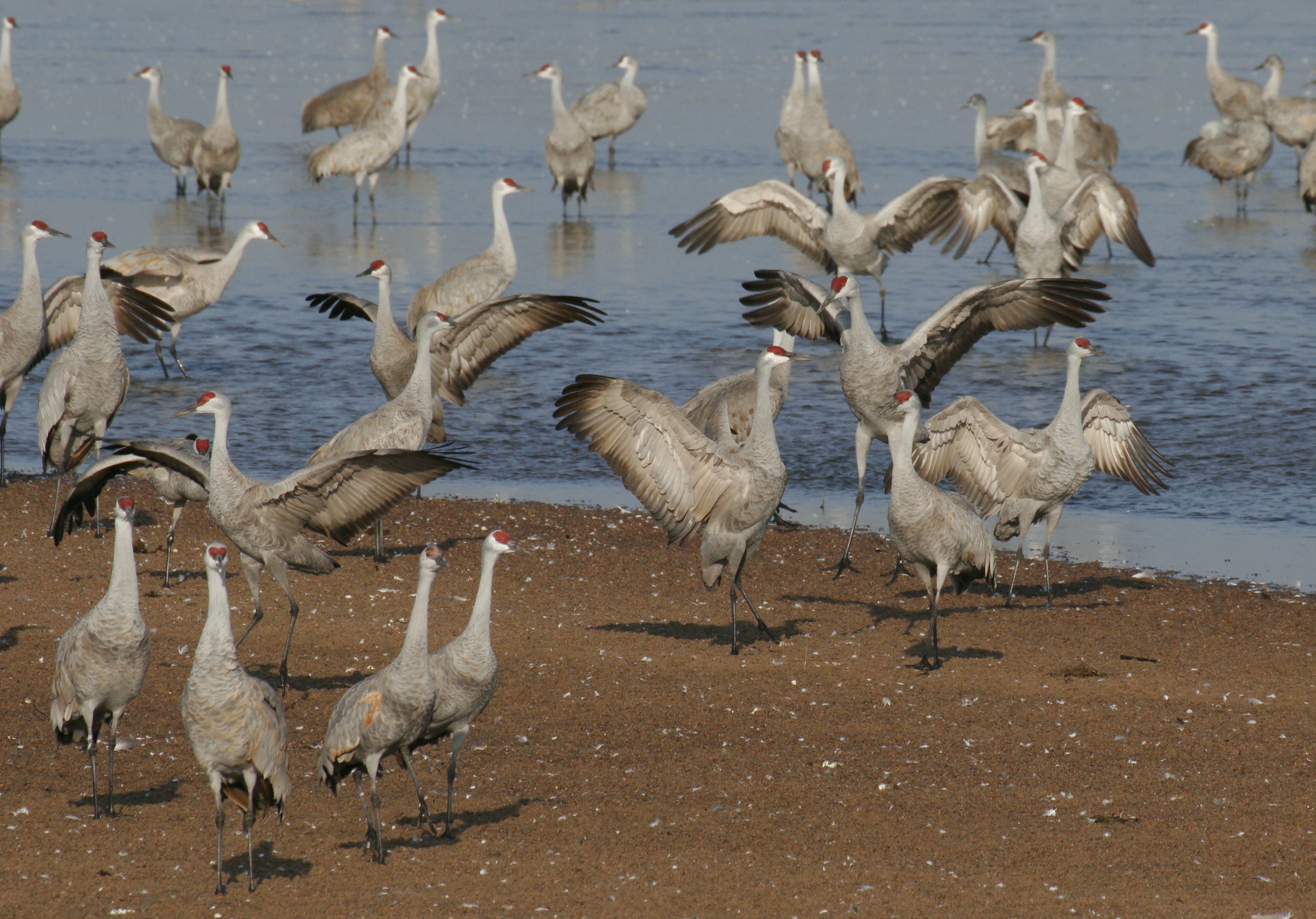
This winter visitor has long been one of the delights at Kansas’ wetlands like Cheyenne Bottoms and the U.S. Quivira National Wildlife Refuge. They can be seen sometimes in the thousands and hang around longer in milder winters.
Greater yellowlegs
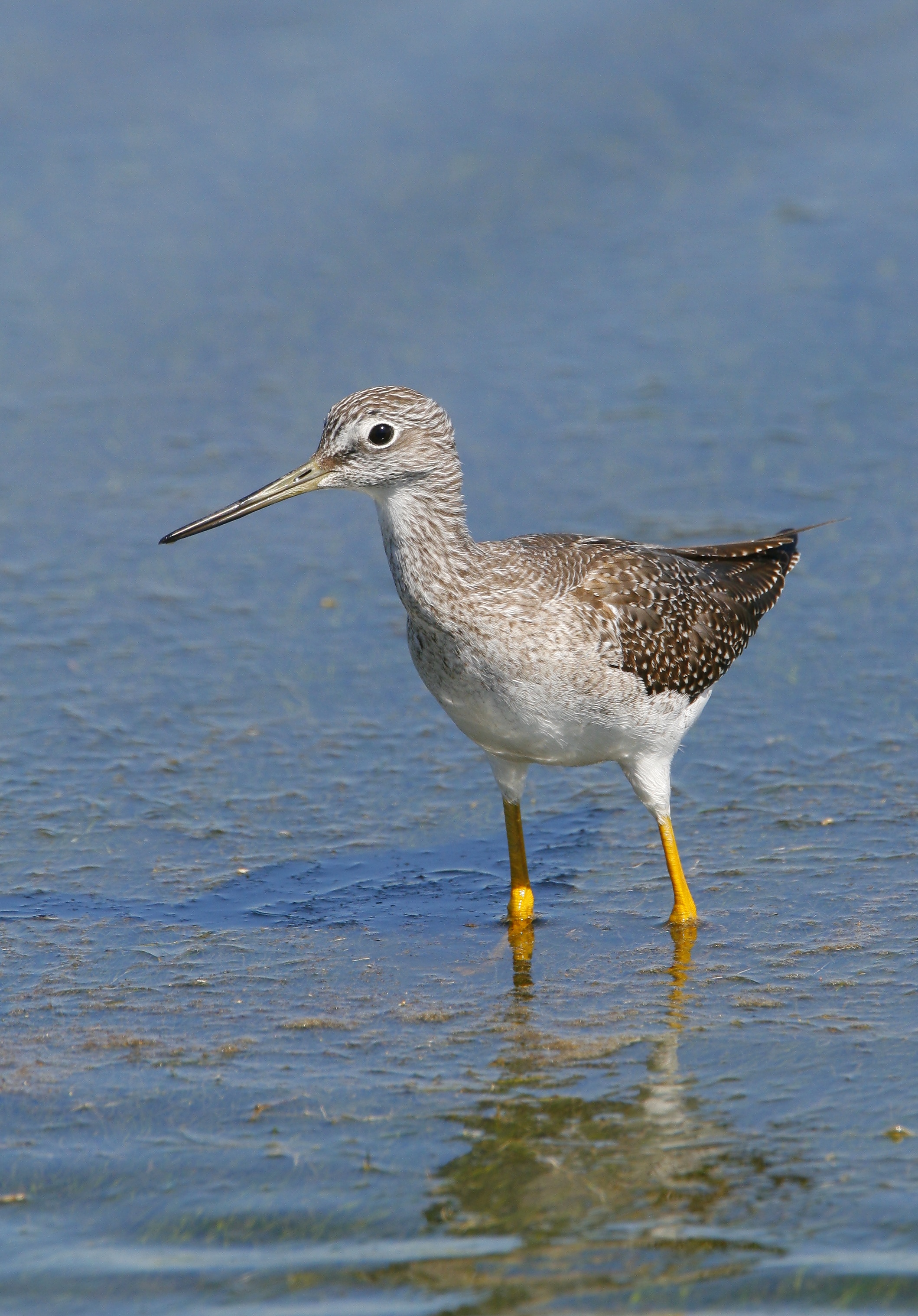
A shore bird that’s fond of wetlands and water, it also is staying longer after the weather turns cold.
Long-billed dowitcher

Another shore bird, a migrant to Kansas in spring and fall, it is staying longer during our milder winters.
Sources: Bob Gress, Mark Robbins, and “Kansas Birds and Birding Hotspots,” by Bob Gress and Pete Janzen.
Roy Wenzl: 316-268-6219, @roywenzl
This story was originally published February 5, 2016 at 4:16 PM with the headline "Birds we see more of - and fewer of - in Kansas."