House on Kansas prairie served as an inspiration. Now, it’s starting to crumble
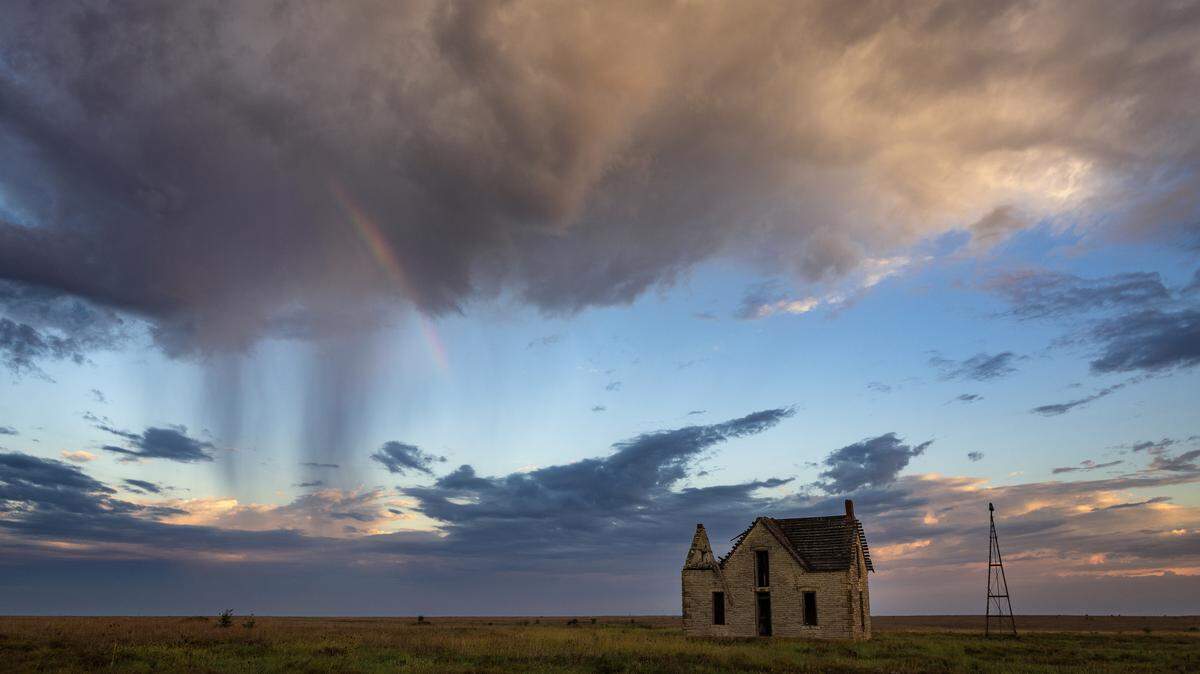
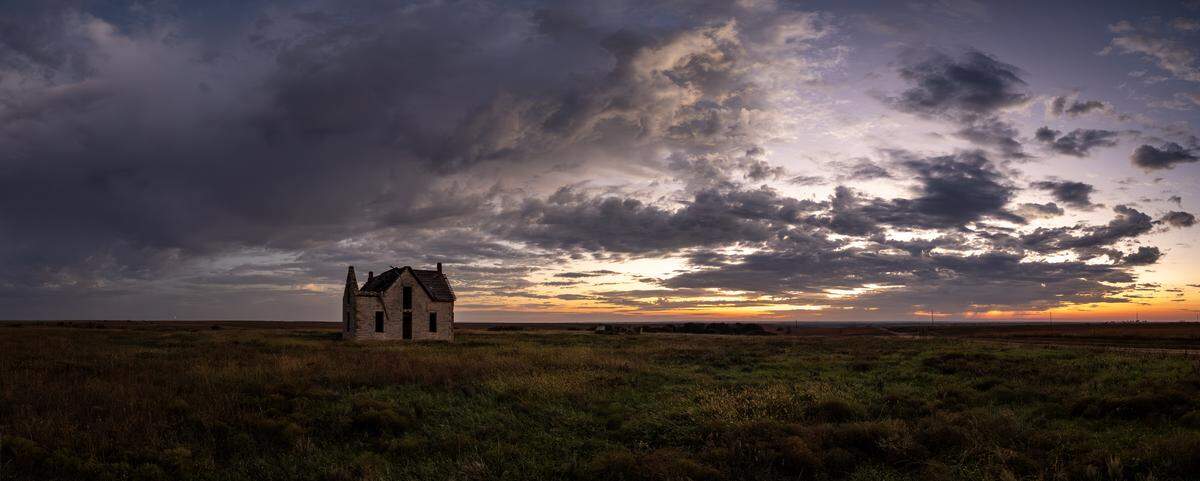
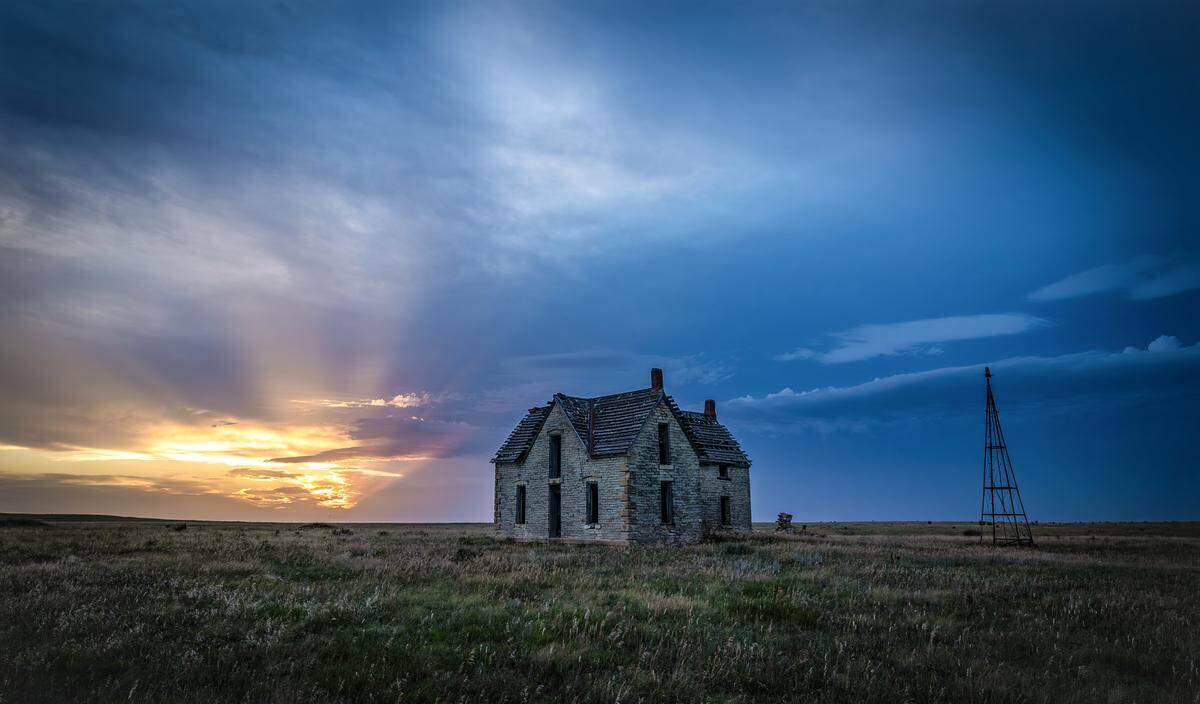
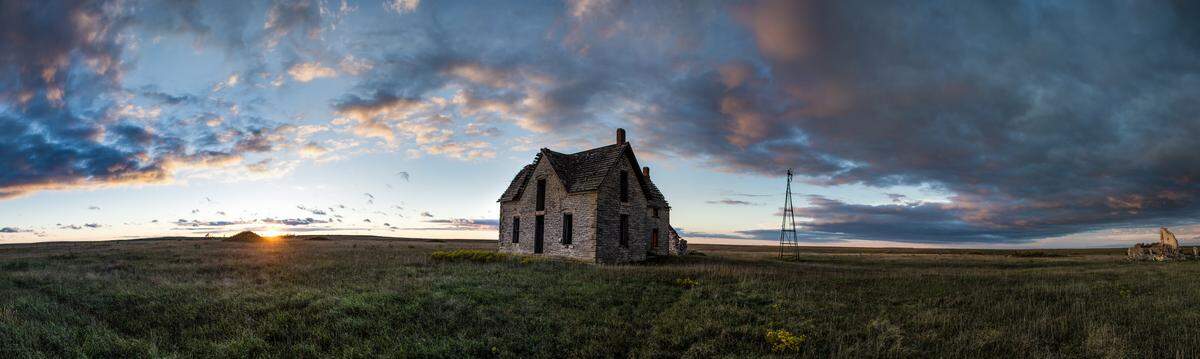
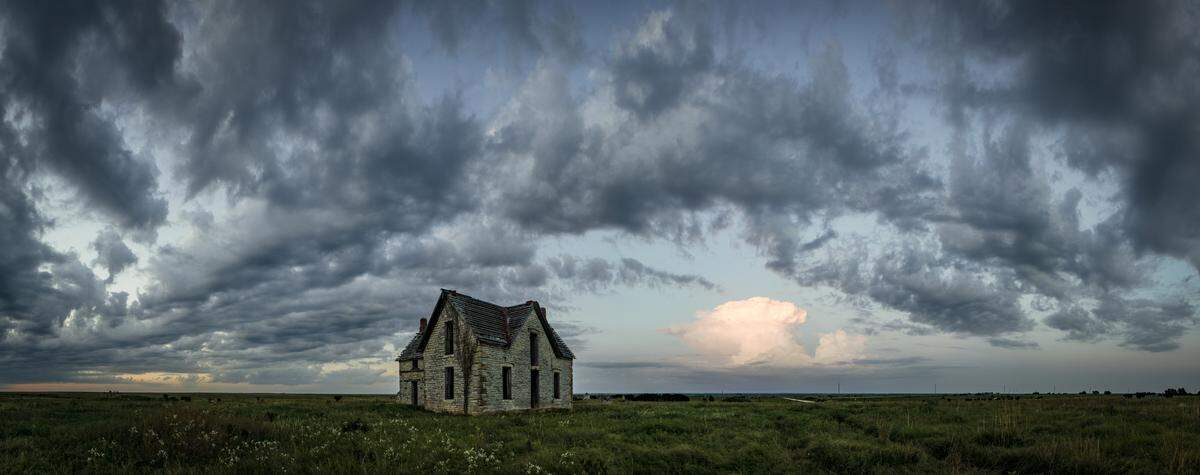
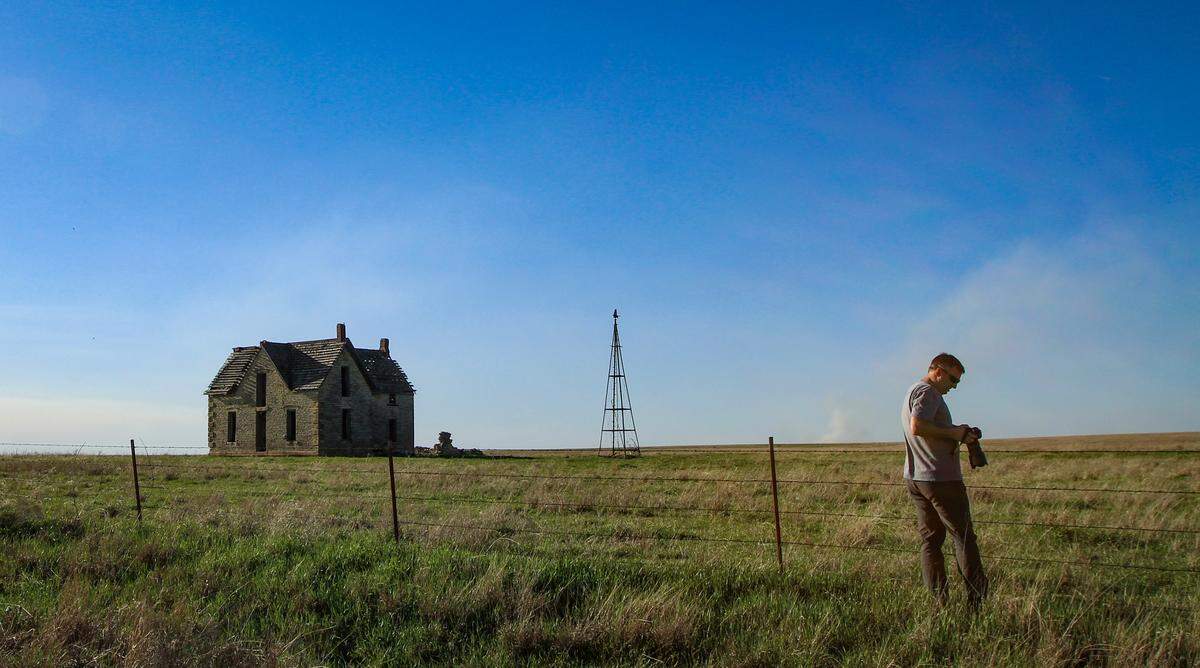
In the spring of 2004, while working on a project about a legacy Flint Hills ranching family, cattleman Pat Sauble drove me and reporter Roy Wenzl into a pasture near the Chase and Marion county line. On the southern edge of that pasture, near the intersection of two dirt roads, stood an abandoned limestone house.
For this photographer, it was love at first sight.
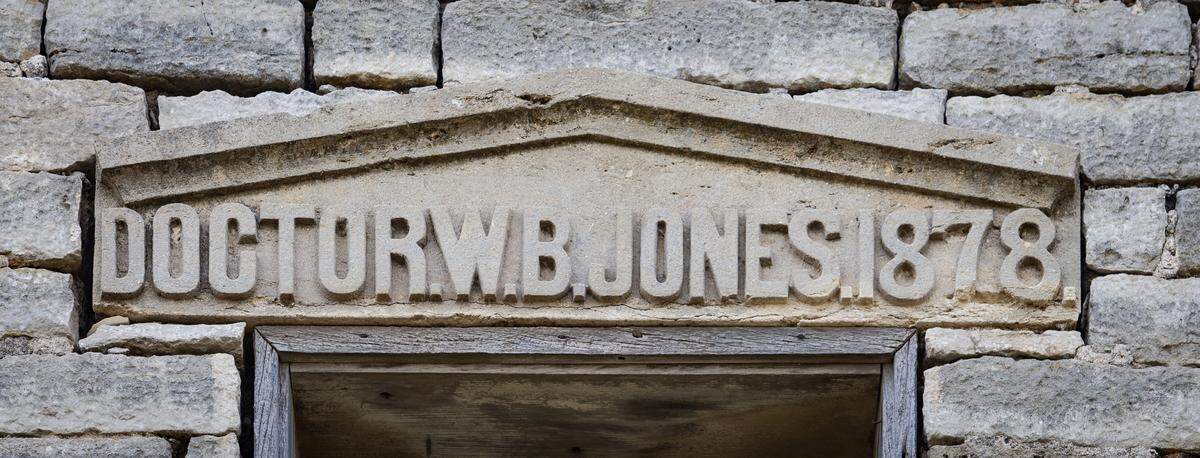
Etched into the limestone above the second-floor window were the words “Doctor W.B. Jones. 1878.”
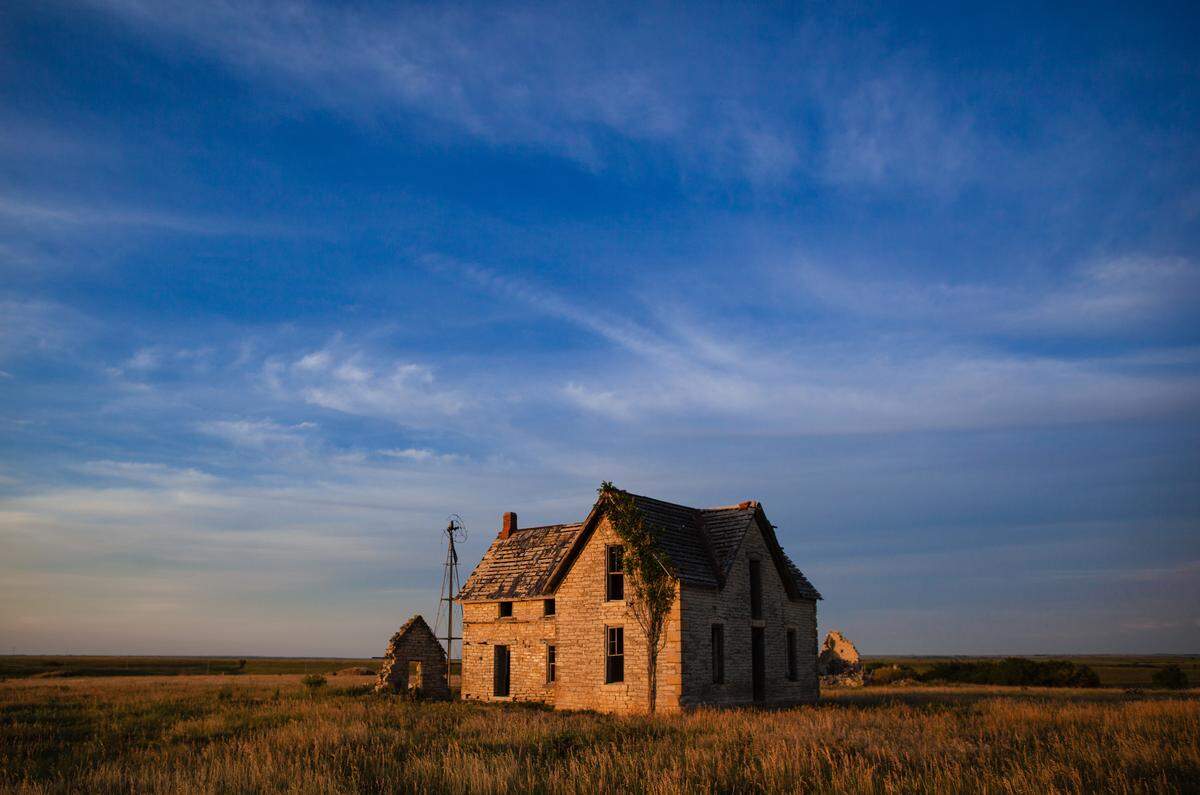
To my eyes, it was as majestic as a medieval castle. There are plenty of abandoned late 19th and early 20th century limestone structures spread across Kansas, but this one was different. Usually these historic structures are overrun with weeds and trees that aid in their eventual destruction. But this house had none of that.
For 126 years, those limestone walls had survived everything nature could throw at them. It seemed to serve as a testament and reminder of the strength of the pioneers who settled across central Kansas around the time of the Civil War.
And speaking of war, that spring I was myself just a few months removed from a three-month stint working as an embedded photographer in Iraq, and mentally I was still struggling from that experience. But I remember a feeling of calmness and peace when I framed up that old house in my viewfinder. It was set against a perfect blue sky among a field full of brome grass that hadn’t yet turned green.
That first photo exists only in my memory, thanks to some thieves who stole my laptop and cameras out of my car a few months later. But I never forgot about that old house, or the feeling I had when I discovered it.
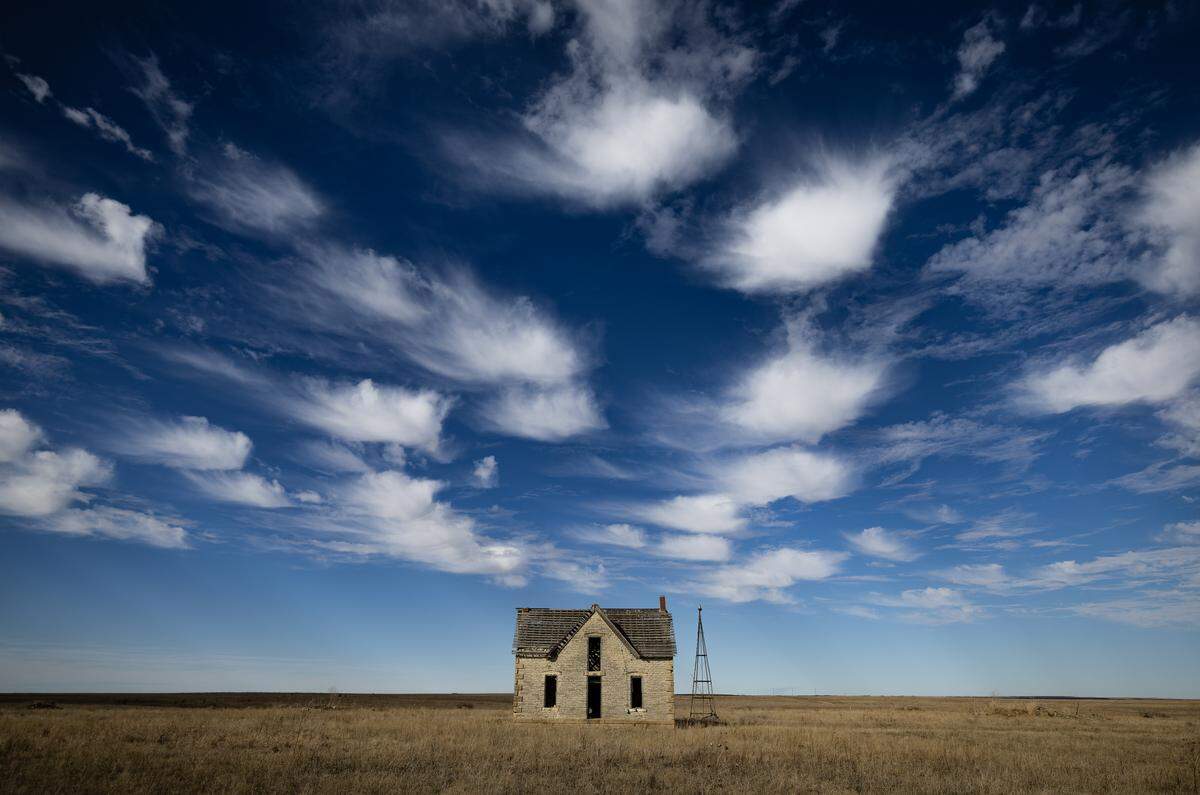
What I know about the house, from newspaper accounts, is this: William B. Jones, who was born in Kentucky in 1836, started practicing medicine in Florence and built the house upon arriving in Marion County in the late 1870s. He and his wife, Sarah, lived in the house with their seven sons, but their stay in Marion County was brief. The house was sold in 1881 for $6,000 — $194,000 in today’s dollars — and Jones moved his family to Cherokee County to continue his medical practice. He’s buried in the cemetery in Baxter Springs.
Jeff Inlow, who lives across the road from the Jones House, thinks that the last time the house was occupied would have been in the 1960s. Birds and other critters have been the only occupants since.
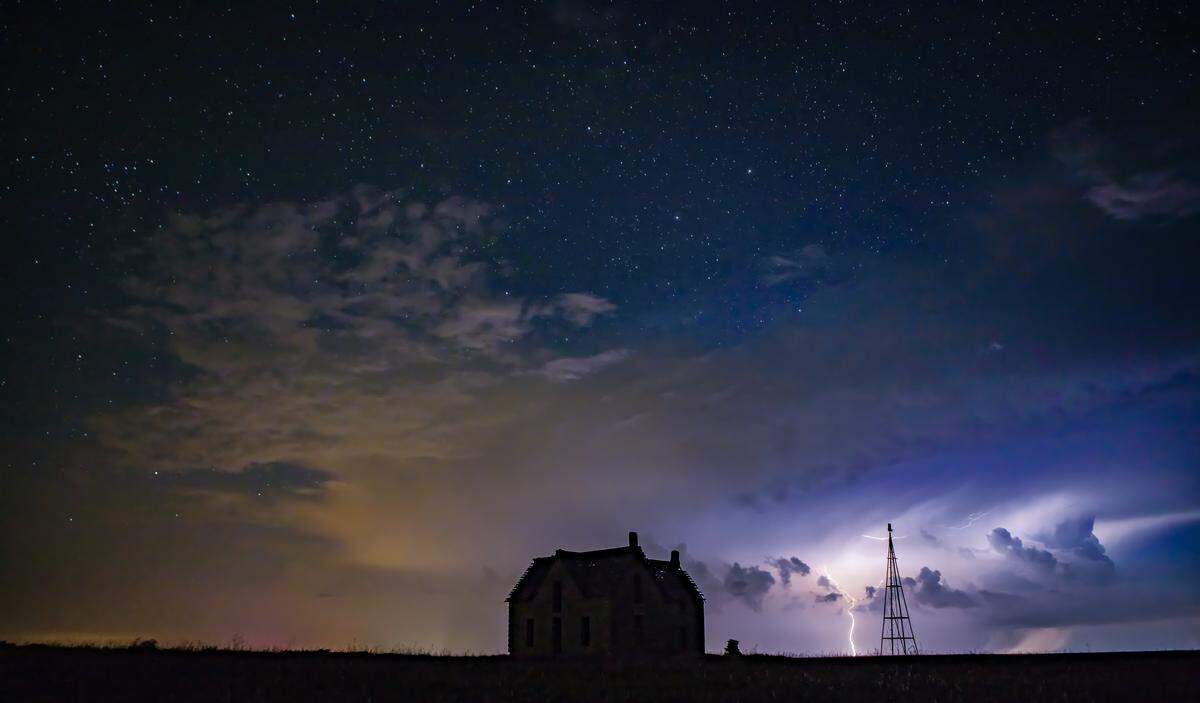
For the past 21 years, I’ve made it a point to photograph the Jones House as often as I can. Every time I’ve crested the hill a mile west of the house, I’ve felt a sense of relief that it’s still standing. It’s become more than a photo subject to me, it’s therapeutic. It symbolizes longevity and consistency in a world that changes constantly.
When the world shut down in 2020 during the pandemic, I drove out to the Jones House.
When my wife received a cancer diagnosis in 2022, that evening I drove out to the Jones House.
Recently, I hosted an exhibition of my Kansas landscape photography. Displayed were 30 images from across the state that I felt exemplified Kansas’ subtle beauty. Honestly, I could have hung 30 photos of the Jones House, so narrowing it down to just a couple wasn’t easy.
On the caption of one of those photos, I wrote the following:
“This entire exhibit could have consisted of nothing but pictures of this house. I’ve been photographing it since 2004, and it’s my single favorite subject in the state. It’s been standing in a Marion County pasture since 1878. When it eventually collapses, it’ll feel like a death in the family.”
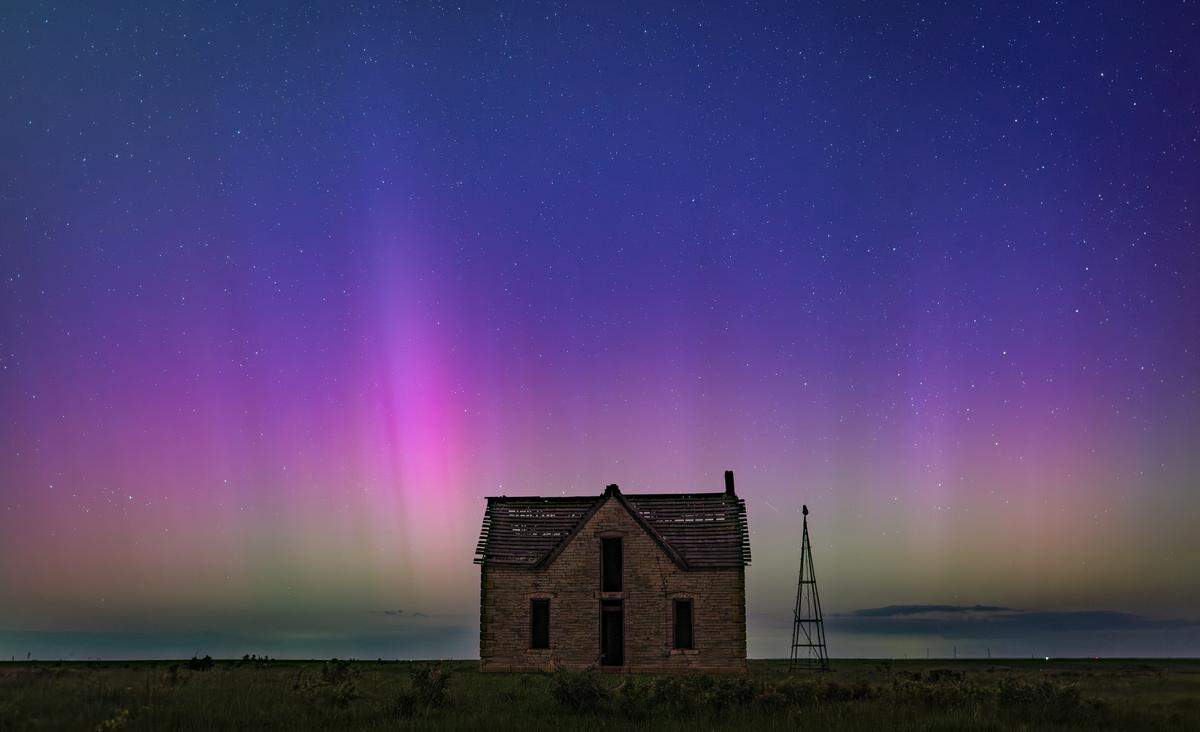
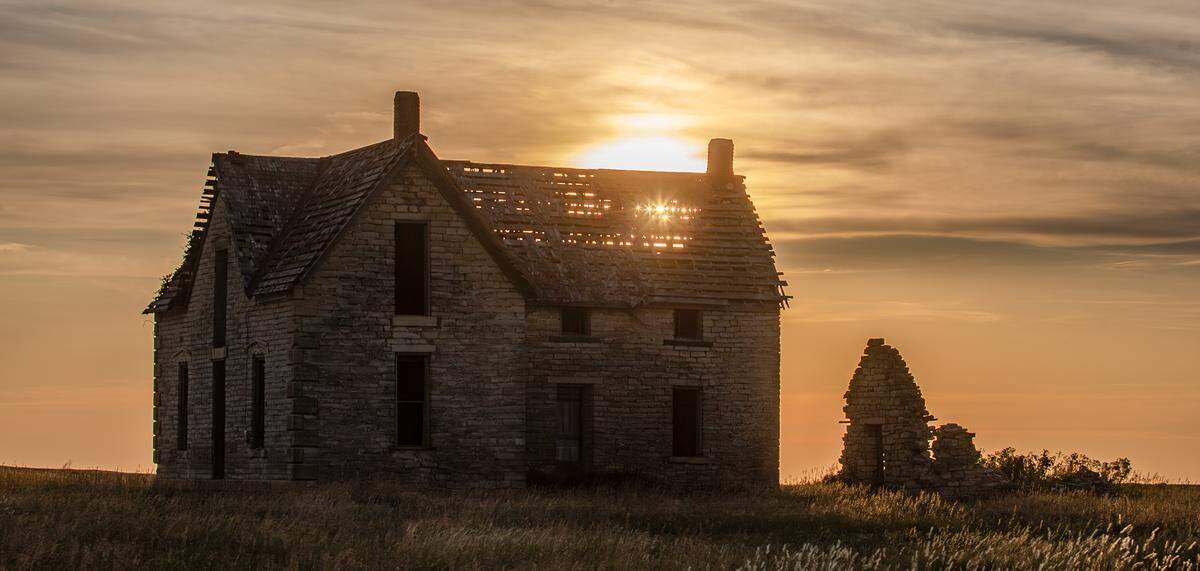
What I didn’t know when I wrote those words was that collapse had already begun.
Two weeks later, on Oct. 15, I scrolled upon a photo on Facebook of the house. Half of its roof was missing,
My heart sank.
As best as Jeff Inlow can say, a portion of the roof collapsed sometime in mid-August. A summer of constant storms seemingly proved to be too much for the old wooden roof slats.
“It makes me want to cry,” Inlow said.
“It’s sad to see that it’s stood for that long and now it’s falling apart.”
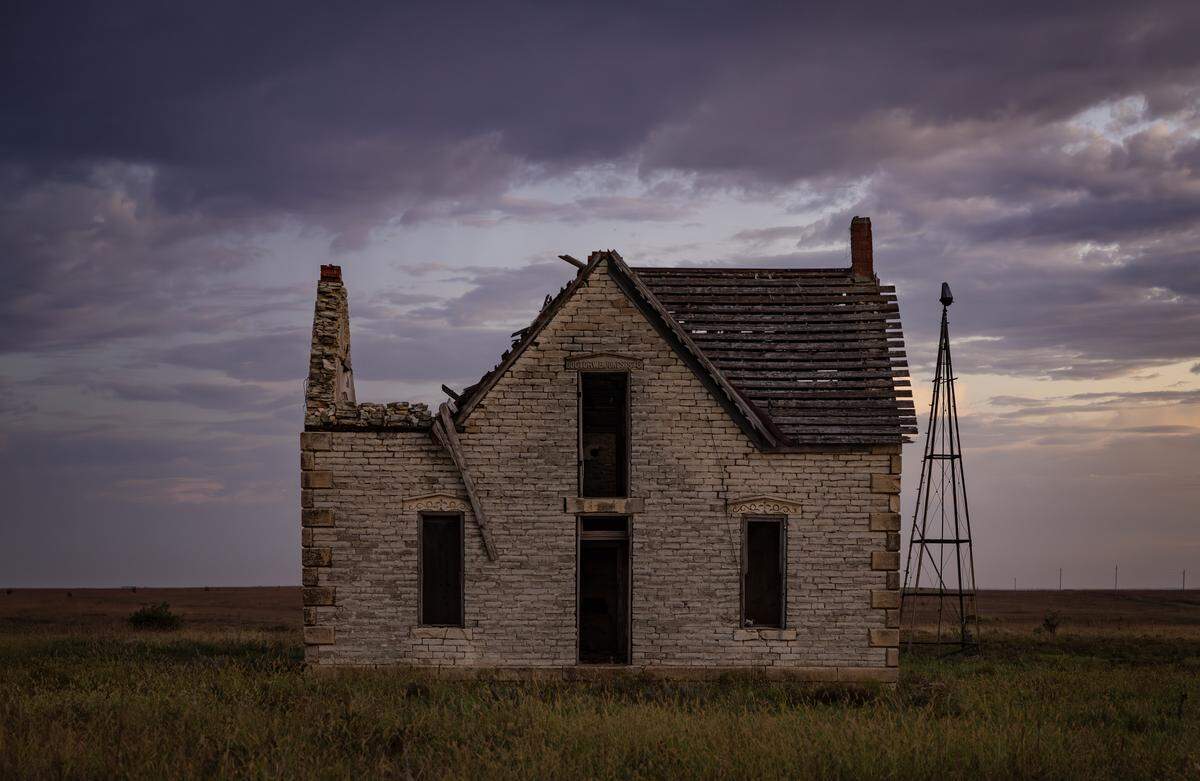
The day after I saw that image of the damaged house, I left before dawn to see it for myself. I figured I was off to say goodbye to this longtime subject.
Its perfect symmetry, part of what drew my eye to it in the beginning, was broken. And as the sunlight emerged across that Flint Hills pasture, it looked odd. But it was, after all, still standing.
The home is now the property of Randy and Judy Mills, owners of the Doyle Creek Cattle Co. Judy Mills says she and her family love the old Jones House, and they too are deeply saddened by the recent roof collapse. Her family occupies an old restored limestone house nearby, built from the same quarry that supplied the stones for the Jones House.
But running a Flint Hills cattle operation is costly, Mills says, and finding some extra money to try to preserve an old house that hasn’t been occupied in over half a century just isn’t feasible.
“We love the place,” Judy Mills said.
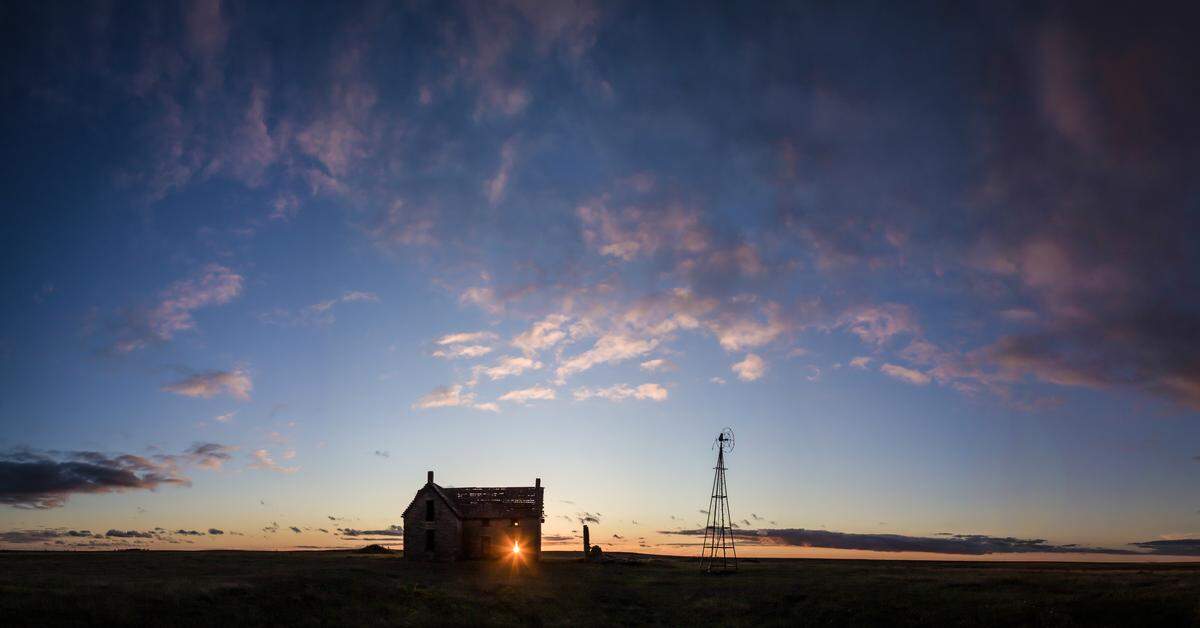
She says she’d welcome any kind of fundraising effort to place a new roof on the historic structure so that the limestone walls will stand for another 100 years.
“If there’s some way we can raise money to preserve it, we’d be all for that,” Mills said.
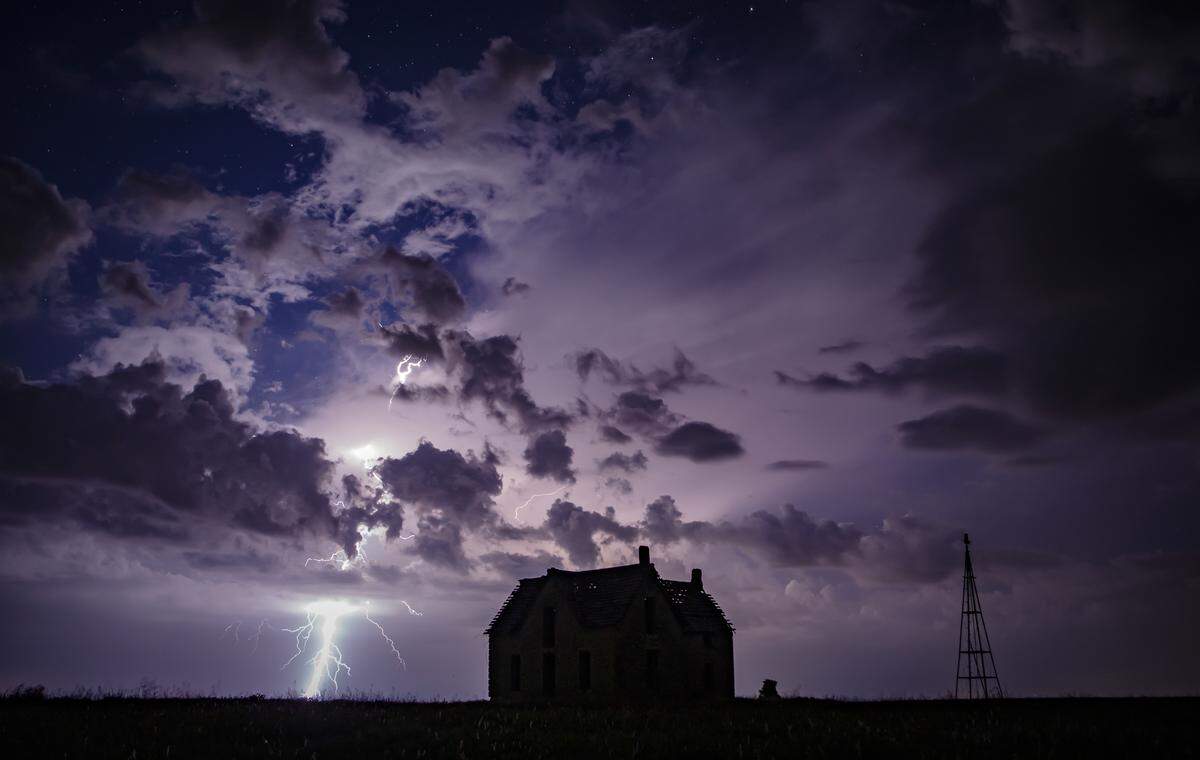
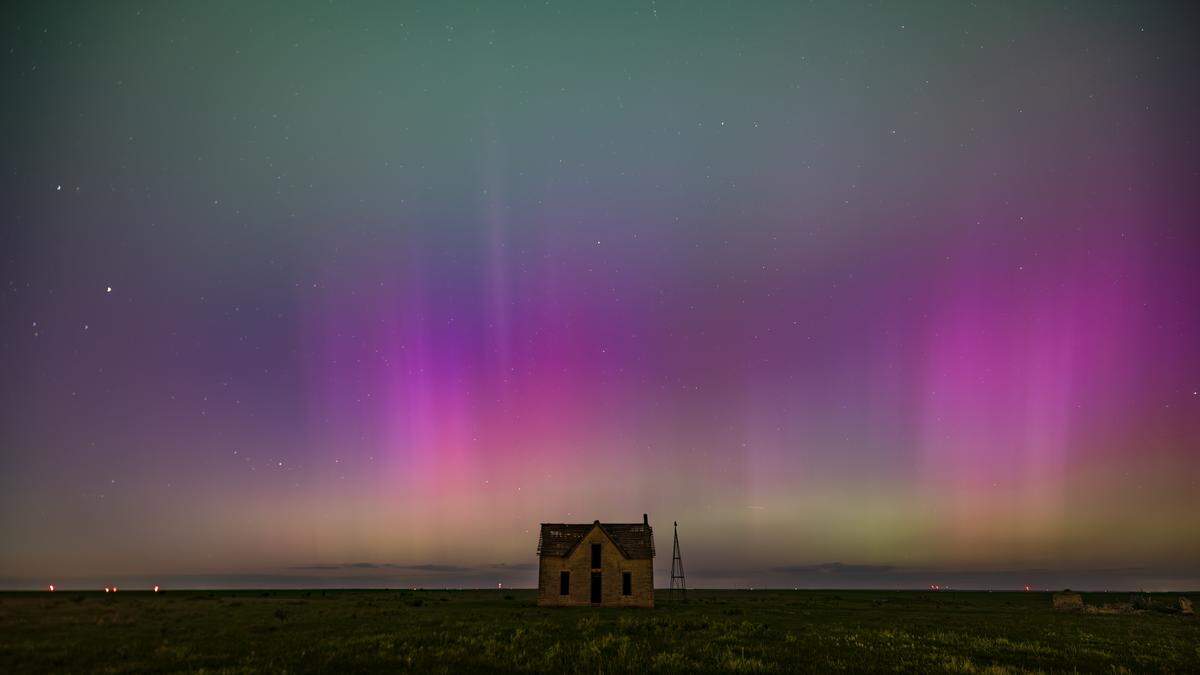
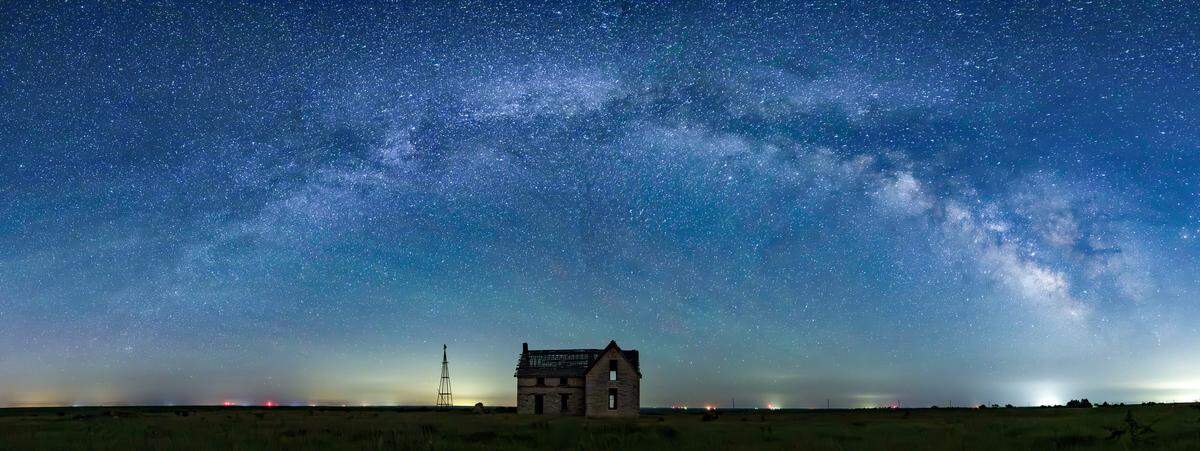
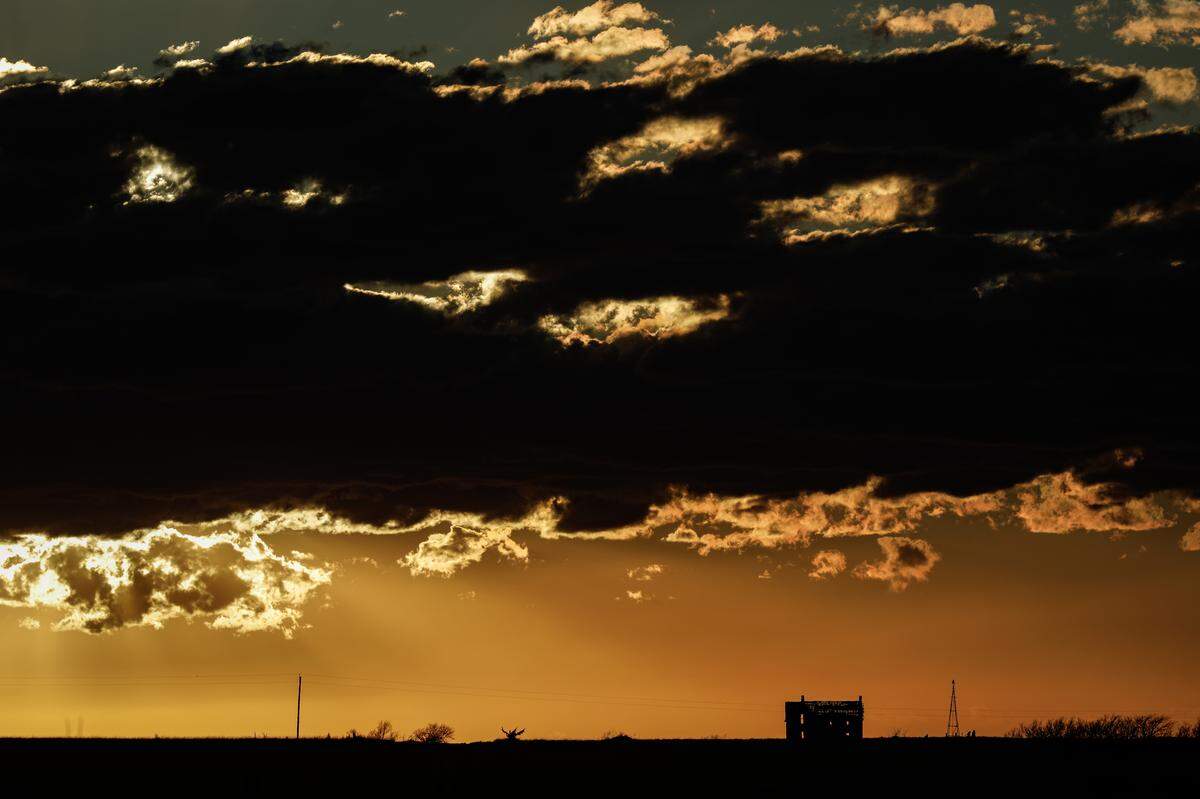
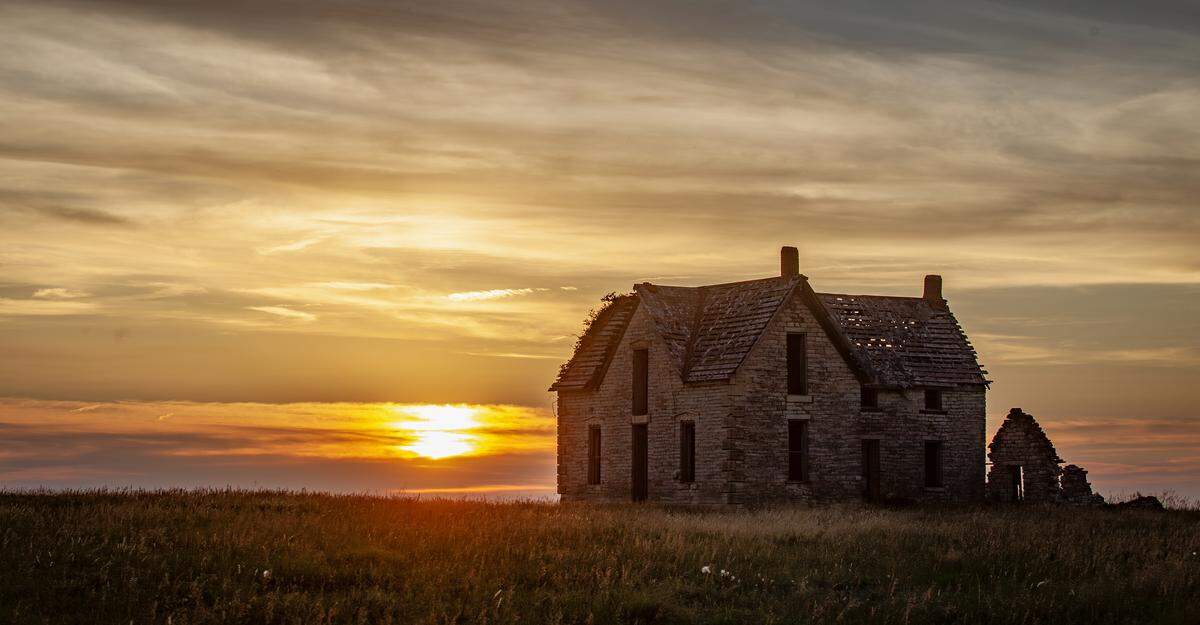
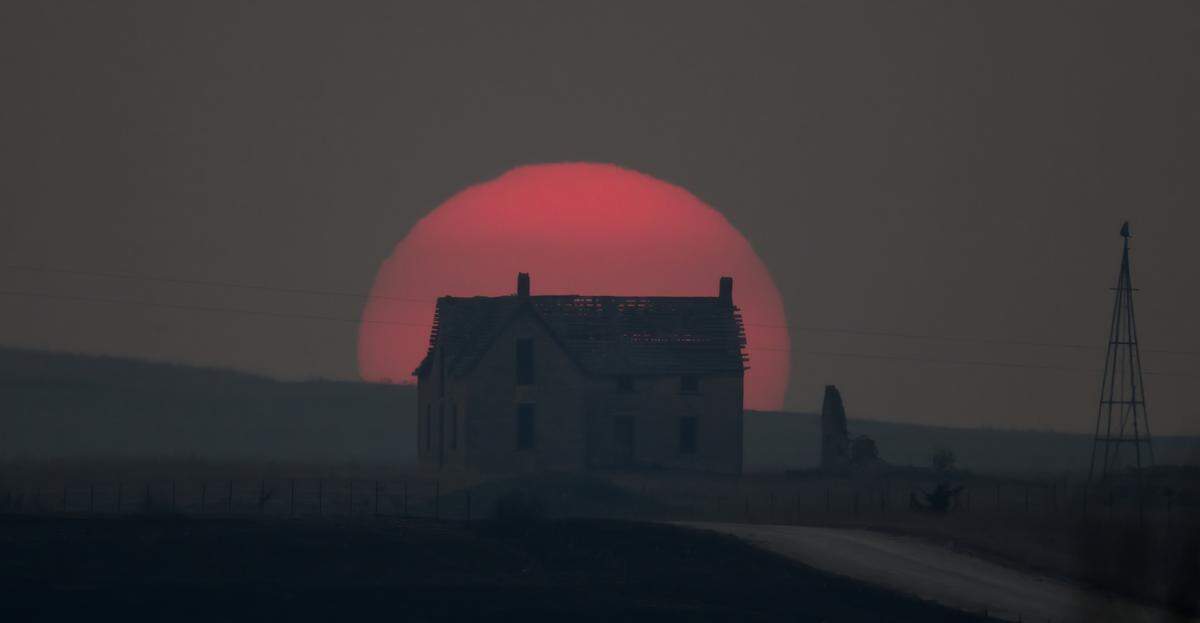
For 21 years I photographed the Jones House in numerous ways. Amongst storm clouds. Surrounded by snow. Bathed in the northern lights. Encased in the smoke of prairie fires.
What I had never done was photograph it in the morning. Until last week.
So on that trip to say goodbye, that old house seemed to have something to say to me.
“We’re not done yet.”
The Jones House might not look like it did for the past 21 years, but neither do I.
It’s missing part of its roof; I have a lot of gray hair.
Things change, and time is a thief that eventually takes us all.
Just before driving away, a brief rainbow appeared over the old house.
Message received. I guess we’re not done yet.