Ants are invading Kansas homes in force this summer. Why and how to get rid of them
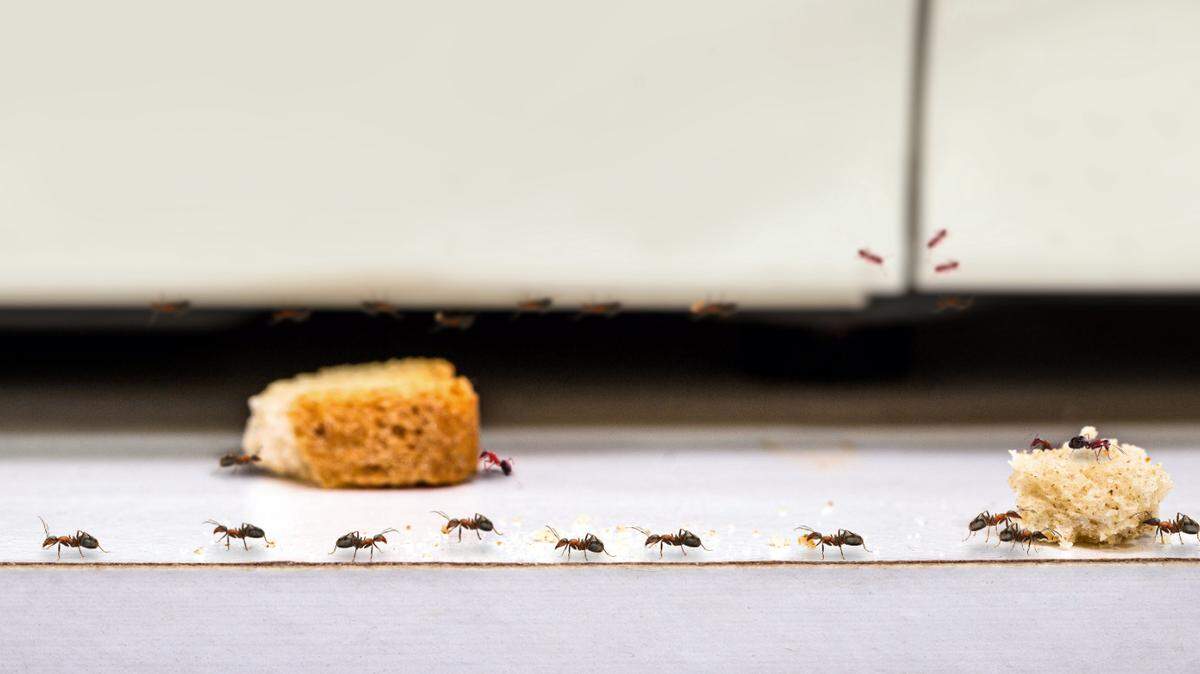
If you’re noticing an increase of ant infestations in your Kansas home this summer, two factors could be to blame.
According to Jeff Whitworth, entomology professor at Kansas State University, the high temperatures and rainy weather are two reasons you may notice more ants in your home this summer.
“Between about 65 and 75, 80 degrees [Fahrenheit is] a perfect temperature for them,” Whitworth said. “Once it gets to 90, 95 it gets too hot ... so they try and get out of the heat.”
Their escape from the heat could be your home, and while you may think the summer’s rainy weather would tamp down insects, that isn’t always the case.
“[Rain] doesn’t really drown ants,” Whitworth said. “They float really well, but it will push them out of their nests ... in the ground.”
If the rain gets too bad, Whitworth said the ants will move to someplace for shelter. Oftentimes they’ll feel cool air coming out of a window or a door and enter someone’s home through an opening.
But overall, an uptick in ant infestations isn’t something that’s considered strange for summer months.
“It’s nothing unusual, other than it’s that time of year we’ve had a lot of heat,” Whitworth said.
Ant activity usually begins in March or April and lasts until September or early October, depending on the weather. If you’re dealing with a colony marching through your home now, or are simply looking to prevent an invasion, here’s what you should know.
What types of ants are common in Kansas?
There are several different ant species in the state, Whitworth said, but there is one he gets calls on the most — the carpenter ant.
“The reason why is just because they’re oftentimes utilizing our house or our barn,” Whitworth said “They conflict with people a lot.”
Carpenter ants are one of the largest varieties in the state, according to one K-State publication. The smallest are usually a quarter of an inch long, while the queen can be as large as three-quarters of an inch. The ants build their nests in wood, usually decaying or soft wood.
The diet of the carpenter ant includes plant and fruit juices, animal remains, household food scraps and other insects. Homes that are surrounded by wooded areas are most likely to experience an infestation from this species.
Other ant species in Kansas include, according to K-State:
- Acrobat ant
- Big-headed ant
- Cornfield ant
- Harvester ant
- Larger yellow ant
- Legionary ant
- Little black ant
- Mound ant
- Spinewaisted ant
- Thief ant
Kansas is not home to red imported fire ants, Whitworth said. While they can sometimes appear after someone unknowingly transports a nest, the ants usually don’t persist in the state.
How do I prevent or get rid of ant infestations in my home?
While ant infestations are a nuisance, you shouldn’t be concerned about safety or your health if you have an ant issue.
“The [ants] we do have don’t carry any diseases,” Whitworth said. “They’re just more of a nuisance. They’re just there trying to clean up after us.”
This is why Whitworth doesn’t recommend killing the ants. Instead, the best way to get rid of them is disrupting their trail.
“If you really want to get rid of them, what you need to do is treat the nest site with the legal, approved insecticide,” Whitworth said. “If they’re not really bothering anything ... just find out where they’re going, coming from [and] disrupt that trail ... you may have to [repeat] two or three times, because they’re very persistent.”
The best way to keep an ant infestation from beginning in the first place is sealing possible openings to your home and removing food and clutter from your kitchen.
There are some other solutions you can try, as well. Here are some common household items that may help get rid of ants in your kitchen, from online publication HealthLine:
- Borax: mix with sugar and warm water. Saturate cotton balls with the mixture and place them around the areas you see ants.
- Glass cleaner and detergent: mix the two and spray on areas where you see ant activity.
- Black or red pepper: sprinkle behind appliances and on baseboards.
- Peppermint: spray on baseboards and possible openings in your home.
- Lemon eucalyptus oil: saturate cotton balls and place them around common places you see ants.
- White vinegar: mix with water and clean areas where you see ant activity.
- Lemon juice: spray around trails to deter ants’ scents.