Is it legal for KS businesses to refuse cash or coin as payment? What the law says
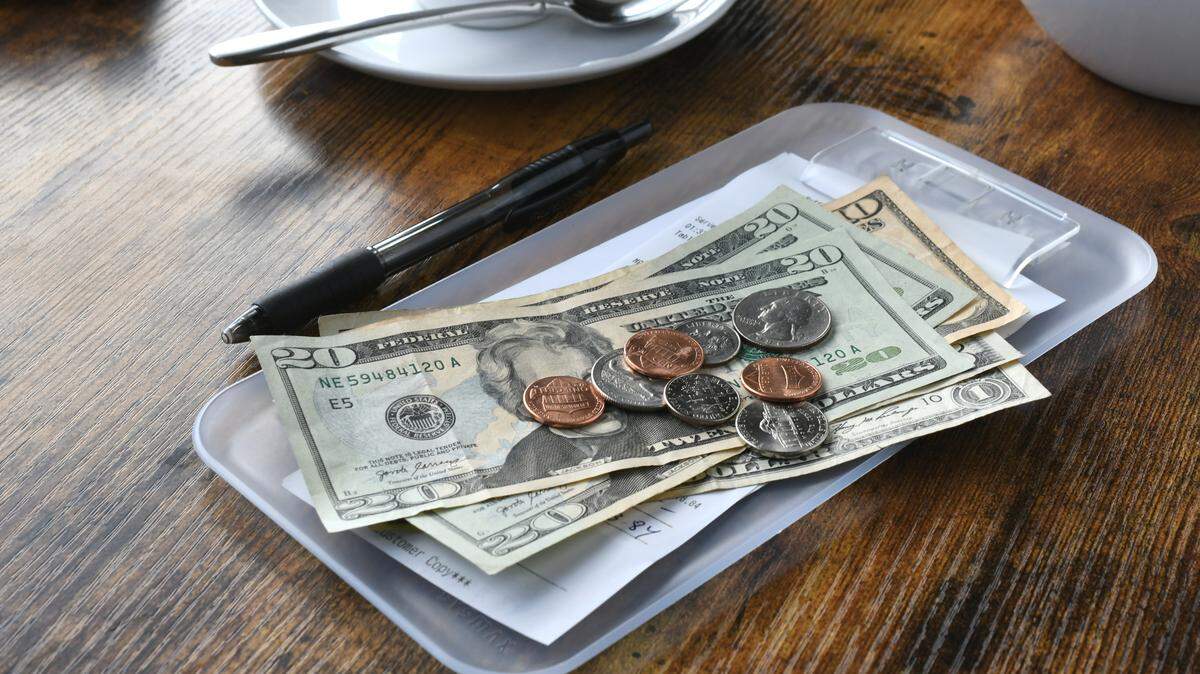
It’s been five years since the first COVID-19 cases were confirmed in the U.S., and while day-to-day life may seem pretty much back to normal, some changes have stuck around.
Moving to a cashless system was one way businesses tried to protect themselves from possible exposure to the virus during the early stages of the pandemic. Cashless payments have continued to grow in popularity since. According to a report from the Federal Reserve Bank of San Francisco, cash accounted for just 18% of payments in 2022.
What happens to those who only have cash or coin on hand? Is a business allowed to deny your cash in Kansas? We spoke with Casey Johnson, the director of advocacy and litigation with the Kansas Legal Services on the topic.
Does federal law require businesses to accept cash?
There is currently no federal law that requires businesses to accept cash as payment for goods and services, but there is one exception.
“Businesses do have to accept cash for debts already owed, but they don’t have to accept it in return for ... goods,” Johnson said.
Section 13 U.S. Code 5103 says coins and currency in the U.S. are “legal tender” for debts, taxes, dues and public charges.
In 2021, federal lawmakers introduced the “Payment Choice Act,” which would have required businesses accept cash as a form of payment, no matter the business’ preferences, but the bill never became law.
“A lot of this came up ... due to COVID,” Johnson said.
Does Kansas law require businesses to accept cash?
While there are some states that have passed state-specific laws, Kansas is not one of them and businesses are not required to take cash or coin.
States that have passed laws to prohibit companies from denying cash include Georgia, Colorado and New Jersey. Some cities, like New York City, have passed local restrictions, as well.
Johnson said he hasn’t heard of a time where Kansas has tried to pass laws requiring businesses to accept cash payments.