Can minors get tattoos, piercings in Kansas? What to know about parental consent
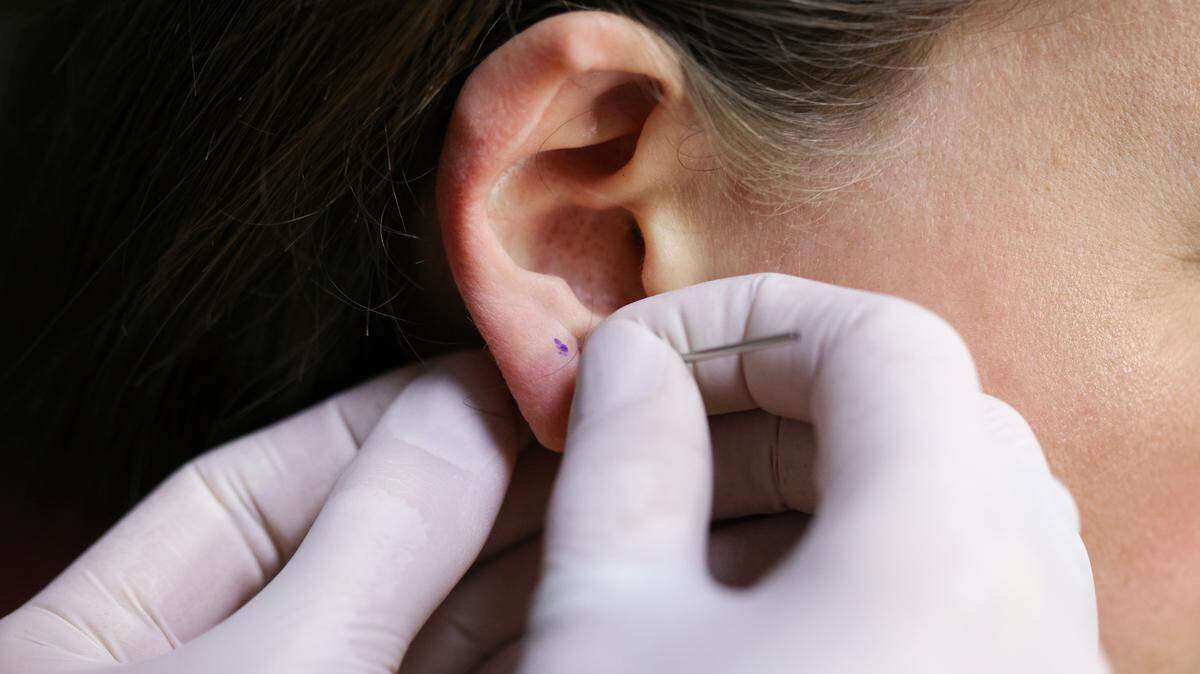
You’ve probably heard the term “age is just a number” more than once, and while some people live by that, some laws don’t agree.
In the U.S., you’re not considered a legal adult until you turn 18. Once you do, some age restrictions are lifted, but other privileges wait until you turn 21, like purchasing alcohol. What about a personal choice, like piercings and tattoos?
According to Kansas law, you cannot get a piercing or tattoo under the age of 18 without a parent or guardian’s consent, and it has to be presented in written form.
“No person shall perform body piercing, cosmetic tattooing or tattooing on or to any person under 18 years of age without the prior written and notarized consent of the parent or court appointed guardian of such person,” Kansas statute 65-1953 reads.
In addition, the parent or guardian that gave consent has to be present when the piercing or tattooing is taking place, and the paper giving consent has to be kept by the service provider for at least five years, according to the statute.
According to Michael Hilleary, a lawyer with the Kansas Legal Services, the notarized consent requirement is actually unusual.
“They ask for notarized consent from the parents, which is not something they do in other contracts,” Hilleary said. “You don’t need the notarized consent of a parent to open a bank account, necessarily, even though, I mean, obviously ... the bank would probably seek the parent’s consent ... but there’s not a law that says that.”
The body modification service provider could face penalties if they give tattoos or piercings without parental consent, and it is considered a Class A misdemeanor in Kansas.
“A class A misdemeanor is usually just money,” Hilleary said of the outcome of such charges.
The youngest age you can get a tattoo with parental consent in Kansas is 16.
What other legal age restrictions are in place in Kansas?
One huge thing that changes when you turn 18 is your responsibility, Hilleary said.
“When you become an adult, when you when you pass that magical day, you become totally responsible [for] yourself,” he said.
When you turn 18 in Kansas, you are not only now able to vote, but you can also get called for jury duty, among other civic duties.
Anyone older than 18 can also legally get married without parental consent in Kansas, though 16- and 17-years-olds can apply for a marriage license with guardian consent. Anyone younger than 16 cannot get a marriage license in Kansas.
Additionally, people who turn 18 can enlist in the military, sign legal contracts, file lawsuits without parent aide, give consent for medical treatments and more. Anyone age 18 and older who commits a crime is charged as an adult.
Hilleary’s biggest piece of advice for new adults? Check your mail.
“I have people come in and talk to me every day with, like, debt collections cases or things like that, and they’re like, ‘I never got any mail like this.’ And [I’ll say], ‘do you open your mail?’” Hilleary said.
“You have a responsibility to be checking your mail, to be updating your mailbox with the local post office, forwarding your mail, being aware of ... counties in which you may have possession.”
Alcohol laws do not allow anyone younger than 21 to legally drink, purchase or possess alcohol. However, in Kansas, minors can drink a cereal malt beverage if approved by the guardian, who also has to supervise.
Kansas law also allows those under the age of 21 to drink wine if its in the context of a religious act or service.