
Kansas ranked among the worst states for working in the U.S. Here’s why
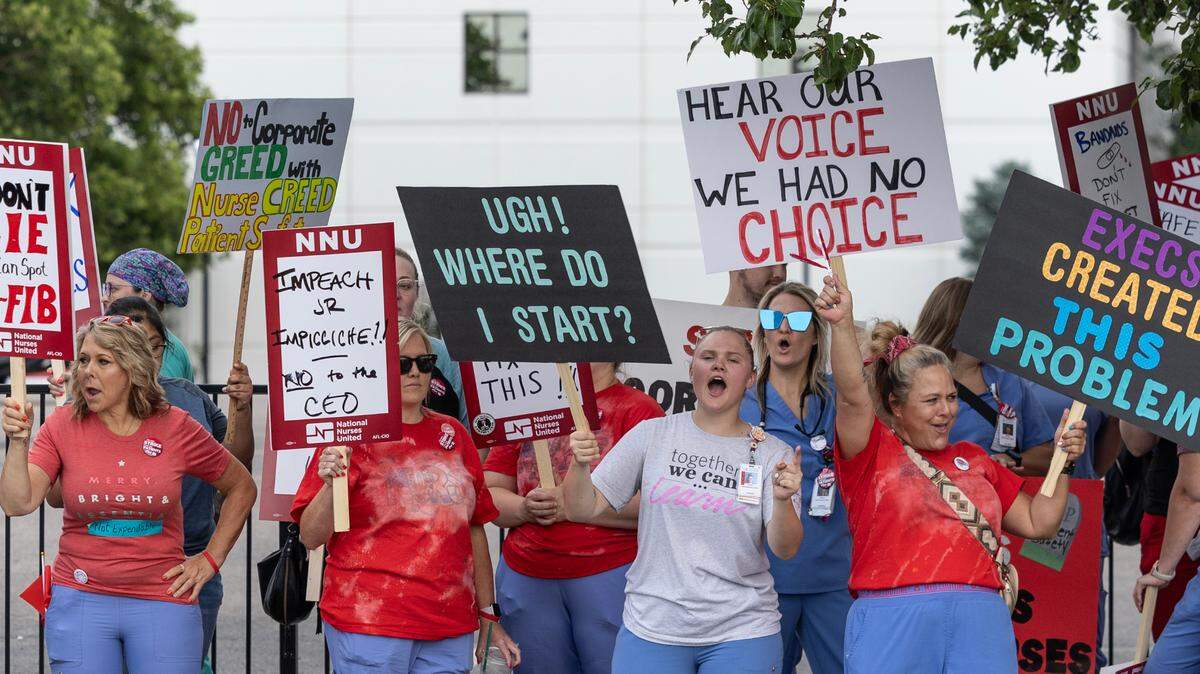
The anti-poverty nonprofit Oxfam has released new rankings measuring which states are the best for workers in the U.S. — and Kansas didn’t fare well.
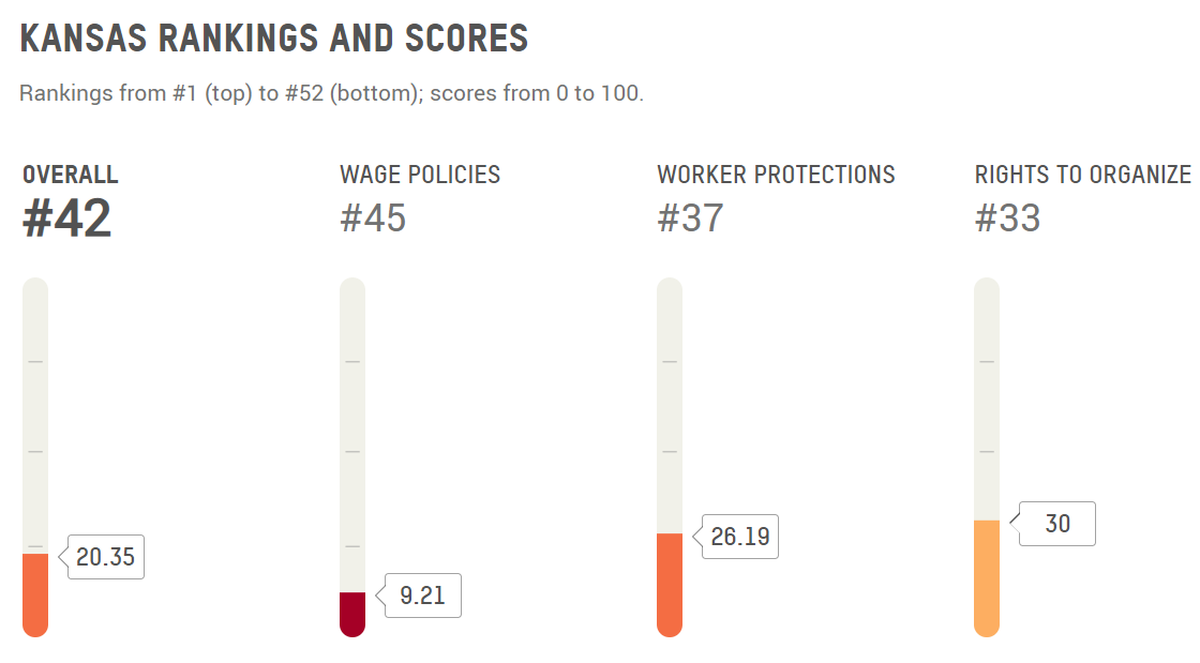
Kansas ranks 42nd in the nation for pro-worker policies in the report. The rankings combine scores on state-level wage policies, worker protections and the right to organize.
Here’s a closer look at the state policies that affect workers in Kansas.
What policies govern wages in Kansas?
Kansas ranks extremely low on wage policies, coming in at 45th out of 50 states, plus Puerto Rico and Washington, D.C. Kansas’ tipped minimum wage is just $2.13 per hour, and its full minimum wage is at the federal minimum of $7.25 per hour.
Kansas’ minimum wage covers less than 20% of the cost of living for an average family of four, the report finds. According to the MIT Living Wage Calculator, even a single adult with no children must make at least $20.35 per hour to cover basic necessities in Kansas — far higher than the current minimum wage.
Since Kansas prohibits localities from setting their own minimum wages above the state standard, it can make it difficult to afford the cost of living in the states’ more expensive areas.
What protections do workers have in Kansas?
Oxfam ranked states based on 16 criteria for worker protections that are enshrined in state laws. They included paid family and sick leave policies, regulations around shift scheduling, heat protections for outdoor workers, and equal protections for farm and domestic workers, who are often excluded from labor laws.
Kansas met three of the 16 total criteria, landing it in a tie with Missouri for 37th place on the overall ranking for worker protections.
Kansas has three types of listed protections: It mandates equal pay across race and gender, provide some form of sexual harassment protection in state laws and regulate child labor.
However, the rankings don’t rate the effectiveness of these legal protections, leaving their impact on workers up to interpretation. The ranking merely records whether some protections exist on the books — not how robust they are or how well they’re enforced.
What organizing rights do workers have in Kansas?
Both Kansas landed in the bottom half of Oxfam’s rankings for labor organizing rights.
Kansas ranks 33rd out of 52 jurisdictions for organizing rights. While it provides collective bargaining rights to teachers and some other public workers, it does not protect workers from retaliation for wage theft or ensure fair wages to contracted workers.
Perhaps most importantly, Kansas is a “right-to-work” state, meaning employees can’t be compelled to pay union dues even if a union represents and protects their interests in the workplace. Kansas is one of 26 states with these laws, which are generally seen as hurting labor unions.
This story was originally published September 5, 2024 at 6:00 AM with the headline "Kansas ranked among the worst states for working in the U.S. Here’s why."
.jpg)