It’s tarantula season in Kansas. Here’s what to do if you spot a huge spider
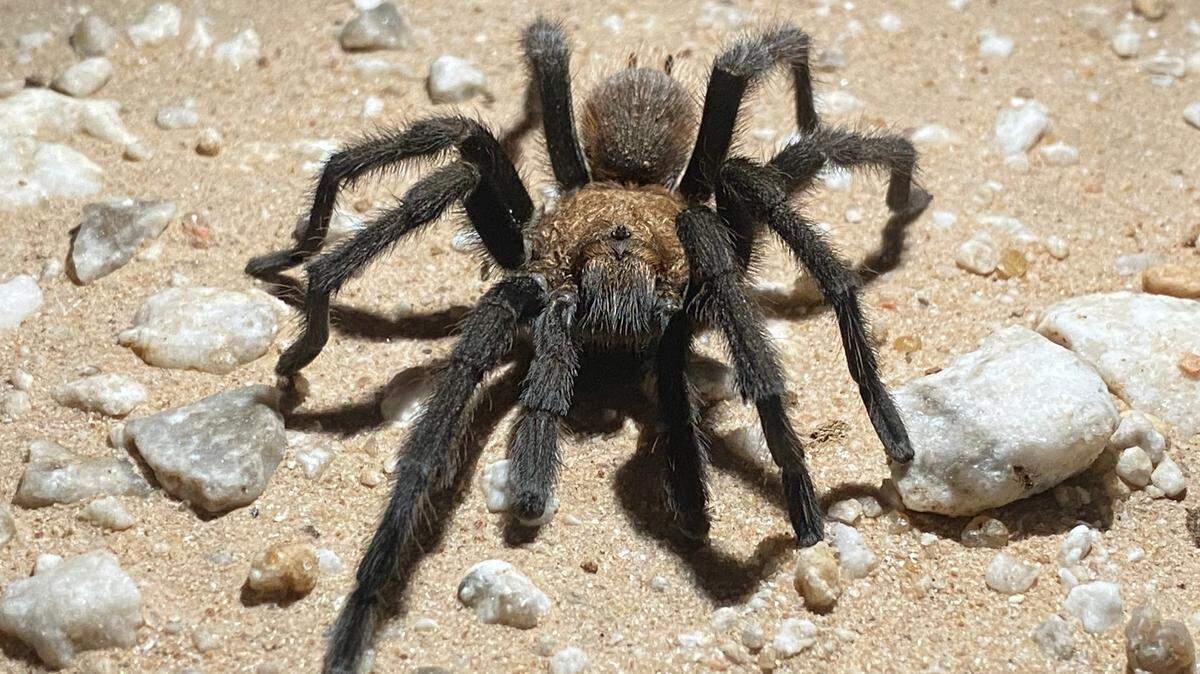
The tarantula crossed the road, and it wasn’t just to get to the other side. In late August and early September, Texas brown tarantulas are especially active in Kansas as they seek out mates.
These insect-hunting spiders hide in states from Arizona to Arkansas.
Whether you want to see a tarantula yourself or stay away from the maligned creatures, here’s what you need to know from the Missouri Department of Conservation and the Kansas Department of Wildlife and Parks.
Why are the Texas brown tarantulas out and about now?
Kansas tarantulas are more active in late summer and early fall because they need to find a mate, Daren Riedle with the Kansas Department of Wildlife and Parks told The Wichita Eagle last year.
Male tarantulas venture out to find their female counterparts, who Riedle described as “homebodies.”
Reports from nonscientists back this up. These tarantulas are most commonly observed in early September and mid-May.
Where are tarantulas found?
The Texas brown tarantula lives from Texas through Oklahoma and Arkansas, into the southern parts of Kansas and Missouri. They prefer to stay in rural areas, away from humans.
Tarantulas make their homes in rocky, dry areas by either digging underground burrows, or taking over abandoned ones from rodents or reptiles.
How do I identify a Texas brown tarantula?
As their name suggests, these tarantulas have a dark brown color and their bodies are usually between 1.5 and 2 inches long, not counting the legs. Their body and eight legs are covered with hair.
Do tarantulas attack?
Usually tarantulas are shy, so they don’t tend to approach humans. Tarantulas hunt their prey, unlike other spiders that spin webs to catch food.
What if I get bit?
Like most spiders, Texas Brown tarantula fangs are venomous. But that venom does not have a big effect on humans — tarantula bites are often compared to bee stings.
A few hours after a tarantula bite, some people develop symptoms including rashes, swelling, trouble breathing and rapid heart rate. You should get medical attention if this happens to you, according to Healthline, an online medical resource.
This story was originally published August 24, 2024 at 12:00 AM with the headline "It’s tarantula season in Kansas. Here’s what to do if you spot a huge spider."