Who can drink beer on a boat? Here’s what Kansas law says about boating and drinking
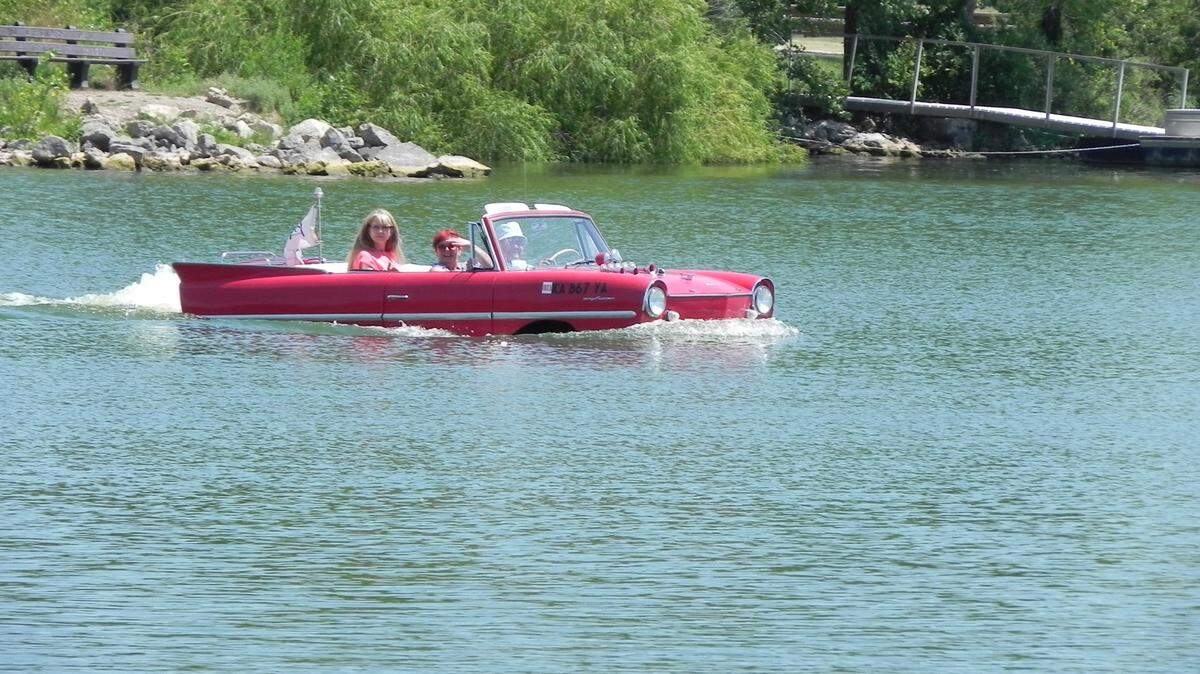
Lakes and reservoirs across Kansas are filled with boats during this time of year, as residents find ways to enjoy the summer sun.
A cold beer or sweet piña colada might sound nice while you’re behind the wheel of a boat, but is it legal for you to drive a boat and drink in Kansas? Are the laws the same as they are in Missouri? Here’s what to know.
Can I drink and boat in Kansas?
It’s legal for passengers to enjoy a cold beverage on a boat, but the driver must stay sober while they’re driving.
It’s illegal to be under the influence of alcohol or drugs while operating a vehicle on Kansas waters, according to the Kansas Department of Wildlife and Parks. Penalties for a conviction of boating under the influence include fines of up to $500 and jail time for up to a year.
If your blood alcohol level is .08 or more or if you’ve used drugs, you’re considered to be under the influence and aren’t legally allowed to drive a boat. It’s the same limit as if you were driving a car.
It’s illegal for someone under 21 to drink, but if they have, they can’t drive the boat if their blood alcohol level is .02 or more.
It’s also illegal for anyone to water ski, surfboard or tube while under the influence.
By driving a boat on Kansas waters, the department says you have consented to be tested for alcohol or drugs if a law enforcement officer asks. If you refuse a test, you will lose your ability to operate a boat for three months.
You will have to complete an approved boater education program to be able to drive a boat again.
Do you need a license to drive a boat?
You don’t need a boating license to drive a boat in Kansas, but the department says anyone born after Jan. 1, 1989, must be able to pass boater education courses to earn a certificate.
There’s no age limit on who can take Kansas’ boater education courses, so they’re open to anyone, but people who take the classes must be able to follow and understand the course material.
There are also no age requirements on who can drive a boat.
“Any person under the age of 21 who wishes to operate a vessel designed to be propelled by a motor or sail (motorboat, PWC, sailboat, sailboard) without being under direct and audible supervision must complete an approved boater education course,” the department says.
Boat drivers between the ages of 12 and 20 and must complete an approved boater education course before driving without direct supervision. No one under the age of 12 can drive unless they’re under direct supervision, even if they’ve completed the education courses.
The supervising adult must be at least 18 years old and have completed a boater education course or be over the age of 21.
While younger drivers will need supervision to operate a motorboat, there is no minimum age to drive a sailboat if the person has completed an approved boater education course, the department says.
Why can’t you drink and drive a boat?
Drinking and driving a boat is so dangerous because it disrupts your balance and ability to focus, among other things.
When a boater or passenger drinks, the following happens, according to the U.S. Coast Guard’s Boating Safety Division:
Cognitive abilities and judgment deteriorate. This makes it tougher to process information, assess situations and make good decisions.
Physical performance deteriorates. People have problems balancing and take longer to react.
Your peripheral vision, depth perception and night vision worsen. It becomes harder to focus and distinguish colors.
Inner ear disturbances can make it impossible for a person who falls into the water to tell up from down.
Alcohol creates a sensation of warmth — that could prevent someone in cold water from getting out before hypothermia sets in.
A driver with a blood alcohol concentration above .10 is 10 times as likely to die in a boating accident than a driver who’s sober, according to the U.S. Coast Guard.
Alcohol is a contributing factor in around 27% of all fatal boating crashes.
“Alcohol is even more hazardous on the water than on land. The marine environment motion, vibration, engine noise, sun, wind and spray accelerates a drinker’s impairment,” the U.S. Coast Guard’s Boating Safety Division said in a blog post. “These stressors cause fatigue that makes a boat operator’s coordination, judgment and reaction time decline even faster when using alcohol.”
This story was originally published June 18, 2024 at 6:30 AM with the headline "Who can drink beer on a boat? Here’s what Kansas law says about boating and drinking."