What is a flamingo doing in the Flint Hills? We asked experts about the Kansas sighting
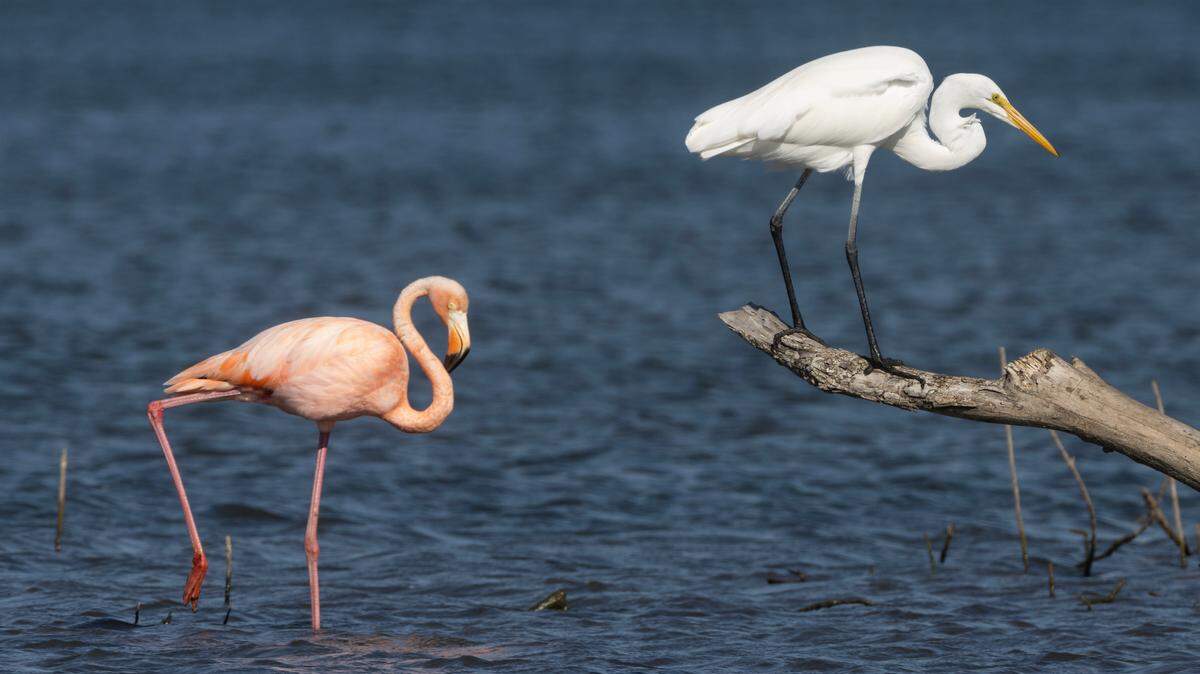
If you take a visit to the Chase State Fishing Lake anytime soon, you might be surprised to see an unusual sight.
Hanging out in the shallow water of the lake, located in Cottonwood Falls, is a flamingo, catching the eye of photographers and people just walking by.
Brent Konen, Chase State Fishing Lake property manager, said he first heard reports of the rare bird Wednesday.
“I’ve been monitoring to see if it continues to be reported by visitors, and at least as of this morning, there were new reports that it was still there,” Konen said.
The visit from the flamingo has led to a steady number of visitors.
“There’s been a fairly consistent interest [and] traffic,” Konen said Monday. “Folks stopping by for an hour or two maybe, or even less in some cases, and just watching and taking pictures ... visitation has definitely increased.”
Wildlife photographer Bob Gress, who is also a former director of the Great Plains Nature Center, said the bird hanging out in the same area since Wednesday is a rare occurrence.
“What’s also somewhat rare is that it’s still there,” he said. “I mean, it showed up first on Wednesday and now here it is on Monday, and it’s still there.”
Mike Rader, wildlife education supervisor for the Kansas Department of Wildlife and Parks, said that the Chase State Fishing Lake is actually a good habitat for the flamingo.
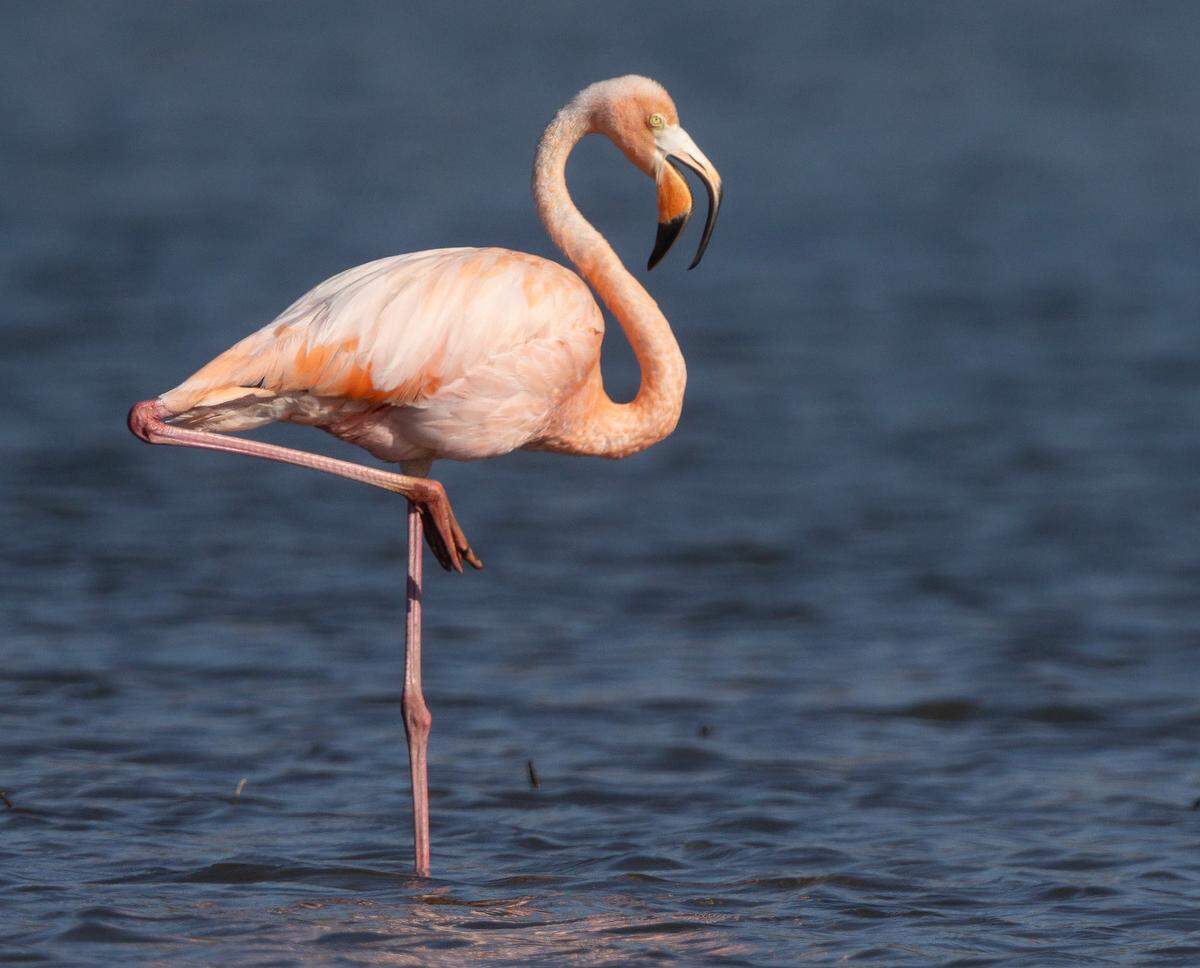
“The water is shallow and the flamingo has been successfully able to feed there,” Rader said. “They feed on a lot of different things, like algae and crustaceans and things like that. So it’s finding something to eat for now.”
Rader said if you go out to view the flamingo, it’s important to watch from a distance and give the flamingo space. However, you should probably head out before temperatures in the area get cooler toward the end of the week, Gress said.
“I would be a little surprised if it stuck around,” Gress said. “I would imagine we get some cold wind from the north and it’s blowing to the south, my guess is that bird will take off.”
What’s a flamingo doing in Kansas?
American Flamingos are usually found in the Caribbean and Central and South America. While they used to breed occasionally in Florida, Rader said now even a Florida sighting is considered uncommon.
So this all begs the question — why is a flamingo in the Sunflower State?
While it’s not confirmed, experts are speculating the flamingo ended up in Kansas due to Hurricane Idalia.
“This particular [occurrence] is a little unusual ... just because there’s quite a few of them,” Gress said. “I mean it was into the hundreds of them that made it up here. But most of them never got out of Florida, but a few of them did move north, and they’ve really scattered around.”
The particular sightings in states across the US, including Maryland, Wisconsin and Missouri, are believed to have come from the Yucatan Peninsula.
“Apparently there’s been at least one or maybe two birds in Florida that have been observed to have bands from that breeding colony,” Rader said. “So that’s where they think a lot of birds may have came from.”
Rader said while it does happen, flamingos aren’t usually one of the species that get displaced due to a hurricane. As for this specific flamingo, there has been some evidence it was also spotted in Ohio last month.
“Comparing photographs of one of the birds in Ohio and this bird, and there’s pretty good evidence that this may be one of the birds that was in Ohio in the first part of September, so it may have flown from Ohio to here,” Rader said.
How to keep track of bird sightings in Kansas
If you’re interested in keeping up with Kansas’ newest bird visitor or any other rare bird sightings in the area, you can do so through the Kansas Rare Bird Alert on ebird.org.
The website shows confirmed and unconfirmed reports of rare birds in the state over the last seven days. The most recent sighting of the American Flamingo is from Monday a little after 7:30 a.m.
The last confirmed report of a flamingo in Kansas was in 1972, while the first report of one in the state was in the fall of 1928, according to Rader.