High heat can bring snakes slithering to your Wichita door. Don’t panic, do this instead
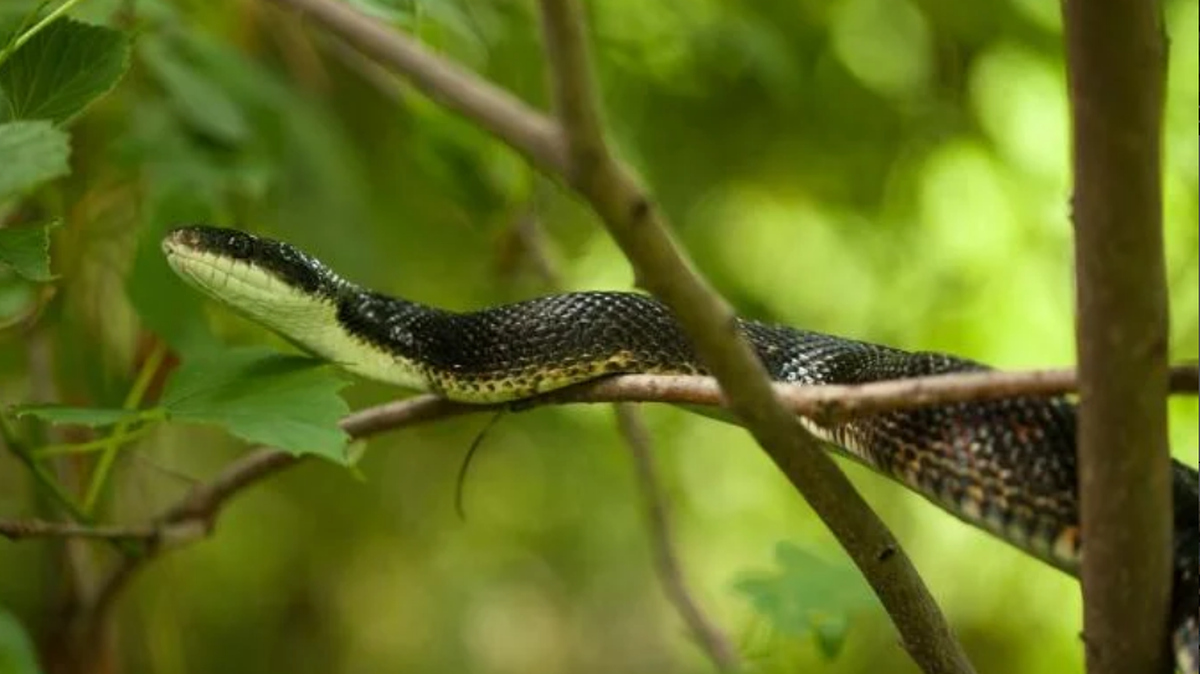
While Wichita continues to experience triple-digit temperatures this week, humans aren’t the only ones trying to escape the heat.
If you notice a snake near your door — or worse, already hiding out inside — that’s because they’re attracted to the cooler temperatures, said Daren Riedle, wildlife diversity coordinator with the Kansas Department of Wildlife and Parks.
“They’re seeking out places that are cooler ... or that may have water, for instance. So if you’re watering a garden or watering your lawn, they could come in in those situations,” Riedle said.
With high heat, snakes will be looking for water sources just like other kinds of wildlife.
“I removed a very large bull snake from my neighbor’s yard [a couple years ago] that was drinking directly from a sprinkler, so it must’ve been pretty thirsty,” Riedle said. “If you’re doing anything that either directly or indirectly makes your yard attractive to wildlife, water being a biggie this time of year, it will bring different critters, including snakes, in.”
If you have seen snakes around your yard, make sure to keep your doors closed to help prevent them from finding an easy path inside.
Riedle said if you do find a snake, it’ll most likely be a smaller species, like ring-necked snakes and Texas brown snakes.
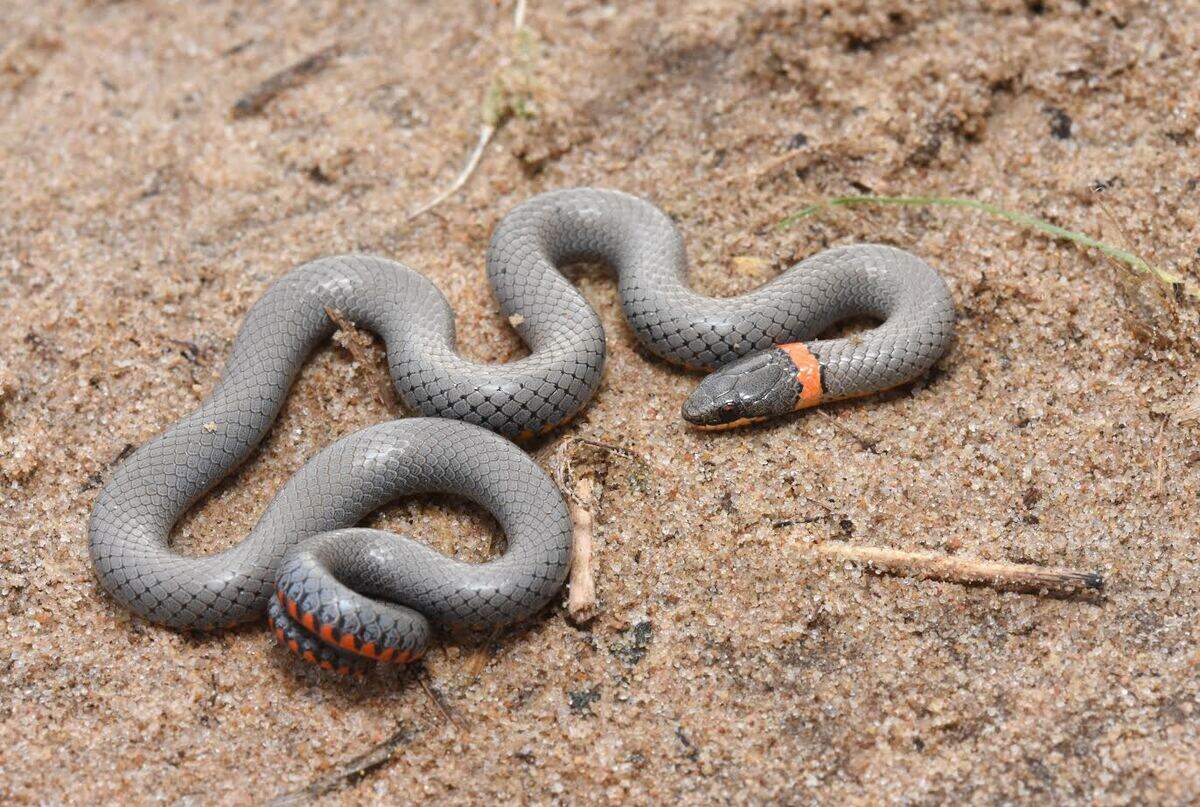
Ring-necked snakes reach around 8 to 14 inches in length. They can be identified by their black body and the orange ring around their neck. They also have an orange-yellow belly.
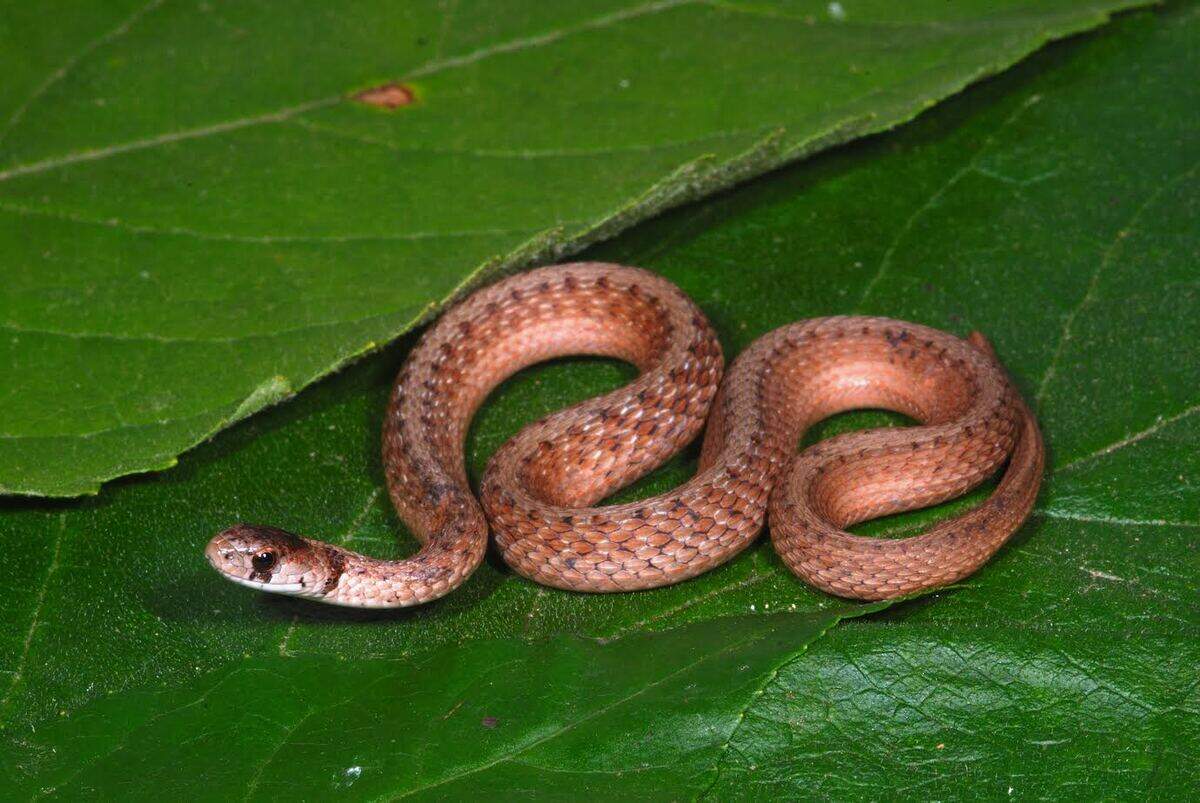
Texas brown snakes, on the other hand, usually grow more than 11 inches in length. They have reddish-brown bodies and brown spots around their eyes.
“They’re really common in and around gardens and flower beds. If you water those pretty heavy, you’ll have a lot of earthworms and insects and grubs, which is the ideal food for those smaller species,” Riedle said. “And it’s easy for them to remain undetected so they kind of fly under our radar.”
As for bigger snakes, Riedle said the most common species he gets calls about is the western rat snake.
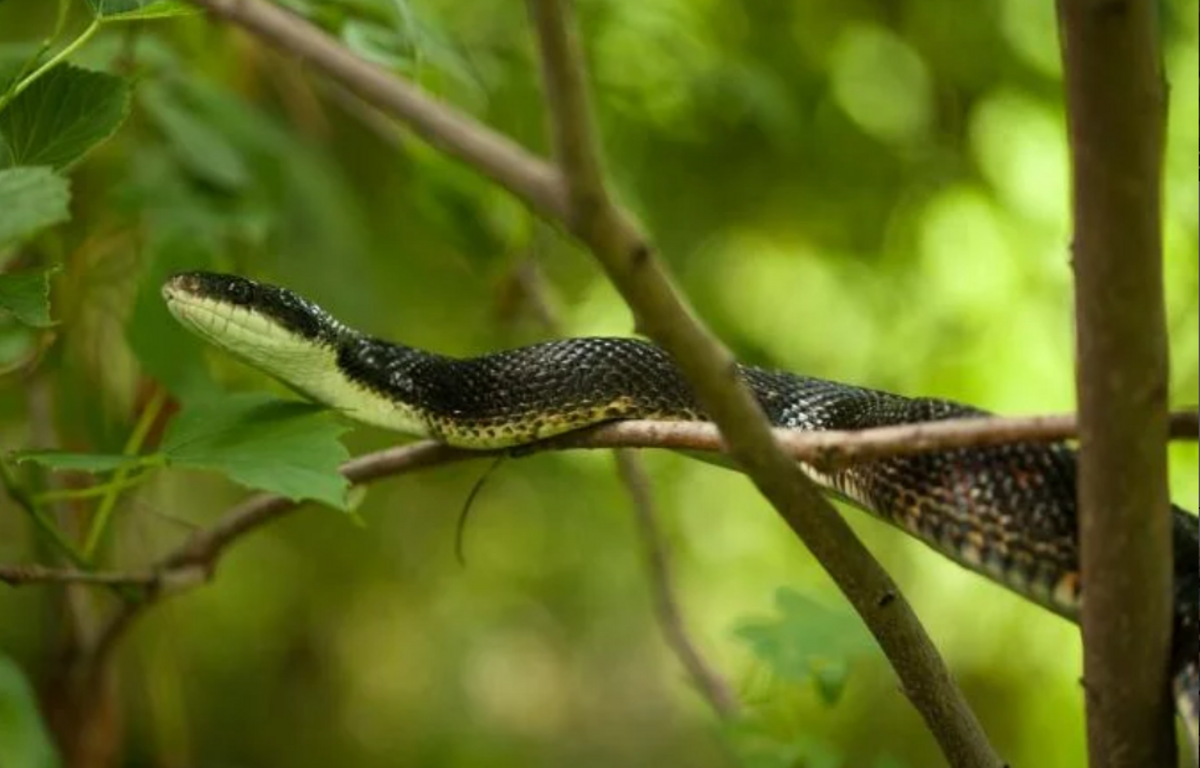
The western rat snake, also called the black rat snake, can reach up to 6 feet in length. Adults are a glossy black color with a white throat, lips and chin. Juveniles look different, with a brown, blotched pattern.
While venomous snakes aren’t as common, there is still a small possibility you could see one, Riedle said. Those types are most common in Johnson and Wyandotte counties.
The broad-banded copperhead and the western massasauga are two venomous snake species in the area.
How to get snakes out of your home
Most snakes are harmless, so if you see one near your doorstep or inside your home, try not to be alarmed.
“It can be a shock to see one in your house, the big thing is ... don’t overreact and make yourself trip or fall down or anything like that,” Riedle advised.
Riedle said all you need to do is sweep the snake into a trash can or bucket and release it back outside.
“For them to get into a house .... is a one time deal, especially if your harass them or stress them out like you would if you’re sweeping them into a trash can. They’re not likely to come back [inside] in most cases, unless you have something really attractive to them,” he said.
Another common way for snakes to get trapped close to the home is through glue traps. Riedle said it’s somewhat common for small snakes and lizards to get stuck on them.
“A lot of times you can [put] anything with oil on it, like peanut butter and olive oil, will help dissolve that sticky glue and you can remove them from there,” he said.
There are also ways to make your yard less attractive for snakes to visit. Pest company Terminix recommends clearing your yard of any clutter and cutting your grass short to eliminate areas where snakes could hide.
You should also check your property for possible entry points, looking for cracks and holes that snakes could slither through and enter your home. Be sure to check basement windows are fully closed, as that’s another likely way snakes could find their way in.