This tiny native fish is disappearing; Kansas wildlife officials are working to save it
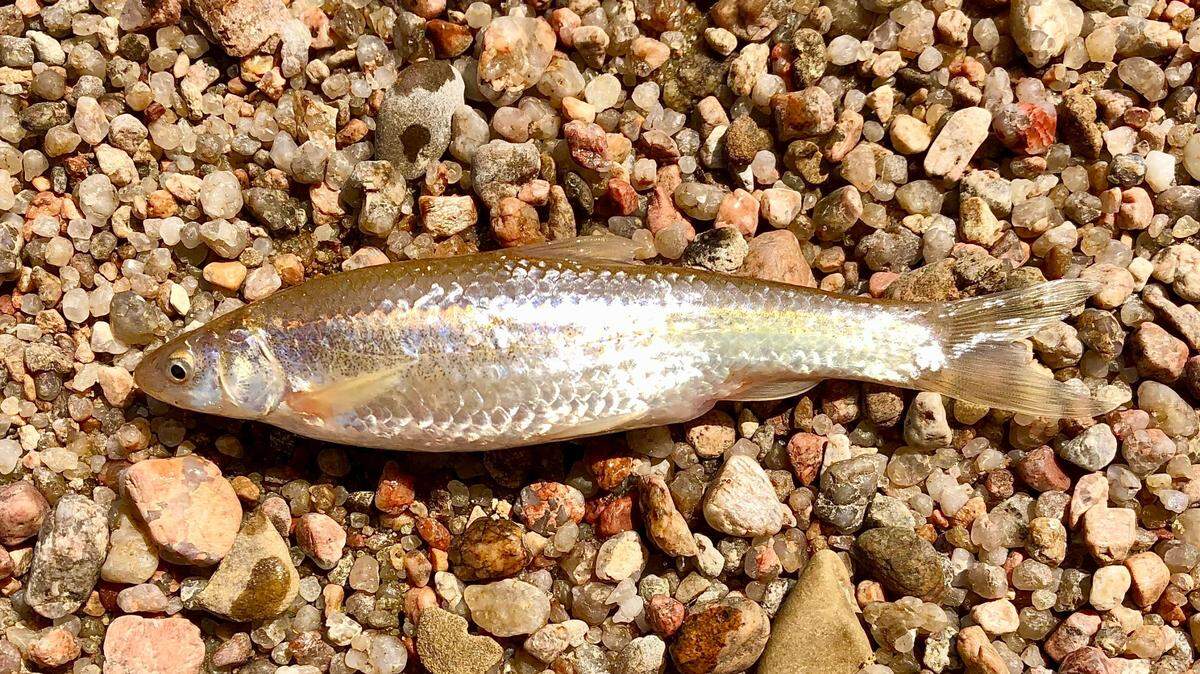
A tiny, threatened minnow disappearing from Kansas waterways has garnered attention from state officials hoping to help reintroduce the species to the Arkansas River.
The plains minnow, which is native to the Arkansas River, has become hard to find in Kansas. With a short lifespan, the minnow is usually 5 inches long and has thin lips and small eyes, according to the department.
National Geographic reports a species is considered endangered when “its population has declined at least 70 percent and the cause of the decline is known.” Species are given the “threatened” label when they are at risk of being endangered. The Kansas Department of Wildlife and Parks lists 30 species as threatened and 22 as endangered in the state.
The plains minnow used to be the most common bait fish species, according to the KDWP, and was one of the most common fish overall. Now, the population is drastically reduced if not altogether vanished from the area.
“The Ark River actually doesn’t have a strong population of them, we’re all kind of up in the air of whether they’ve been completely eliminated or not,” said Mark VanScoyoc, a biodiversity survey coordinator and ecologist with the state agency.
There are multiple factors at play when it comes to the minnow’s threatened status, one of them being the drought-like conditions the area continues to face.
“If you have a drought that lasts four to five years like we have had here in the past decade and a half, it’s easy to do the math and see a fish with a three- to four-year lifespan might potentially be struggling to really survive as a population,” VanScoyoc said.
Kansas has been under an ongoing drought for more than a year. While the transition to an El Niño weather pattern this summer could give the state some relief, forecasters still expect the drought to continue.
The U.S. Drought Monitor reports the majority of the state is seeing drought-like conditions as of June 20, with a large chunk of Sedgwick County in the “exceptional drought” category and the rest under “extreme drought.”
Two other endangered fish species the department has focused on is the Arkansas River shiner and the peppered chub. However, the shiner is presumed extinct in the state, and the last time a peppered chub was seen was in 2013, VanScoyoc said. The shiner was last seen more than 31 years ago, but will remain on the endangered list until it hasn’t been seen for 35 years.
With the status of those species bleak, the department has focused recovery efforts on the plains minnow. The recovery plan includes two main focuses.
“Part of that, hopefully, is No. 1 to really do our best to be good stewards of the land and really encourage that among our landowners,” VanScoyoc said. “And also working with other states where the plains minnow occurs.”
According to the U.S. Geological Survey, the plains minnow is native to the Missouri, Arkansas, Red, Brazo and Colorado River drainages. The minnow is native to parts of Texas, Oklahoma, Kansas, New Mexico, Colorado, Nebraska, Wyoming, South Dakota, North Dakota and Montana.
VanScoyoc mentioned Colorado, which opened a fish hatchery for the plains minnow and has reintroduced some to the Arkansas River. Kansas followed Colorado’s lead and also opened a hatchery with the same goal.
“We in Kansas have kind of tried to replicate that process,” VanScoyoc said of the effort. “In southeast Kansas, we have a fish hatchery that just came online here in about 2018 ... We’ve done a lot of collaboration with Colorado basically saying, ‘Hey, OK, you guys did plains minnows over there, how did you do that?’”
How to help threatened and endangered species in Kansas
Fortunately, there are ways you can help threatened and endangered species in Kansas, according to Daren Riedle, the department’s wildlife diversity coordinator.
The easiest way is to build sustainable habitats. Riedle said Kansas is a good state when it comes to “environmentally minded landowners.”
“We need cattle, we need crops, but we also, to the extent possible, [we need to] try to manage these properties in the habitat for the native species to maintain the wildlife that we have,” he said.
Creating a friendly habitat can start in small ways with your own property, like adding a pollinator garden to attract insects.
Other ways to create a friendly habitat include, from the National Humane Society:
- Have a source of water
- Plant native plants as natural food sources
- Don’t use chemicals that can be harmful to wildlife
- Let part of your lawn grow out to become a better habitat
- Use yard debris to create an area for wildlife to shelter
There are also organizations dedicated to conserving specific species, like Chickadee Checkoff.
“People can donate funds either through their state income tax, or we have the website online,” Riedle said, “and that money goes actually goes to wildlife research and conservation.”
Chickadee Checkoff also has worked on numerous projects, like building nest boxes and creating an outdoor habitat for the small bird.
The state agency is also constantly looking for ways to include public input, Riedle said.
“We try to work with the public and provide opportunities for [them] to contribute when they can,” he said.
Threatened and endangered species in Kansas
Here’s a list of threatened and endangered species in Kansas, from the state Department of Wildlife and Parks:
Threatened species
- Eastern spotted skunk
- Northern long-eared bat
- Blackside darter
- Flathead chub
- Hornyhead chub
- Neosho madtom
- Plains minnow
- Redspot chub
- Shoal chub
- Sturgeon chub
- Topeka shiner
- Western silvery minnow
- Piping plover
- Snowy plover
- Butterfly mussel
- Delta hydrobe
- Flutedshell mussel
- Ouachita kidneyshell mussel
- Rock pocketbrook mussel
- Sharp hornsnail
- Eastern narrowmouth toad
- Eastern newt
- Green frog
- Green toad
- Longtail salamander
- Strecker’s chorus frog
- Broadhead skink
- Checkered garter snake
- New Mexico threadsnake
- Northern map turtle
Endangered species
- Gray bat
- Black-footed ferret
- Pallid sturgeon
- Peppered chub
- Arkansas River shiner
- Sicklefin chub
- Silver chub
- Least tern
- Whopping crane
- American burying beetle
- Elktoe mussel
- Ellipse mussel
- Flat floater mussel
- Mucket mussel
- Neosho mucket mussel
- Scott optioservus riffle beetle
- Rabbitsfoot mussel
- Slender walker snail
- Western fanshell mussel
- Cylindrical papershell mussel
- Cave salamander
- Grotto salamander
This story was originally published June 29, 2023 at 6:00 AM.