Why haven’t KU, others returned hundreds of Native American remains to Kansas tribes?
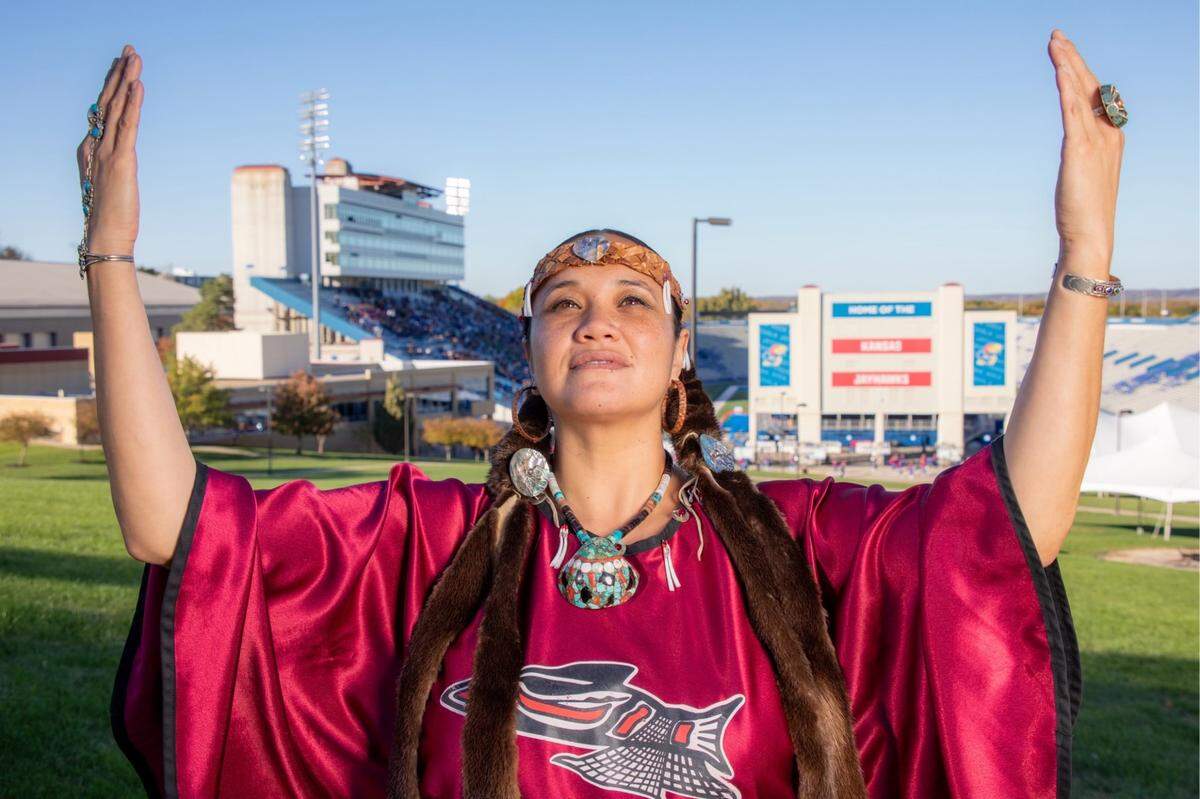
Shortly after the bones of Native Americans were found in storage on the University of Kansas campus, graduate student Tweesna Rose Mills stopped near the building to lay down some tobacco and say a prayer for their spirits.
For decades, the university has kept the remains even though federal legislation requires KU to return them to tribes. The Lawrence school holds one of the largest collections in the state.
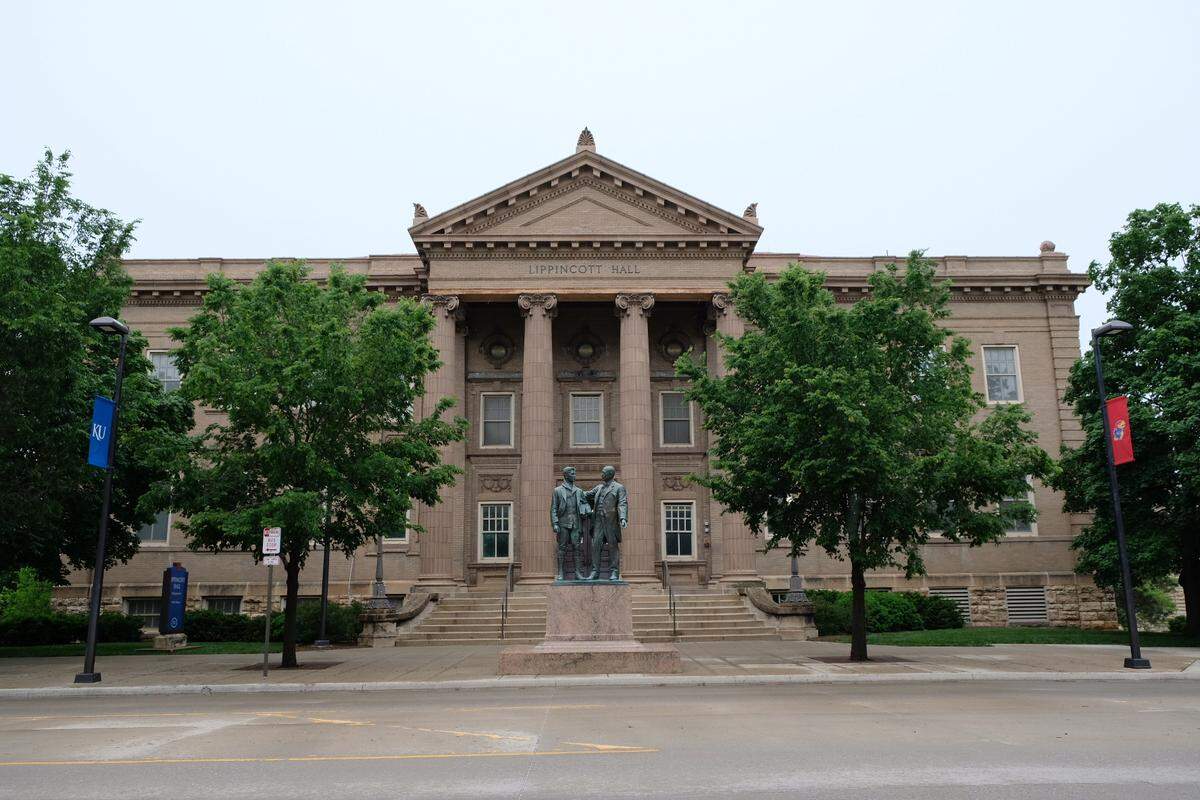
Mills, a member of the Shoshone-Yakama-Umatilla Nations and at the time co-chair of the First Nations Student Association, said she was not surprised by the remains’ rediscovery last year in the Lippincott Hall Annex and other campus buildings.
“This is just another thing we need to move forward with,” she said.
Others expressed outrage and called on the university to answer questions about how this could have happened.
“I was extremely angry,” said Kansas Rep. Christina Haswood, a Lawrence Democrat and member of the Navajo Nation.
She doesn’t believe KU or other institutions across the country are acting in good faith to fulfill the Native American Graves Protection and Repatriation Act — the 1990 federal law that says colleges, museums and other agencies need to return remains and funerary objects such as beads and pottery to the tribes they once belonged to.
“I haven’t found the right words for putting our ancestors (in) museums and on display and not giving families closure,” Haswood said.
The remains of over 100,000 individuals are stored in boxes and drawers at institutions across the country, where they have been studied for anthropological research, undergone DNA testing, amassed for museum collections and been used for teaching.
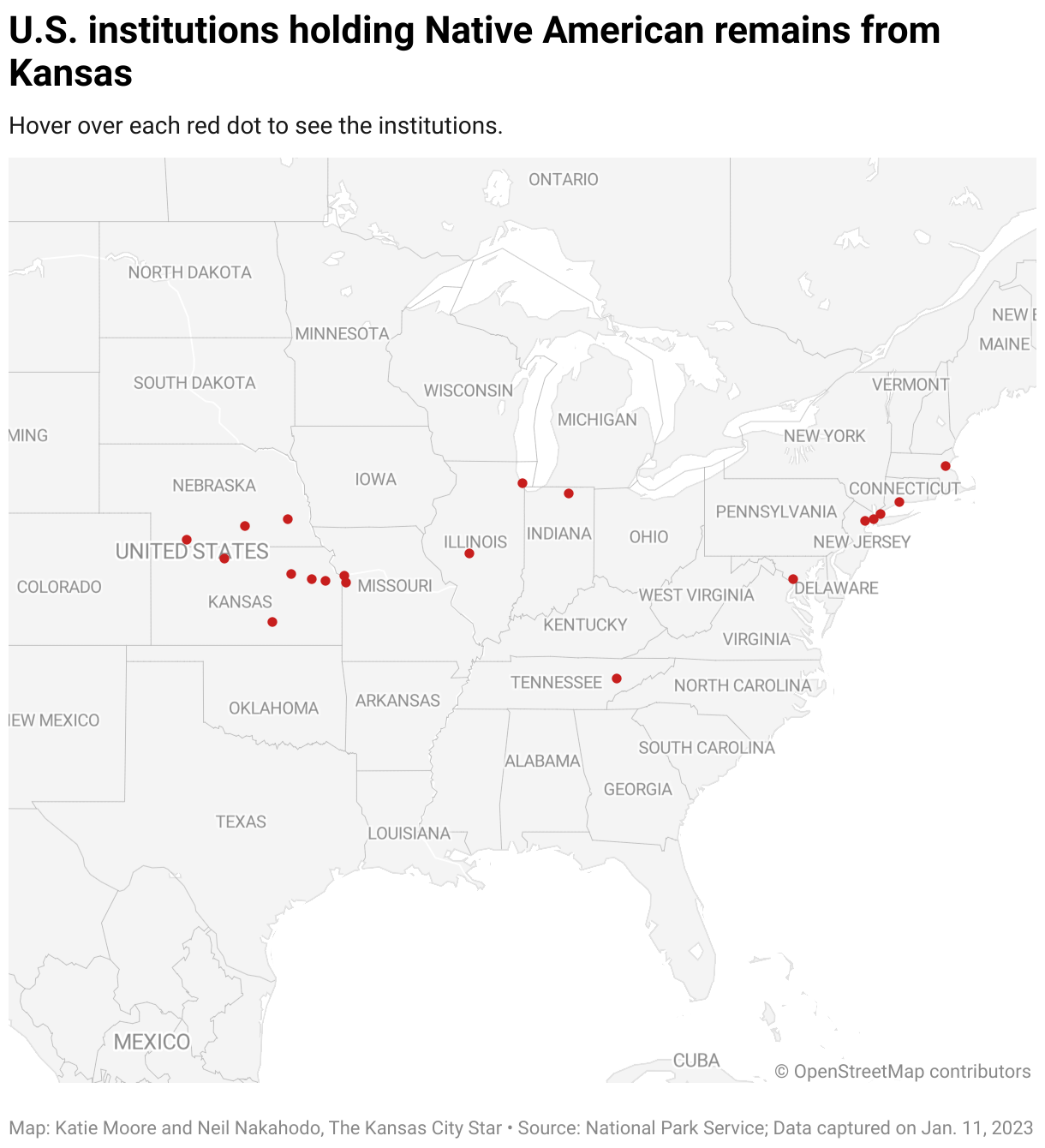
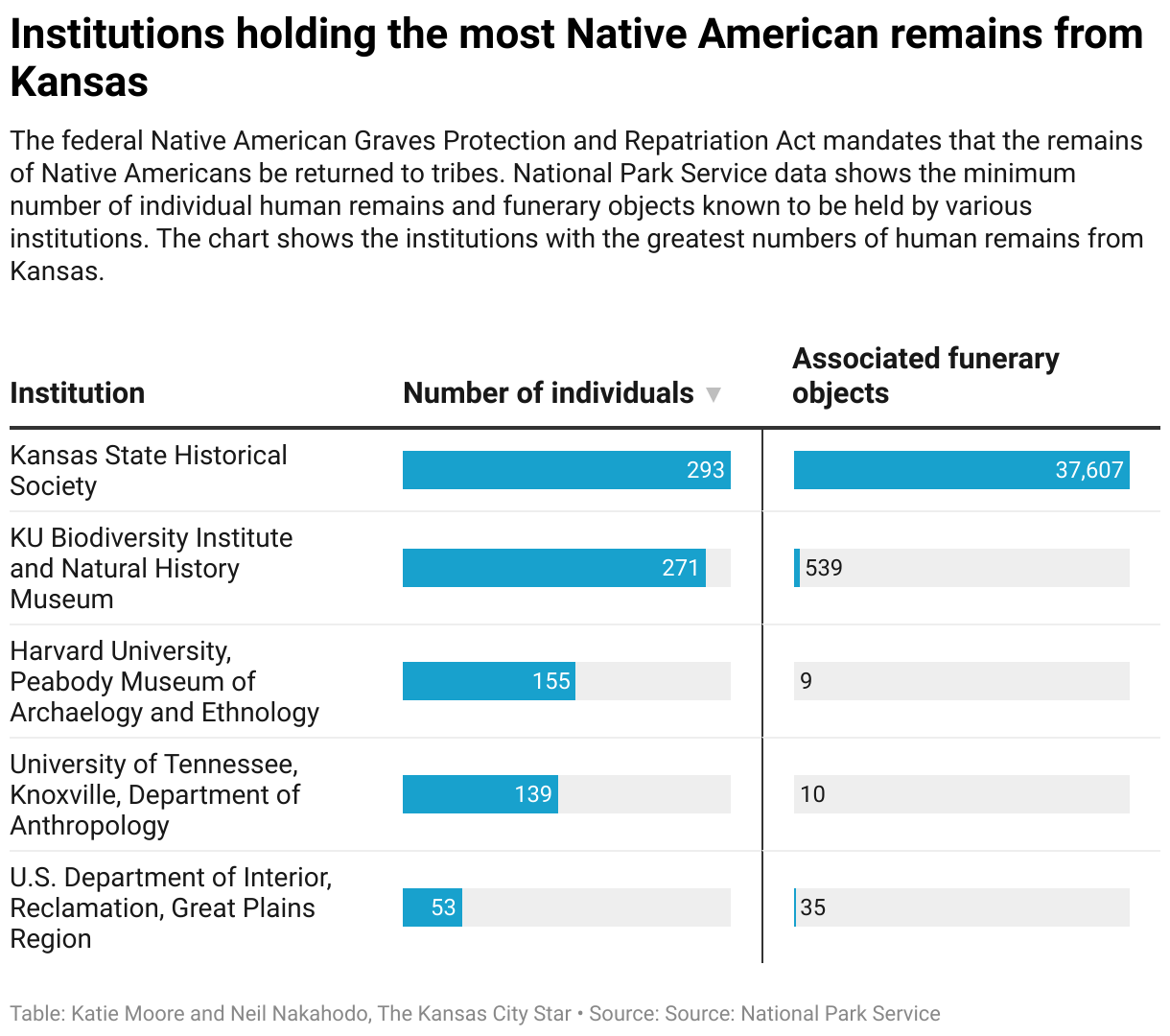
Twenty institutions have yet to repatriate the remains of more than 950 individuals and over 38,000 funerary objects found in Kansas, according to data from the National Park Service. Those institutions, in 11 states, include Harvard University, the American Museum of Natural History in New York City and the Kansas City Museum.
Shortly after the remains were found at KU last year, the Indigenous Studies Student Association issued an open letter to the chancellor and provost expressing “pain, anger and frustration.”
It included a list of demands including signs warning students entering buildings where remains are held, a public apology and scholarships for Indigenous students.
The university has since identified space in Snow Hall for the Indigenous Studies program, according to its website, and established a committee responsible for guiding protocols for it to adhere to the repatriation law, referred to as NAGPRA.
But the university would not answer questions about the remains, including what has happened to them since they were located.
KU holds at least 271 individuals’ remains and 539 funerary objects from 19 counties, the second highest number of ancestors buried in Kansas after the state historical society. Of those remains, 112 were found in Wyandotte County.
NAGPRA requires institutions that receive federal funds, including KU, to take inventories and return remains to federally recognized tribes. More remains are held by private individuals and other agencies that do not have to be repatriated under the act.
KU spokeswoman Erinn Barcomb-Peterson said the process for auditing collections begins with the university and “is completed through consultation with leaders of various Native Nations.”
“The needs of Native Nations and of KU’s Native students, staff and faculty are guiding our updates on the repatriation process,” Barcomb-Peterson said.
But as the school year ended, Mills was not sure what progress had been made.
“That’s the question right now is, is there anything being done and I honestly — as a First Nations Students member and as a student here and a lecturer here — I do not know that answer,” she said. “We’re kinda in the air at this time.”
KU told The Star that in recent months it has launched a NAGPRA website and hired Thomas Torma as its repatriation program manager.
But officials said he “is not available for interviews” and declined to provide additional information about their timeline for an inventory audit or the development of a repatriation policy.
Mills was not aware Torma had been hired.
“You’d think as soon as he got hired, he would want to meet with the students, with the Indigenous people,” she said, adding that it was “unfortunate” that KU would not let him speak with The Star.
“It would be great to really get some answers,” she said.
Many reasons for delay
NAGPRA has been slow across the country for many reasons: Most remains were fragmented, making them more difficult to identify; some individuals could not be definitively matched to their tribe, and disputes arose about whether items found near burial sites are considered a funerary object and therefore have to be returned. Bureaucratic missteps, missing documentation, staff turnover and inadequate funding also have complicated the process.
And some institutions have been reluctant to comply with the act — some believe they are the rightful owners while others say relinquishing them means losing scientific data.
Jimmy Beason, a professor at Haskell University in Lawrence and a member of the Osage Nation, said there have been many barriers.
“Museums in the past have lied about having certain things or they’ve distorted the information that they have ... So a lot of the time, it depends on the institutions’ willingness to just get the process going, and then also the tribal representatives who are doing that process, they also need to stay on top of that process too,” Beason said.
Many Native Americans see colonialism and racism in the taking and keeping of remains, said Lance Foster, who has been the tribal historic preservation officer for the Iowa Tribe of Kansas and Nebraska since 2014.
“It’s an ongoing fight,” he said, noting the country’s history of genocide, forced relocations and forced assimilation.
“And it wears you down.”
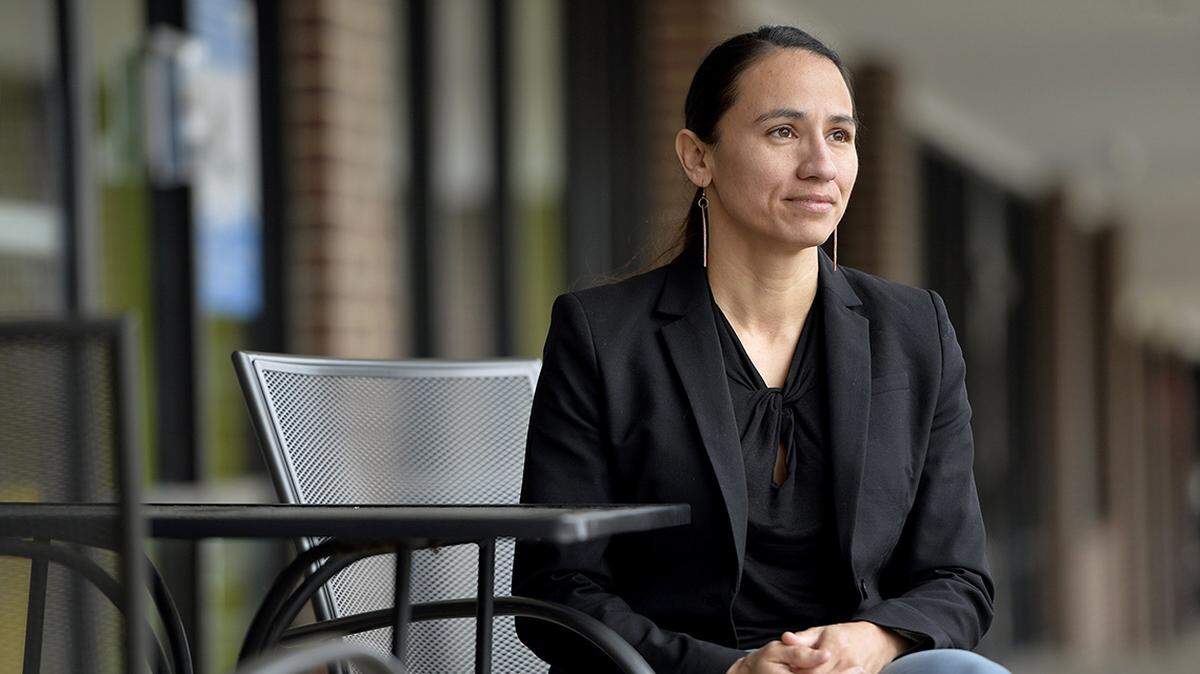
U.S. Rep Sharice Davids, one of the first two Native American women elected to Congress, said the acquisition and discovery of native remains in Kansas and across the country “is deeply upsetting.”
“I share in the pain of the Indigenous community and am committed to protecting our relatives and priceless cultural objects,” she said. “Whole generations have been lost, and I believe we must do what we can to ensure our relatives are not only returned, but treated with respect and dignity.”
Of Kansas’ 105 counties, remains were taken from at least 67. The remains of more than 100 people found in Clay, Doniphan, Geary and Wyandotte counties have not yet been repatriated.
“The Indian people were upset about the land being taken,” Foster said. “But at least they understood why people would do that. They never understood why people would pick up the dead.”
Research debated
At least 81 individuals were removed from burial grounds known as Calovich Mound, located west of Wyandotte County Lake, in the 1960s.
A National Park Service notice published Feb. 15 announced that those remains were available for repatriation from Kansas State University. The repatriation also includes 171 funerary objects including shell pendants, beads and pieces of pottery.
Native American sites have been exhumed over many generations by grave robbers, amateurs and professionals. Some undertook it as a form of entertainment or to add to their arrowhead collections, Foster said. Other excavations have resulted in scientific knowledge.
According to a 1977 thesis published by Ethne Barnes at Wichita State University, human bones were discovered at the Calovich site in 1961 and an excavation began in spring 1962. The collection was sent to KU and then in 1975 to K-State. The remains and objects were estimated to date back to 1000 to 1250.
In her research, Barnes found that the burial mound was a focal point for a number of small farmsteads. Items in graves were more often found with men than women and children. In terms of health, infant mortality was high, as was the rate of osteoarthritis. Severe dental problems developed around the age of 40, which was likely related to an agricultural shift to corn.
“I think those sites mark important social changes and subsistence changes,” said Douglas Bamforth, an archaeologist and professor at the University of Colorado Boulder.
Bamforth said as DNA technology develops, more advanced testing can be conducted. That can shed light on anything from ancient diet to migration patterns. Researching human remains “can enrich our understanding of human history,” he said.
Repatriating remains means losing science, he said.
But, he continued, NAGPRA is the law and more institutions are moving toward repatriation.
“To me, at the end of the day, doing what’s right, with recognizing the humanity of people who are in boxes in storage is fundamental,” Bamforth said. “That gives their descendants a special claim.”
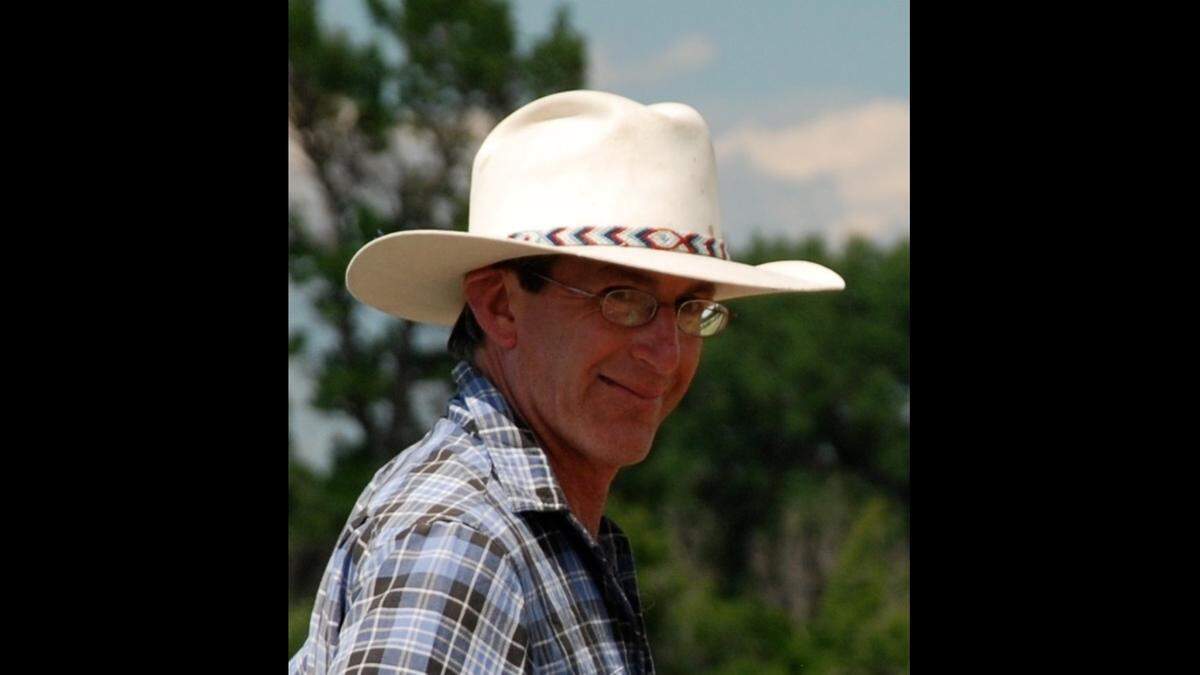
Foster acknowledged that there can be scientific value in the research that has been carried out.
But he also asked what the purpose was.
“None of us want to be sitting on a shelf for 100 years for some study that will never come,” he said. “And then what’s the study for? Is it to actually help our people?”
Progress on reparations
Nikki Klarmann, who became the state archaeologist at the Kansas State Historical Society in December, said the organization and KU have been the main repositories for remains since the 1800s. The historical society holds the largest collection with 293 individuals’ remains and more than 37,600 funerary objects.
She acknowledged that it has been a long time since NAGPRA became law, but said it takes a lot of time to get federal notices for repatriation published, and a lot of tribal communication also has to be done.
The historical society’s most recent repatriation took place in 2021 when the remains of one person were returned to the Cheyenne and Arapaho Tribes, Oklahoma. The remains belonged to a woman who was 35 to 40 years old in Cheyenne County, Kansas, according to the federal notice.
Klarmann was in the process of reviewing the institution’s inventory and documentation, and expected that step to be completed this month.
She hopes to receive a federal grant that would fund another staff member and they could begin systematically reaching out to Tribal Nations. She also plans to boost outreach with tribes and agencies such as sheriffs and coroners offices.
In Manhattan, Kansas State launched its own NAGPRA website and hired a full-time program coordinator in October.
“Kansas State University is dedicated to NAGPRA as we understand that it is the bare minimum that we can do to foster current and future relationships with Tribal Nations,” K-State’s NAGPRA coordinator Megan Williamson said.
The remains from the Calovich site in Wyandotte County will be returned to Native American tribes by this fall, K-State says.
The federal notice said the Wyandotte County remains “can be reasonably traced” to six tribes — the Iowa Tribe of Kansas and Nebraska; Iowa Tribe of Oklahoma; Kaw Nation, Oklahoma; Otoe-Missouria Tribe of Indians, Oklahoma; Pawnee Nation of Oklahoma, and the Ponca Tribe of Indians of Oklahoma.
Marti Only A Chief, the NAGPRA officer for the Pawnee Nation of Oklahoma, said the Pawnee Nation will take the lead on the repatriation of the remains. The tribe lived in Nebraska, but traveled and hunted in Kansas, until they were removed to Oklahoma. The Pawnee Nation has made claims in 22 Kansas counties. Tribes can be identified by pottery, other objects or what they wore.
Only A Chief said the tribes consult with each other when multiple groups are listed on one notice.
“All we want is these relatives to be finally reburied, so if there’s another tribe that wants to take the lead, then we’re OK with that, we’re not going to fight over anything like that,” she said. “All we’re trying to do is put them back, get them back to Mother Earth.”
Klarmann said momentum behind NAGPRA has picked up.
“Personally and ethically as an archaeologist, we need to get everybody home,” she said. “And so I hope that these reinvigorated and added-to efforts are something that can make a difference.”
New rituals for newly returned remains
As remains are returned, tribes have had to develop re-burial rituals.
“We had rites to bury people, but we didn’t have rites that people had been, you know, taken away, how to rebury people,” Foster said. “So a lot of things have had to been kind of developed. So everybody has their own protocols.”
Only A Chief, who has been working on NAGPRA since 2019, said the first repatriation she was involved in had more than 10,000 individuals and funerary objects. She recalled seeing the skulls of babies and adults.
“I was overwhelmed, my heart,” she said. “What I had to do was I had to leave, to go outside and pray.”
When she returned, she felt better.
“Not knowing that could be my grandfather, grandmother, you know, and knowing that they are my relatives because I am a Pawnee tribal member working for my tribe, it becomes overwhelming, emotionally.”
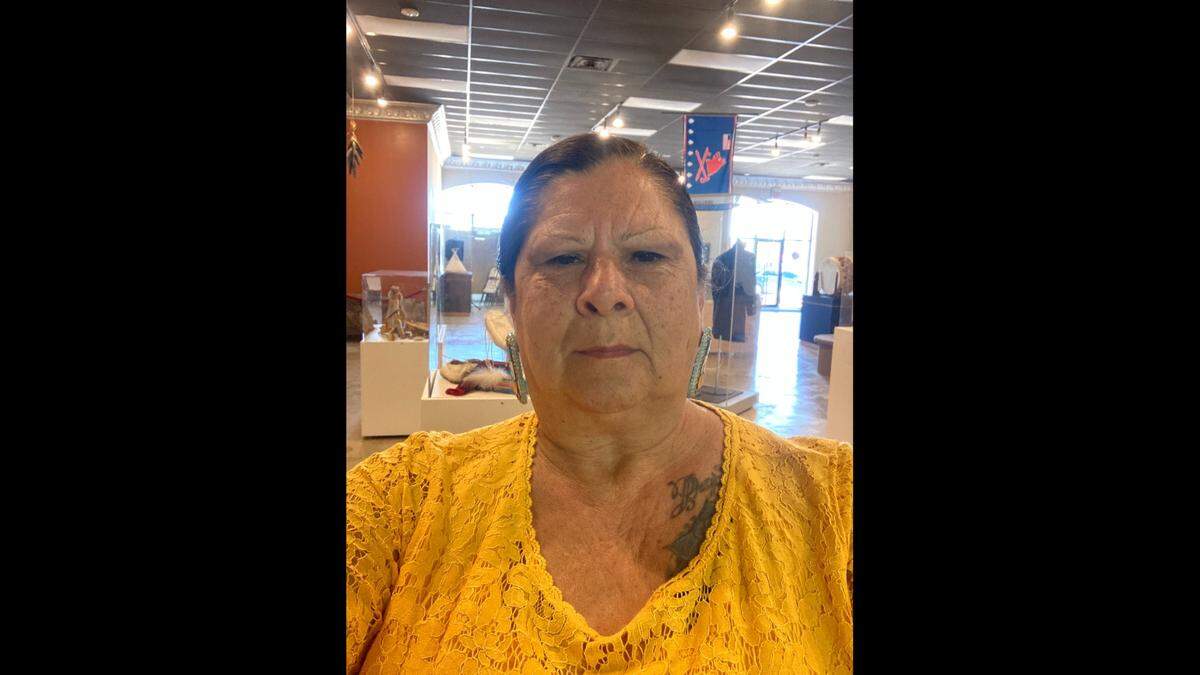
Reburials take place at a confidential location on tribal land in Nebraska. Ideally, a reburial would take place at or near where they were originally found. But sometimes that is not possible because of development or fears about grave robbers.
Only A Chief has helped develop the tribe’s protocols. They use cedar boxes that are covered with Pendleton blankets at the service.
“Everything is new, like you would for a relative now,” she said. “You want everything to be nice for them.”
The Prairie Band Potawatomi Nation has an area in its cemetery for reburials. Joseph Rupnick, chairperson of the Prairie Band Potawatomi Nation, said reburials have taken place, but he hopes there are more. The space is open to other tribes who want to keep their ancestors in Kansas.
Last year, members of the Iowa Tribe of Kansas and Nebraska gathered at an undisclosed location to re-bury returned remains.
Foster said when burial sites are disturbed, a life cycle is interrupted. Reburial means that person can “be reborn in some way.”
Alan Kelly, the deputy tribal historic preservation officer, said he prefers to wrap the bones in paper, which deteriorates so remains return to the earth quickly.
Some people do not want to look at the bones or handle them because they believe doing so could bring bad luck.
For Kelly, participating was “an honor to do that, to get them back in the ground where they need to be.”
Members can make an offering, like tobacco, and can say a few words. Often that is an apology to the spirits and an explanation of how they are trying to make things right, Kelly said.
The largest reburial the tribe has undertaken consisted of about 160 people’s remains, according to Foster.
“It’s kind of like part of yourself is put together again,” he said. “And you can begin to heal.”
This story was originally published August 6, 2023 at 5:30 AM with the headline "Why haven’t KU, others returned hundreds of Native American remains to Kansas tribes? ."