Kansas state employees can take longer paid parental leave after new order from Kelly
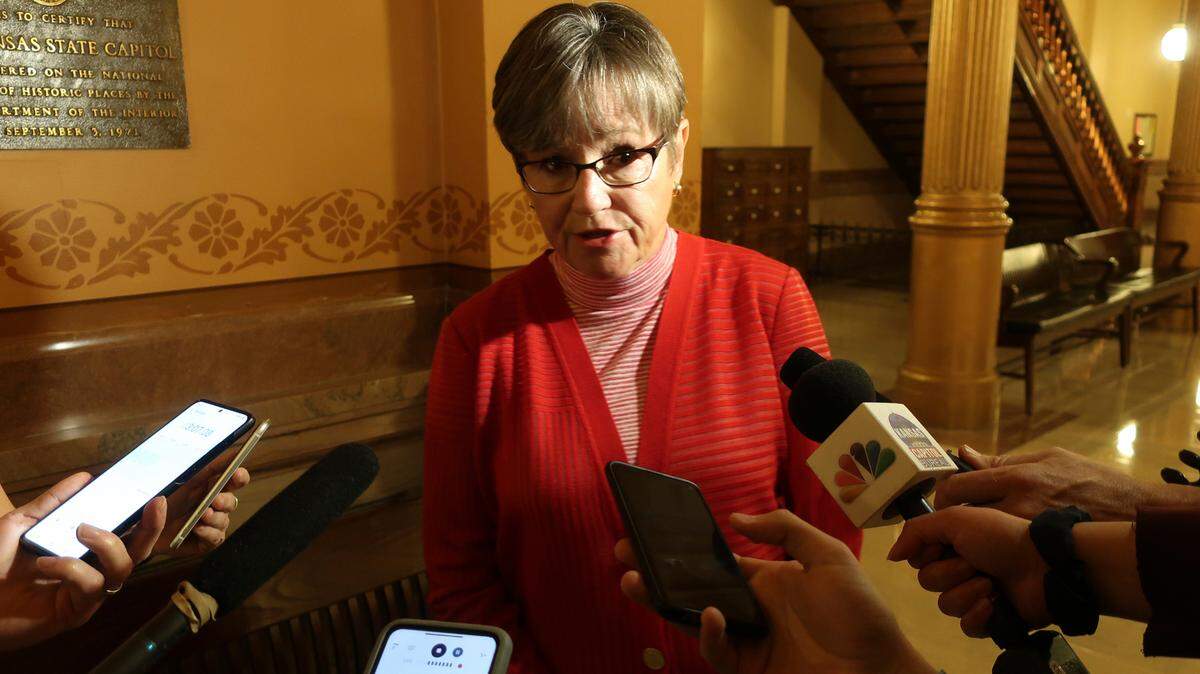
State employees in Kansas can now choose to take longer paid parental leave after Gov. Laura Kelly issued an executive order Tuesday to expand the benefits.
“Supporting working parents in our workforce is not only the right thing to do – it’s good for our economy,” Kelly said in a statement. “We’re committed to recruiting and keeping talented Kansans in our state and creating a supportive environment for our families.”
Executive Order 21-24 increases the number of weeks of paid leave that primary and secondary caregivers can take. It also allows foster parents to take advantage of the leave policy.
State workers who are primary caregivers can now take up to eight weeks of leave — an increase of two weeks from the original policy. Secondary caregivers receive four weeks of leave under the new policy, an increase of one week.
Co-parenting workers who are both employed by the state of Kansas can decide who is a primary and who is a secondary caregiver. If only one parent in the household is a state employee, they will be considered a primary caregiver.
Foster parents who are primary or secondary caregivers will now receive the same benefits. The executive order is effective immediately, according to the governor’s office.
State agencies and employees can look to the Kansas Department of Administration’s Office of Personnel Services to implement the new policy and provide further information.
New state employees will qualify for the expanded paid parental leave after 180 days on the job. However, current workers who have been employed fewer than 180 days won’t be subject to that requirement.
Kelly’s order also allows for employees to use parental leave 30 days before the birth date, adoption or fostering of a child or children per calendar year.
“Paid family leave is a win-win for both families and employers,” Wendy Doyle, president of Kansas City-based United WE, said in a statement released by the governor’s office. “Policies like this that expand these benefits to women and their families bolster economies, improve health and education outcomes and strengthens business through a stronger employee workforce.
This story was originally published July 7, 2021 at 10:46 AM.