
Voter guide: What Wichita school board candidates say about issues in District 5
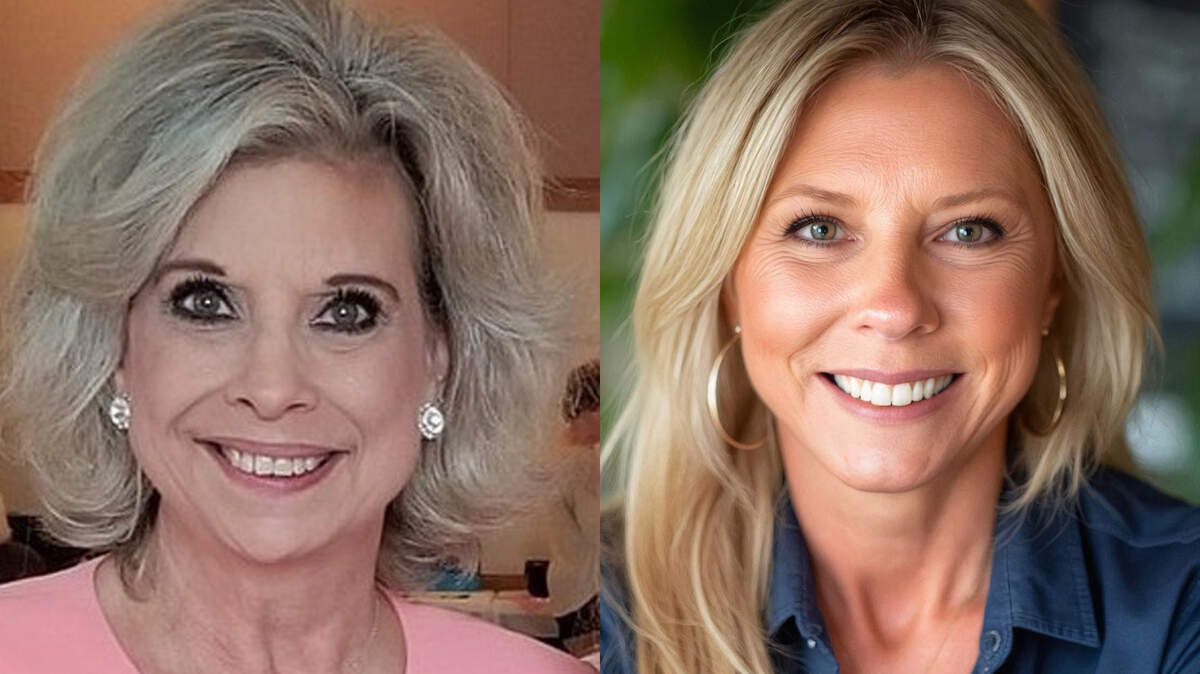
Voters in District 5 of Wichita Public Schools can choose between two candidates for a seat on the school board.
Incumbent Kathy Bond and retired teacher Amy Jensen were the top finishers in the August primary.
District 5 extends north to 17th Street, south to 31st and from Meridian to 119th Street in the western part of the school district. Only people who live in this area can vote in this race. Voters can find out which board district they live in by checking the Kansas secretary of state’s VoterView.
Those who are elected to the school board will be responsible for the Wichita school district’s policies and for managing its nearly $1 billion budget. Members hold their positions for four years and are not paid.
The election is Nov. 4. Advance voting by mail is open now. Request a ballot here by Tuesday, Oct. 28. Advance voting in person starts Monday, Oct. 20 at the Sedgwick County Election Office, 510 N. Main, Suite 101, in Wichita. Go here for details and information on satellite sites opening Thursday, Oct. 30.
To help voters learn about the candidates, The Eagle sent a questionnaire asking each candidate to share biographical details about themselves and respond to questions ranging from their priorities to student achievement to whether to propose a new bond issue.
Here is what the District 5 candidates said. The responses have not been edited.
Kathy Bond
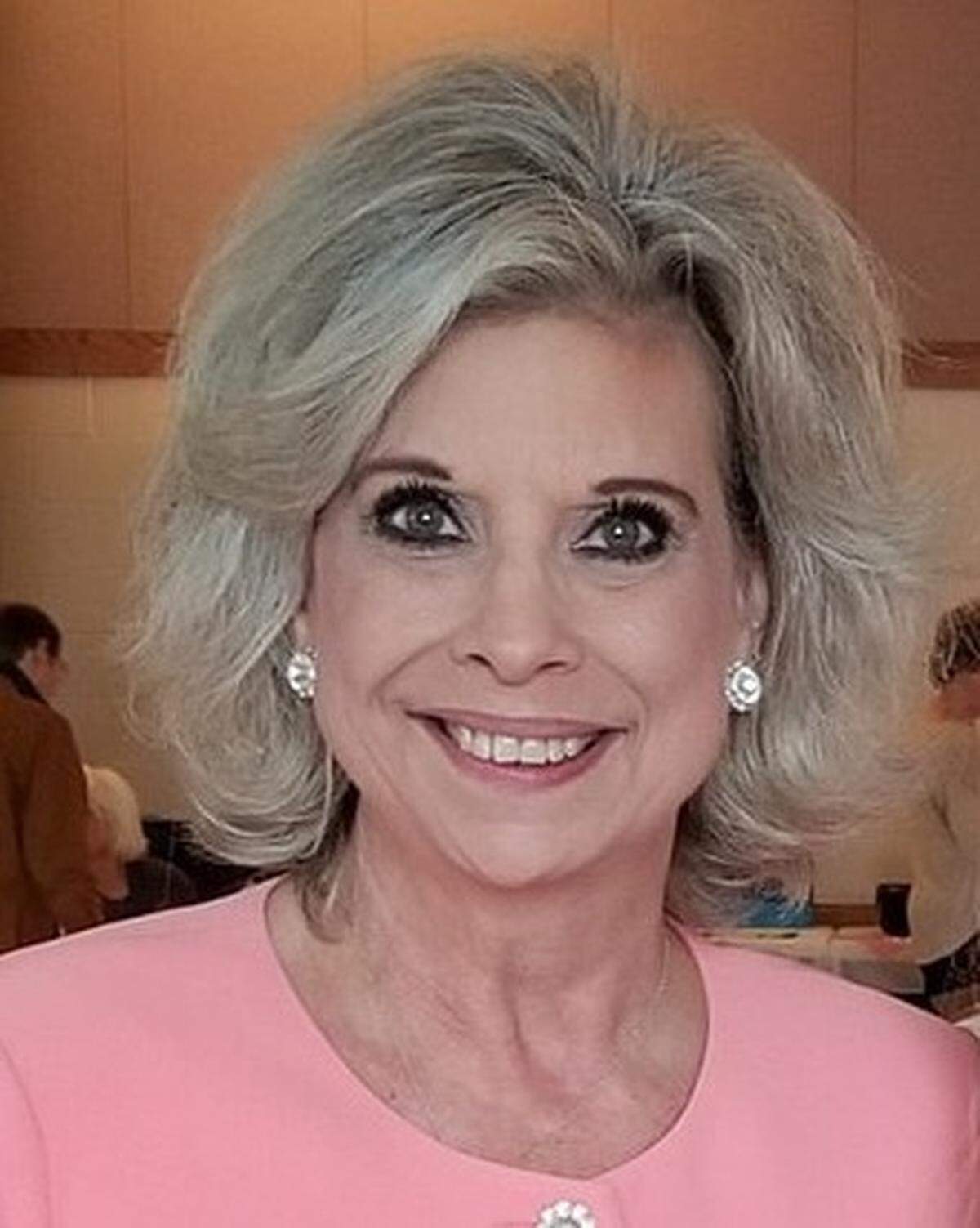
Age: 67
Occupation: Retired Bus. Owner/Current Guest Teacher
Campaign phone: 316-516-8109
Campaign email: kathybond2025@gmail.com
Website: kathybondforschoolboard.com
Why should voters consider you the most qualified candidate? What is your overall vision? In my first term, I focused on student achievement, improved school safety, and supported innovative teaching. As a licensed K–5 guest teacher, I bring frontline insights to every decision. I pursue fiscal responsibility with clear priorities and transparent processes. I’m committed to strengthening early literacy and building trust within our community. My loyalty lies with my constituents, and my priority remains providing quality education for all students.
What is your top priority and what specifically would you do to address it? Reading proficiency by the end of 3rd grade is non-negotiable. If a child does not meet established, multi-tiered benchmarks after comprehensive supports, retention may be one component of a broader strategy — always paired with a strong plan for acceleration, tutoring, and a smooth transition.
Would you vote for the district to seek another public vote on a bond issue? Why or why not? Even with full disclosure of projects and tax impact, bond proposals must include safeguards to earn broad public trust. This approach protects taxpayers and ensures every dollar advances learning, safety, and school quality. I’m committed to responsible stewardship, ongoing accountability, and decisions grounded in evidence and community input.
Would you vote to follow the facilities master plan and close more schools? Why or why not? I would insist on continued community engagement, targeted mitigation for affected families, and clear metrics to measure success. When the plan advances, it must include phased implementation, independent oversight, and regular progress reporting to ensure that savings are reinvested to improve academic outcomes and school safety. The vote has already taken place in 2025 for the facilities master plan.
The city and county both lowered their property tax mill levies slightly this year while the school district did not. Would you vote to cut the district’s property tax rate in the future? Why or why not? Yes. Voting to cut a district’s property tax rate in the future can be appealing for several reasons. Reducing the tax rate directly lowers the annual tax bill, which can ease financial pressure, especially for fixed-income residents. If the district’s assessed values have increased but the rate wasn’t adjusted, some homeowners may feel the tax burden has grown disproportionately. A rate cut can address perceived overcharging, improve budgeting, streamline services, or eliminate inefficiencies.
How would you ensure the district is graduating students who are prepared with the thinking skills they will need in adulthood? Administration recommends an external audit of graduation certification procedures and an internal audit of 2024–25 graduation data. The engagement will assess current practices, verify reported rates, and strengthen internal controls. Deliverables include documented procedures and a final audit report with findings and recommendations.
Amy Jensen

Age: 59
Occupation: Retired teacher - adjunct faculty Butler Community College
Campaign phone: 316-347-7460
Campaign email: amyjensenwichita@gmail.com
Website: www.amyforwichitakids.com
Why should voters consider you the most qualified candidate? What is your overall vision? I bring 32 years of experience as a classroom teacher and lifelong advocacy for strong public education. I understand the challenges our students, teachers, and families face and how board decisions impact classrooms. My leadership and vision will focus on supporting educators, investing in the expansion of Community Schools, and ensuring transparency without politics — just common sense leadership for Wichita families.
What is your top priority and what specifically would you do to address it? My top priority is expanding the Community Schools model across Wichita. Community Schools bring healthcare, mental health services, after-school programs, and family resources into schools, removing barriers to learning, while increasing achievement and graduation rates. Working with city leaders, nonprofits, and local businesses to build strong partnerships and grow successful programs ensures every student has the support they need to thrive in school and in life.
Would you vote for the district to seek another public vote on a bond issue? Why or why not? Yes, I would vote to seek another public vote on a bond issue, and I strongly support it. Many Wichita schools are aging and need repairs or replacement to provide safe, modern learning environments. A bond would fund critical upgrades, safety improvements, and resources that directly benefit students and staff. Giving voters the chance to invest in our schools ensures we build a strong foundation for student success and the future of our community.
Would you vote to follow the facilities master plan and close more schools? Why or why not? The current BOE has already approved the master facilities plan, including school closures. While I understand the need to address aging buildings and declining enrollment, I will carefully review each future decision to ensure it truly benefits students and neighborhoods. My focus will be on transparency, community and staff input, and exploring every option to keep schools strong while using resources wisely for the future of Wichita students.
The city and county both lowered their property tax mill levies slightly this year while the school district did not. Would you vote to cut the district’s property tax rate in the future? Why or why not? I would not support cutting the district’s property tax rate at this time but to keep it neutral. Wichita schools are already facing tight budgets while trying to maintain safe buildings, recruit and retain quality teachers, and provide vital services for students. Great schools make our community safer and keep property values strong. My priority is to use taxpayer dollars transparently and wisely while ensuring every student has the support and opportunities they need to succeed.
How would you ensure the district is graduating students who are prepared with the thinking skills they will need in adulthood? Wichita Public Schools offers strong college and career readiness programs, from early childhood education to career pathways and dual-credit courses. I’ll support expanding these opportunities so every student gains real-world skills and hands-on experiences. By investing in teachers and partnerships with local businesses and colleges, we can ensure graduates are prepared to think critically, solve problems, and succeed in college, careers, and life after graduation.