Why do I keep getting political texts from Kansas campaigns? Here’s how to opt out
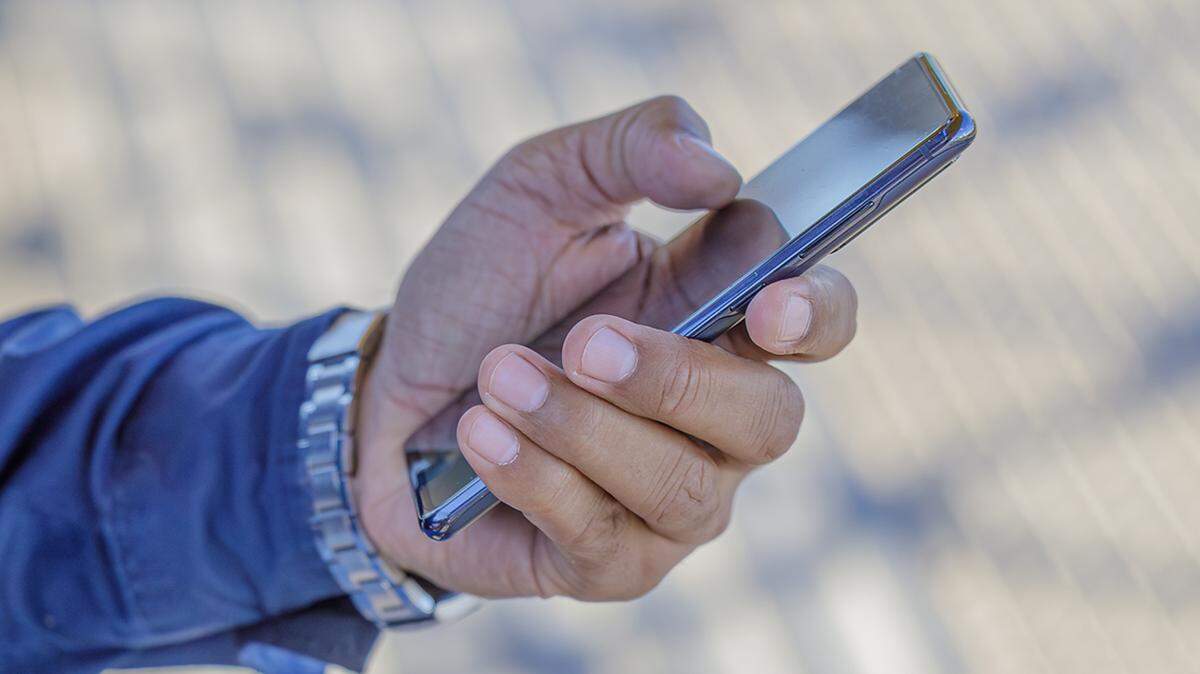
If you’re a registered voter in Kansas, you’ve more than likely received a political campaign text, or 20, especially now that the 2024 election is so close.
Sedgwick County voters will not only see the presidential election on their ballot on Nov. 5, they will also see state and local races depending on their district. And while early voting has already begun — drawing record turnout so far in Sedgwick County — local and state campaigns are entering their last push to reach voters.
But if you’re someone who already knows who you’re voting for, or simply doesn’t have time to read every campaign text on your phone, getting the messages and calls can be frustrating — especially when it seems that no matter what you do, they just keep returning.
Here’s a quick guide to campaign texts in Kansas.
How do campaigns get your contact information?
You might be wondering: How do campaigns even get a hold of my contact information?
Additionally, some text messages will even have the phone user’s first name, even though you’ve likely never met the person sending them. So, how?
While who people vote for is private information, Kansas voter information (address, party affiliation, etc.) is all public and accessible. Individuals can easily see someone’s voter information, as long as they know first and last names and date of birth.
Campaigns can even request voters’ information in batches. In Kansas, anyone can view the voter registration books and active voter lists under supervision, according to the National Conference of State Legislatures. They can also request a written copy by filling out a form through the Kansas Secretary of State’s office.
Long story short — in the age where most everyone has some sort of online presence, finding one’s contact details and basic information is usually easy to do. So when it comes to robocalls and texts, it’s usually a matter of how to stop them once they start, rather than avoiding them altogether.
How can I opt out of political texts/calls?
Just deleting the text thread isn’t enough to guarantee you won’t get a message from that campaign again.
According to the Federal Communications Commission, all campaigns should quit texting if you text back “STOP.” But if you’re struggling to get numbers to stop texting you, you can forward such numbers to 7726 (or “SPAM”).
It’s also good to know the requirements for campaign robotexts, which can all be found online on the Federal Communications Commission’s website.
Robocalls must include the identity of the caller at the beginning of the message. They also have to include the phone number stated in the message. The commission says that robotexts sent using an autodialer must have had prior consent, while texts sent manually do not need consent from the owner of the number.
If you have a complaint about the robocalls or texts, you can report them to the commission by either calling 1-888-225-5322, reporting online at consumercomplaints.fcc.gov or submitting your complaint via mail.
This story was originally published October 24, 2024 at 11:58 AM.