Kansas has less than 1% of the vote on Democrats’ new presidential nominee. Here’s why
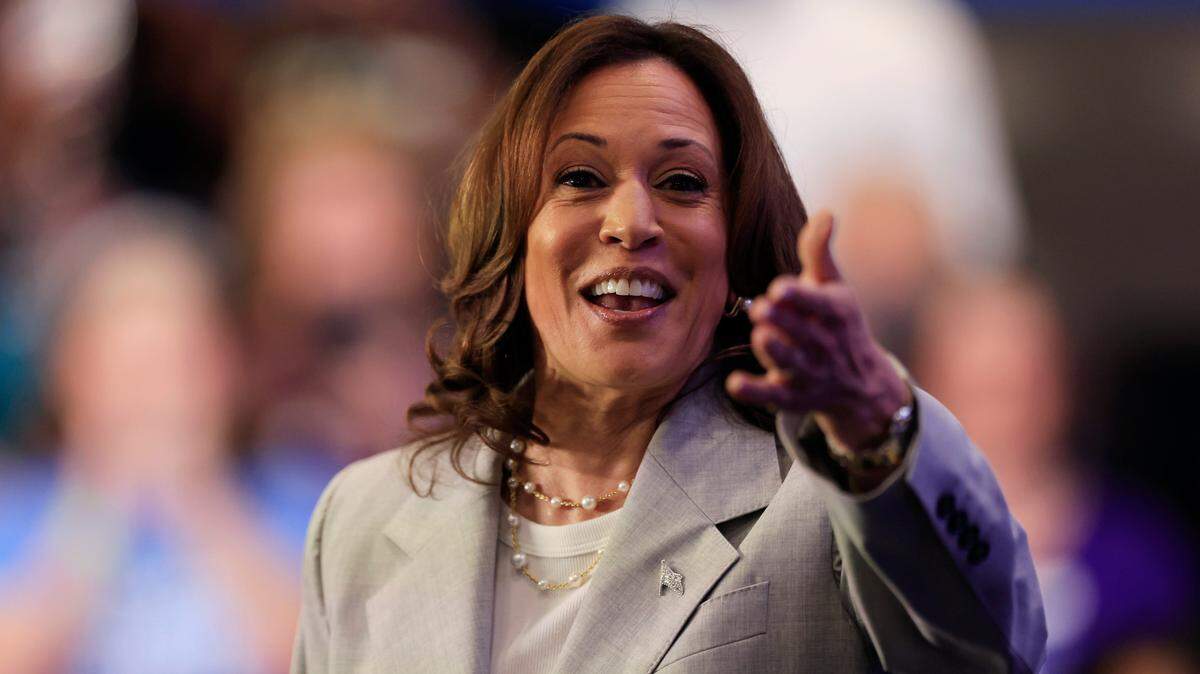
With less than one month to go before the Democratic National Convention, where the party usually takes the largely ceremonial step of certifying its presidential nomination, recent news from President Joe Biden has turned the tables.
Biden announced Sunday that he will not be seeking reelection after all, dropping out of the race and endorsing Vice President Kamala Harris less than four months before the presidential election in November.
So the selection of Biden’s replacement as the Democratic candidate will come down to a vote (or votes) of the delegates chosen for the convention, most of whom were expected to back Biden but are now free to vote for anyone.
On Monday, the Kansas Democrats announced that their delegation was backing Harris. But exactly how much power does the state hold in this process?
Kansas is sending 39 delegates to the convention in August. The state’s Democratic party selected its delegates in May, which include elected officials, party leaders and Democratic volunteers.
Why 39?
The Democratic Party bylaws say the number of delegates allocated to every state is determined by a formula that gives “equal weight to population … and to the Democratic vote in elections for the office of President.”
The total number of delegates at the convention across all states is 3,939. State representation ranges from 11 delegates from territories like American Samoa and 495 from California.
So Kansas’ voice in the Democratic nominating process accounts for just under 1%. That roughly aligns with Kansas’ relative population, which was about 0.9% in the 2020 Census, and the number of Kansans who supported Joe Biden in 2020, about 0.7% of the president’s total vote.
Kansas will have more say in the process to elect the final presidential winner: The Sunflower State controls six votes in the 270-member Electoral College, or 2.2%.
Do delegates have to vote for their state’s elector?
Kansas delegates who will be sent to the DNC include seven at-large delegates representing the entire state and four Democratic party leaders and elected official delegates. The remaining ones were selected based on region.
Biden won Kansas’ presidential preference primary in March, with 84% of the Democratic vote. It’s important to note that even if Biden was still in the race, delegates are not required to select who won the state’s vote.
The Democratic Party Delegate Selection Plan states that all delegates should cast their vote to “reflect the sentiments of those who elected them.”
“We look forward to the process of nominating the Democrat who will defeat Donald Trump in November,” Kansas Dems said in a social media post shared after Biden’s announcement. “We remain focused on supporting Kansas Democrats up and down the ballot.”
The Democratic National Convention is Aug. 19 to 22 in Chicago.
This story was originally published July 23, 2024 at 9:25 AM.