
State Board of Education Republican primary for Wichita area
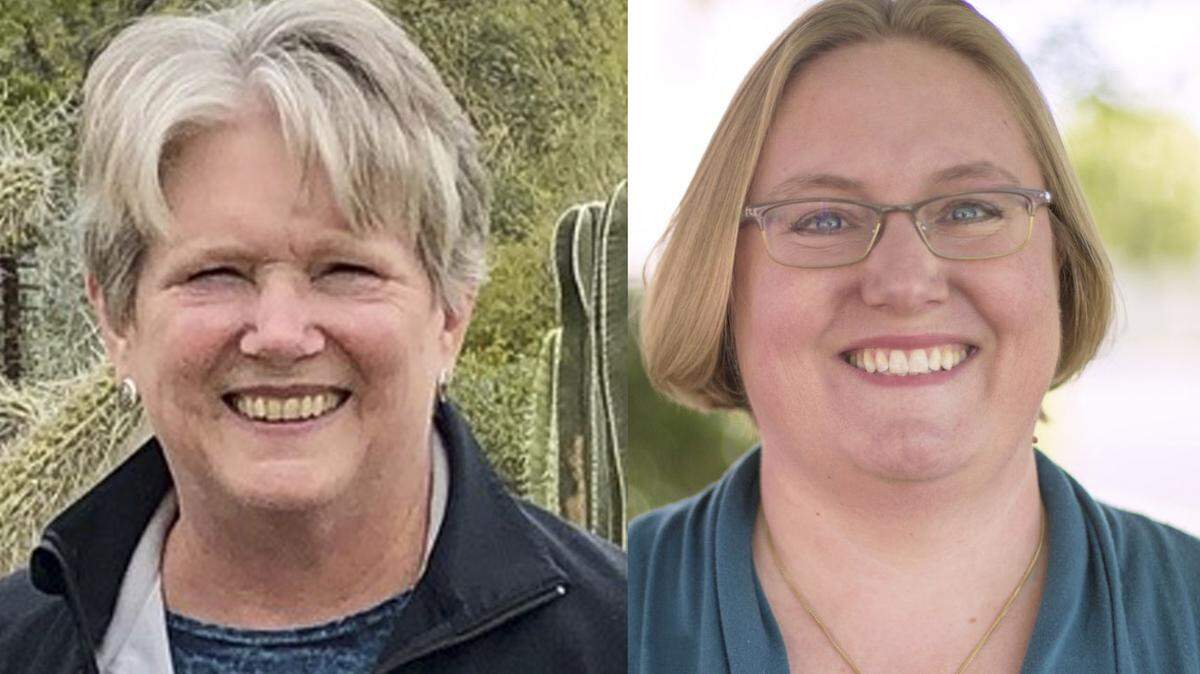
The 10-member state board of education has general supervision of K-12 public schools in the state. Board members are elected to a four-year term and receive no pay except for reimbursement for authorized travel expenses.
District No. 8 includes parts of the Wichita, Derby, Andover, Haysville and Circle school districts. Trish Hileman is hoping to unseat Kathy Busch in the Republican primary for state school board’s district 8. The winner of the Republican primary will face Democrat Betty Arnold in the November election.
District No. 10 also represents parts of those school districts. Republican Jim McNiece is running unopposed in that seat.
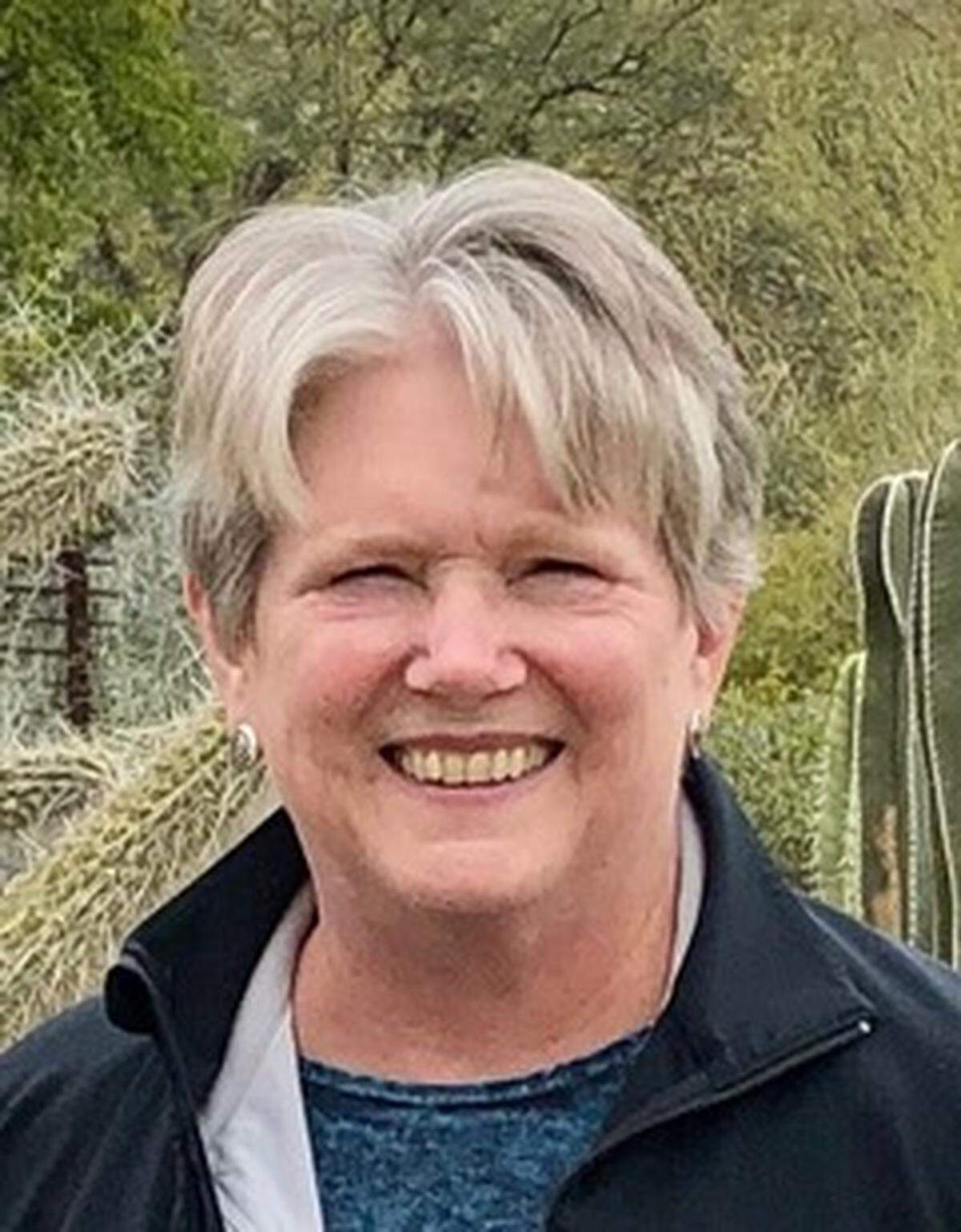
Kathy Busch
Age: 68
Education: Undergraduate degree from Kansas State University in Biological Sciences. Masters in Science Education from Wichita State University, licensure programs in Building and District Administration from Wichita State University
Occupation: Science teacher – Mulvane Junior High School, Bishop Carroll High School, Pleasant Valley Middle School; Building Principal – Robinson Middle School, Coleman Middle School, and Wichita High School Southeast all in Wichita Public Schools; Assistant Superintendent of Middle Schools – Wichita Public Schools; Wichita State University, College of Education – liaison between College of Education and Wichita State University as a part of a partnership project to place WSU College of Education students in an urban setting for their field experience and student teaching, Department Chair – Department of Education, WSU
Political and civic experience: Kansas State Board of Education, District 8 – two terms, Served on Board of the Boys and Girls Club, Giving the Basics
Contact information: 316-682-5718, Facebook page Kathy Busch, KANSAS BOE, kbusch@ksde.org
1. What is the most pressing issue for Kansas schools, and what do you think the State Board of Education should do about it?
The most immediate pressing issue is the COVID-19 pandemic and how to get students back into school. The State Board of Education has approved a document called Navigating Change 2020. This document was developed by about 1000 teachers, administrators, local school board members, parents, medical doctors, and public health professionals to be used by our school districts. This document provides guidance in the areas of Operations and Instruction. We want to get students and teachers back into school but we must do that in as safe a manner as possible.
2. Why should voters consider you the most qualified candidate? What is your overall vision?
First of all, I am a parent of children and a grandchild that have gone to our Kansas public schools. I also have extensive experience in various educational levels in a suburban district, a private school, and a large urban district. I talk frequently with parents, teachers, and administrators regarding educational issues. I am also able to communicate with business and civic organizations both locally and throughout the state. We need to know what businesses expect from our high school graduates. Our current State Board of Education Vision of “Kansas Leads the World in the Success of Each Child” pretty much sums up my personal vision for education. We as State Board members have a responsibility to focus on what we can do to help each student be successful. That means support for academics, social and emotional well-being, activities that support each student’s interests, and ultimately not only focusing on high school graduation but getting students prepared to go into a postsecondary field of their choice.
3. Are Kansas schools adequately preparing students for college or careers? What more can the state do?
Several years ago the State Board added a goal to focus on postsecondary success for each student. We chose the term postsecondary because we wanted to include four-year college programs, two-year community college, technical school programs as well as military and students going straight into the workforce. We also added a measure for postsecondary success using the Student Clearinghouse Data. This measure tells us if students go to a two or four year institution or achieve an industry recognized certificate or license. This is now a metric that is used for accreditation for school districts. The state and local school districts are currently working on aligning our Career and Technical Education plans for high school and postsecondary institutions. This is ongoing work through a joint task force between high schools, technical schools and businesses. Our schools are continuing to work on ways to expand opportunities for partnerships with Technical Colleges to allow more high school students to complete technical programs while they are still in the K-12 system. I am a member of a sub-committee that is working on internship opportunities for our high school students.
4. Should the Covid-19 pandemic flare up again after you take office, or should another highly infectious disease surface in Kansas, what should the board do to safeguard the health of students and staff.
There are many guidelines and recommendations within the Navigating Change 2020 document that speak to the operational aspects of managing a highly infectious disease. These recommendations will be able to be fine tuned when we open schools this fall to see what works and what needs to be changed. With that in mind, I would recommend reconvening the task force that worked on this document and ask them to make further changes to the operational piece. The Navigating Change 2020 document also has an extensive portion in the Instructional Guidelines that talks about having school during a highly infectious disease event. Again, I would recommend bringing the Instructional Guidelines task force back together to refine those recommendations based on what needs to change.
5. What can the board do to help students who fell behind when schools shut down in March?
When the school year starts this year I would recommend each school district implement strong social and emotional supports based on the Kansas Social, Emotional and Character Development standards. With children being out of the school buildings for much longer than a typical summer break, we must spend time with students reorienting them to all aspects of school and learning. Students will have to be assessed to determine their learning levels and teachers will proceed from there. One of the most important things that I think can happen is to target next summer. Once we get to the summer of 2021 we should be able to bring in groups of students for additional learning. Schools have CARES money that could be used next summer to provide additional learning opportunities for targeted groups of students.
Trish Hileman
Education: BS is Business Education from Central Washington University
Occupation: Mother- formerly ED of local non profit
Political and civic experience: Run for local school Board twice, Campaign Treasurer for Cindy Miles for County Commission, President of the College Hill Neighborhood Association, former appointee of Wichita Transit Board, Campaign Committee Chair for KFRW
Endorsements: Cindy Miles, potentially more to come
Contact information: HilemanKS.com, HilemanKS@gmail.com, Facebook.com/HilemanICT/
.jpg "Trish head shot (small).jpg")
1. What is the most pressing issue for Kansas schools, and what do you think the State Board of Education should do about it?
The most pressing issue for Kansas schools today is how to start and manage school safely in this Season of Covid-19. The State Board is providing guidance, and their view has to be general, helpful advice for all types and of locations and size Districts. I think the State Board should also be working closely with Legislators and our Governor to ensure that schools have the resources and protection that will allow them to effectively teach all children. As State Education Representatives they also have a role to play in educating the staff, parents and community about how Schools are being run, safely, effectively and as economically as possible.
2. Why should voters consider you the most qualified candidate? What is your overall vision?
Vision: I see our State Board of Education Representative working as a connector in the region for Education issues. The Dist. 8 Board Member must meet in public with the constituents to gather feedback and experiences, work with other elected officials in the region and problem solve the generalized educational issues with the other stakeholders in order to work toward solutions.
Communicating, collaborating and working together with others toward solutions is something that I have done in Wichita and will continue to do if elected to the State Board of Education. I advocate effectively on behalf of College Hill Neighborhood Assn. where I worked with other neighborhood leaders and elected officials to advocate for more pools vs. splash pads- increasing the number of pools from 3 to 5, I have worked to spread awareness and specifically educate Legislators and City elected officials about the problem of very large power poles located in small front yards in NE Wichita, and helped to encourage Evergy to offer alternatives. I began and have organized the only community/parent feedback group in USD259 (Dist.2) so our School Board Member can communicate with the people she serves directly.
Furthermore I have and AM deeply connected to our local schools and experience them as citizen- not just as an administrator. My experience in our quickly changing school environment is current, vs. 8 years ago- I think having someone who knows what the issues are currently will best serve the people of SC Kansas on our State BOE.
3. Are Kansas schools adequately preparing students for college or careers? What more could the state do?
If you look at the Kansas Report cards for the Districts in this region, the postsecondary success rate is from a low of 39% to a high of 69% with 45.53% being the weighted average- which means that 5 years after graduating High School these students have gotten further education, work, or are in the military- a measure of post high school success. There is room for improvement as our State’s goals and workforce needs are at 71% needing post High School certification or education for 2020. Our State and region are already working toward increasing these numbers by establishing programs that allow High School students to earn professional certificates, begin College while still in High School and do internships in local businesses in the summer- these are all good moves forward. But we also need to increase our general rigor so that more students are gaining the skills in High School that will lead to post graduation success without remediation- offering public schools with charter like rigor would be an innovative step our public schools could offer.
4. Should the Covid-19 pandemic flare up again after you take office, or should another highly infectious disease surface in Kanas, what should the board do to safeguard the health of students and staff.
The professionals in local School Districts and at the State Department of Education have learned so much through this trial- we will inevitably be better prepared for disease. I think the State Board has to do what it seems to be doing now- which is rely on the experts (teachers, staff, Doctors and parents) for honest input and problem solving. I will communicate with our community and listen to the experts to make the best decisions possible.
5. What can the board do to help students who fell behind when schools shut down in March?
Offer in person full time school as safely as possible whenever school does start again. I think there has to be an emphasis put on a thorough screener in the first month of school so we can gauge where more intensive catch up work needs to be done. Our State Board needs to listen to our Community - not just the ones with loud voices - the single Moms and Dads, the impoverished, those that don’t speak English that don’t have time or ability to advocate. We have to seek out people who are most affected by this lack of in person education and make sure we are understanding where their pitfalls and hardships are, then ensure their voice is brought into public decision making discussions.
This story was originally published July 20, 2020 at 2:00 PM.