
Lawmakers return to Topeka facing questions about budget, transparency and marijuana
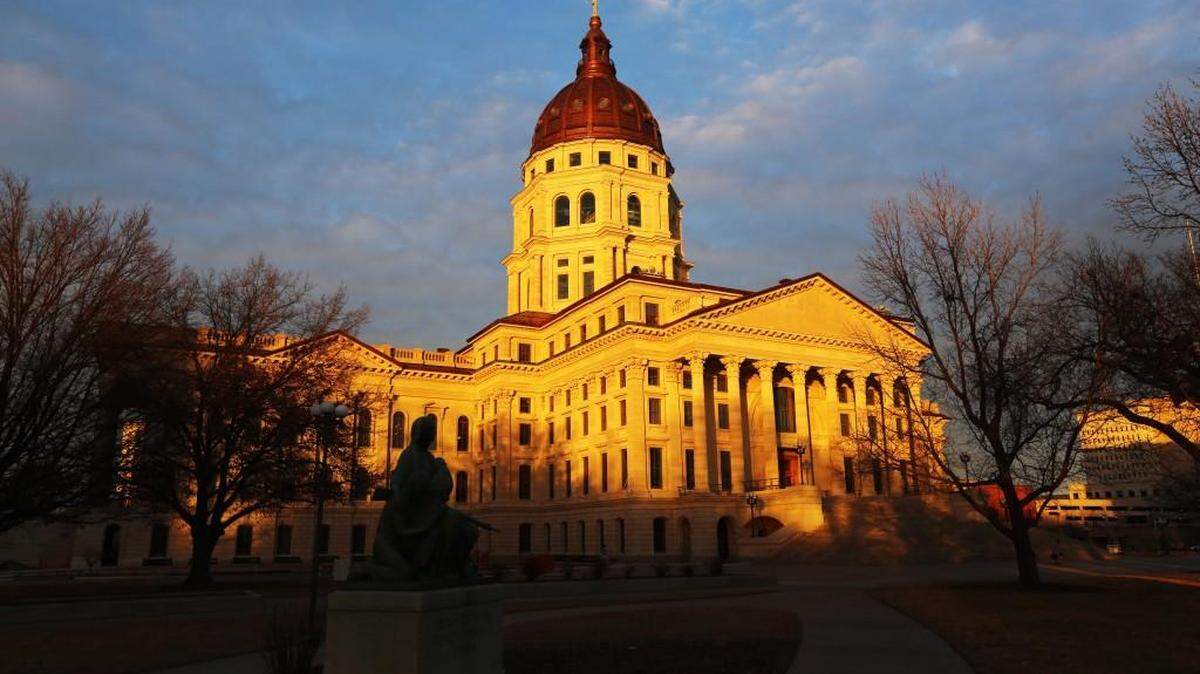
The most urgent matter facing Kansas lawmakers when they return to Topeka on Wednesday will be the state’s $290 million budget hole. But plenty of other issues also await them.
Expect lawmakers to tackle local property taxes, open records and marijuana penalties during their wrap-up session. Other issues might pop up, too, including a proposal to restrict transgender students’ access to school bathrooms.
Here’s a rundown of the topics that lawmakers could address as they finish the 2016 session.
Budget
The length of the wrap-up session will depend on how quickly lawmakers can agree on how to resolve the budget shortfall. Every legislative seat is up for election this fall, and few lawmakers are anxious to have a repeat of last year, when the Legislature was in session for a record 114 days.
Still, it’s not clear yet how quickly a consensus on the budget will form.
Gov. Sam Brownback has given lawmakers a list of options, including cuts to education and other state services, but some lawmakers are calling for a solution left off of the governor’s menu.
Senate Vice President Jeff King, R-Independence, said he will not vote for any of the governor’s proposals unless the Legislature also passes bills that close a tax exemption allowing 330,000 business owners to not pay state income tax.
“If we pass those bills, they will close the shortfall for 2017 and restore fairness to a tax system that currently lacks it,” King said.
Brownback has said that any tax increase would hurt the state’s economy. Instead, he has proposed delaying a $100 million payment to the state’s pension fund until September 2017 or using the state’s tobacco settlement to issue bonds to get more money now.
Kansas Bioscience Authority
Even before the most recent budget shortfall was announced, Brownback had planned to sell off the assets of the Kansas Bioscience Authority as a way to get money in the short term.
The bioscience authority is a quasi-governmental agency meant to help investment in the biotech sector.
The sale is estimated to bring in $25 million, but Brownback needs legislative approval before he can dissolve the agency. The Senate has passed SB 474, a bill authorizing the sale. The House has yet to vote on it.
STAR bonds
One thing holding up the sale of the bioscience authority is that lawmakers attached it to legislation meant to enact transparency reforms in the Kansas Department of Commerce’s sales tax revenue bond program.
Some lawmakers say the STAR bonds program is an essential economic development tool, but others say it drains too much money from state coffers.
The House has yet to act on the legislation.
Earlier in the session, Brownback vetoed a bill that would have halted the use of STAR bonds in Wyandotte County, a measure meant to block the governor from trying to lure the American Royal from Kansas City, Mo., to Kansas.
Marijuana penalties
The House passed legislation last year to lessen the penalty for first-time marijuana possession and to allow use of medicinal hemp to treat seizure disorders.
Earlier this session, the Senate passed a version of that bill, HB 2049, but scrapped the medicinal hemp component. The Senate also added stricter penalties for burglary.
Lawmakers from both chambers would have to work out a compromise version of the legislation. It would reduce a first-time marijuana offense to a Class B nonperson misdemeanor, meaning that offenders would face presumptive probation.
Property taxes
The House has yet to act on a bill that would push up to 2017 implementation of a local property tax lid. The bill would require local governments to hold a public vote on spending increases above the increase in the consumer price index.
That means that if a city or county received an increase in property tax revenue because of rising home values, it would have to proceed with a property tax cut unless voters approve spending the money.
A floor amendment added to HB 2088 in the Senate provides an exception that allows municipalities to spend the additional dollars on law enforcement and emergency services.
Step therapy
A bill to implement step therapy for Medicaid patients has passed the Senate. Step therapy is a process in which patients must first try less expensive treatments before they can be approved for costlier drugs.
The House has yet to act on SB 341.
The governor’s office estimates that step therapy would save the state $11 million next fiscal year.
Transparency
At the start of the session, lawmakers from both parties voiced support for legislation designed to increase government transparency. But few of those bills have made it to the governor’s desk.
▪ E-mails: The Senate unanimously passed a bill that would close a loophole in the state’s open-records act that allows public officials to conduct public business on private e-mail accounts and avoid disclosure. SB 361 would make those private e-mails open records if they pertained to public business.
The bill did not advance out of a House committee. King said he plans to push for it Wednesday when members of the Senate and House Judiciary committees meet to negotiate a number of topics.
▪ Live-streaming: The House unanimously passed another bill, HB 2573, that would set up live-streaming of legislative committee hearings, something transparency advocates say will lead to greater accountability and increased public access.
It has been approved by the Senate Committee on Federal and State Affairs but has yet to go to the Senate floor for a vote. The Senate has passed similar legislation in the past and will likely approve the bill if it comes up for a vote.
School bathrooms
Bills to require transgender public school and university students to use bathrooms that match their gender at birth were introduced in both chambers late in the regular session.
The bills enable other students to seek $2,500 in damages if they “encounter a person of the opposite sex” in a bathroom or locker room.
HB 2737, the House version of the legislation, was assigned to the House Committee on Federal and State Affairs, which is exempt from the legislative deadlines that prevent other committees from hearing new bills after turnaround.
Rep. Jan Pauls, R-Hutchinson, the committee’s chairwoman, supports the bill. She could not be reached by phone Monday or Tuesday to clarify whether she plans to hold a hearing and advance the bill before the session ends.
That could depend on how long the wrap-up session goes. If lawmakers conclude their business quickly, it’s unlikely any new bill would advance to the floor for a vote.
Bryan Lowry: 785-296-3006, @BryanLowry3
This story was originally published April 26, 2016 at 7:13 PM with the headline "Lawmakers return to Topeka facing questions about budget, transparency and marijuana."