
Bills seek to limit Kansas legislative session’s length, lawmakers’ pay
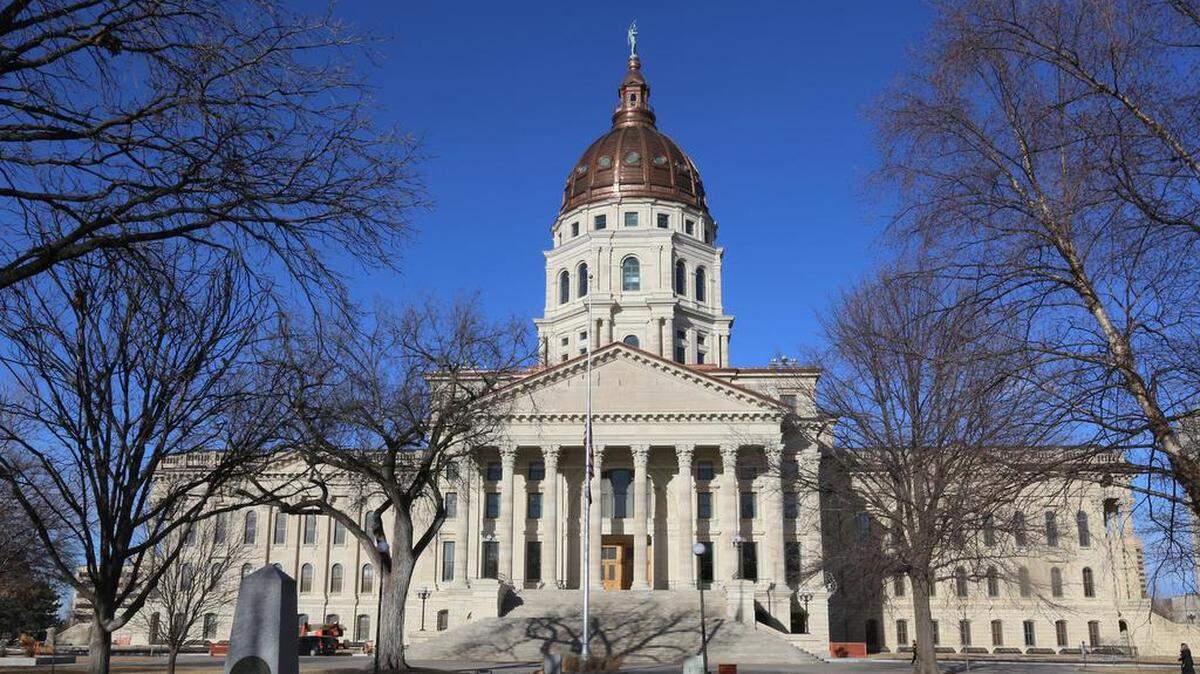
In the wake of a record-long legislative session last year, two Kansas lawmakers now propose limiting the number of days the Legislature can be in session and the amount of money lawmakers can receive for their service.
Last year’s session lasted 114 days as lawmakers struggled to craft a tax plan that would fill a massive budget hole. The state budgets for a 90-day session, and each extra day cost Kansas taxpayers about $45,000.
Senate Vice President Jeff King, R-Independence, and Sen. Tom Holland, D-Baldwin City, each have proposed legislation that would prevent that from happening again.
Holland unveiled his proposal Thursday at a news conference with other Democratic leaders. His bill, which does not yet have a number, would pay lawmakers up to 90 days during odd-numbered years in which they have to pass a two-year budget and 60 days in even-numbered years “to limit the cycle of wasted taxpayer dollars.”
Lawmakers now receive a salary of $88.66 for each day the Legislature is in session and a daily stipend of $140 to cover food and lodging in Topeka.
“We’re asking legislators today to start walking the walk, as well as talk the talk when it comes to addressing government processes and efficiencies,” Holland said. “…Folks all around this state go to work every day and do what is expected of them. We need to do the same.”
Holland said he expected the idea to find bipartisan support after lawmakers faced a barrage of criticism for the extended session last year.
King’s proposal would limit the session to 100 days in odd-numbered years and 60 days in even-numbered years.
King would also change the way lawmakers are paid, so that lawmakers would receive an annual salary rather than being paid for each day they’re in session. Under the proposal, lawmakers would receive $8,800 for budget years and $5,400 for off years.
Some lawmakers refused their salary for extra session days last year, but those who did not would have received $10,107 for the 114-day session.
King said the change would promote efficiency because lawmakers would be set to receive a set pay rate regardless of the session length.
“We need to incentivize the Kansas Legislature to accomplish its work and adjourn as quickly and efficiently as possible,” King wrote in a newsletter to constituents earlier this month.
Bryan Lowry: 785-296-3006, @BryanLowry3
This story was originally published January 21, 2016 at 12:13 PM with the headline "Bills seek to limit Kansas legislative session’s length, lawmakers’ pay."