
This Kansas community wants to raise sales tax to lower property taxes
A western Kansas town is placing its bets on lowering property taxes for residents by raising its sales tax rate.
Pratt, about an hour and a half drive west of Wichita, will ask voters to raise its sales tax rate by one percent.
The August vote comes as local governments contend with how to lower property taxes for residents as property valuations continue to rise. State lawmakers tried but failed to deliver on a promise of property tax relief this year.
Property valuations have increased in Pratt, as in many Kansas communities, since the COVID-19 pandemic, leading to higher property taxes.
According to the city, the current mill levy rate is 53.139 mills. A one percent increase in sales tax could reduce that by half, which would lead to $306 in yearly property savings on a $100,000 home.
“Our citizens have said we need this, we need relief, we need something, and this was one of our solutions to help them out,” Pratt Mayor Kyle Farmer said.
The city of 6,587 people said about a third of its sales tax revenue comes from non-residents.
Multiple highways, including U.S. 54, run through the town, making it a transportation hub. It’s also the largest city in Pratt County and many people in surrounding towns shop there, including at the Walmart.
Those who support the sales tax, including city officials, said increasing sales taxes and then lowering property taxes would be a more balanced approach in funding for the city.
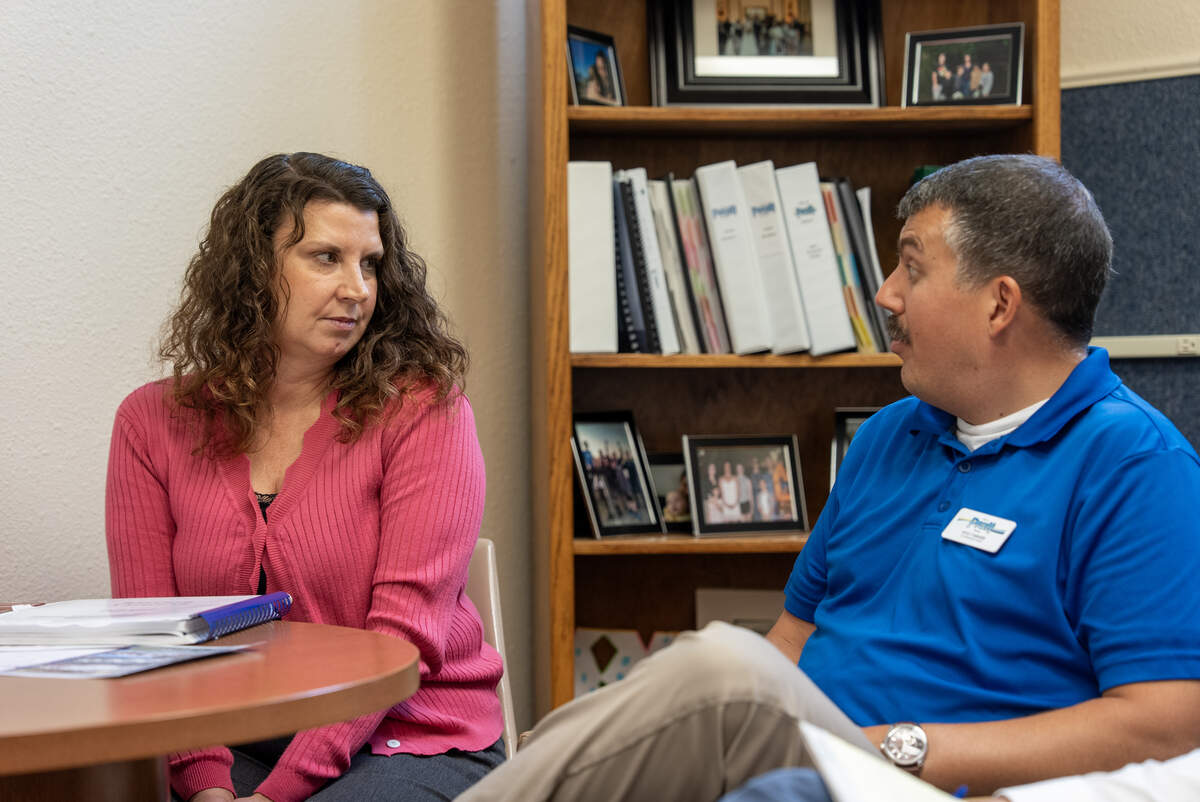
“City of Pratt citizens pay a much higher property tax than residents that live just outside the city, but residents that live just outside the city benefit a great deal from the city,” City Manager Regina Goff said. “It’s them paying a small portion into the services that they enjoy already.”
But raising sales taxes can be a hard pitch for residents.
Pratt’s sales tax rate now is 9%, with the rest of the cities in the county at 8.25%.
Most other surrounding cities and counties enjoy lower sales tax rates, aside from Kingman to the east.
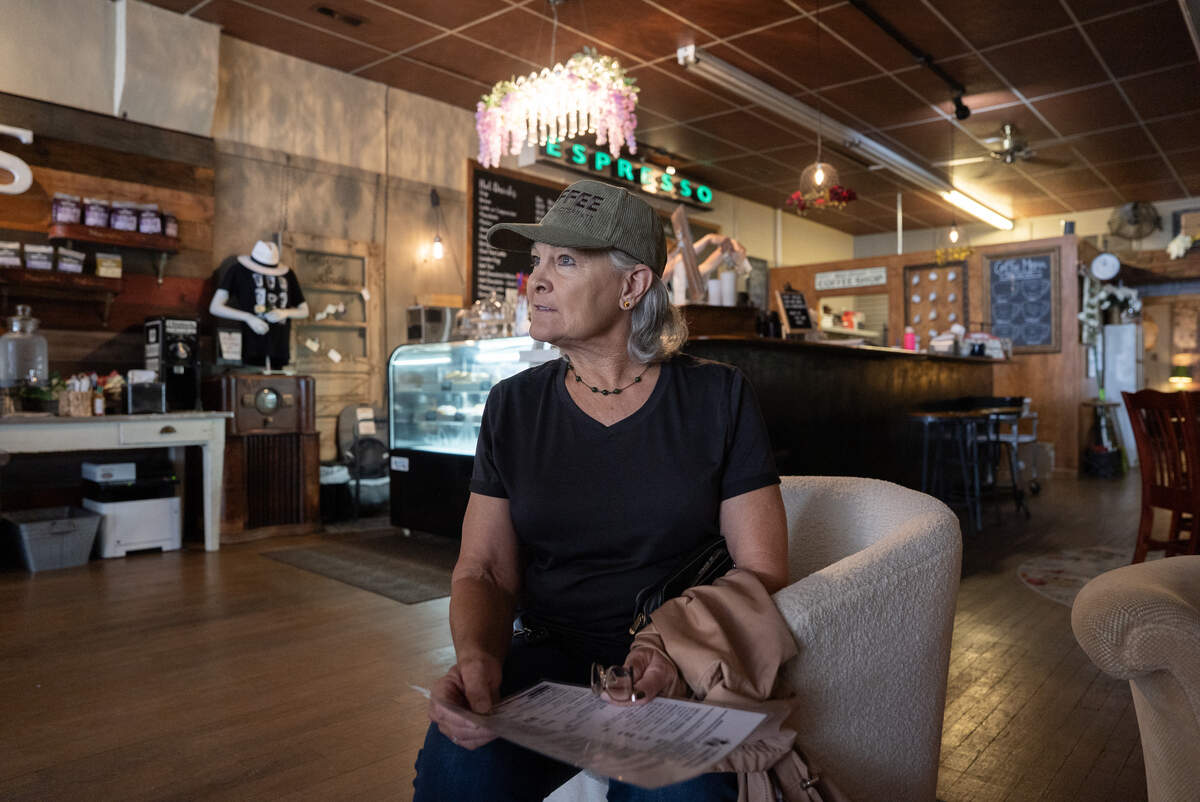
City resident Cindy Dannebohm raised that same point in an interview with The Eagle.
“They’re already pretty high,” Dannebohm said about paying sales taxes in Pratt.
She said in late May that she hadn’t decided how she’ll vote yet on the sales tax measure, and she still has questions that need to be answered.
“My question is, why does Pratt have to keep raising taxes unrealistically?” she said. “I wonder what they are in Barton County, because Barton County has as much to offer as Pratt. I’m a native of Barton County, so price comparison would be informative.”
Barton County north of Pratt has a sales tax rate of 7.5%. Shoppers in Great Bend in that county usually pay 8.7% in sales tax.
Some area business owners are enthusiastic about the sales tax vote.
Paul Sjurseth owns the Baymont Hotel on the east side of town.
Sjurseth, who does not live in the city but said he visits often, also owns several hotels in North and South Dakota, which he said have much lower property taxes.
“There in Kansas, property taxes are five times more than I pay in other states. It’s ridiculous,” Sjurseth said. “I’m definitely a proponent of sales tax, because I feel it’s the most fair tax.”
University of Kansas Economist Donna Ginther warns that sales taxes are regressive, meaning lower-income families, especially those who don’t own property, will bear the brunt of the higher sales tax.
It’s also replacing one tax for another, she said.
“This is a transfer of tax burden from people who have wealth to people who potentially do not have wealth,” Ginther said. “Low-income households consume all of their income. So they end up, when we increase sales taxes, they end up paying a higher share of their income in tax.”
Ginther instead suggests that cities looking to lower their property taxes invest in bringing economic development opportunities – or even tourism.
“Property taxes are lower if you have more commercial properties paying in for property taxes,” she said. “So economic development, higher population growth, means that the tax burden is more distributed.”
Sjurseth, who resides in North Dakota, said his state has invested heavily in tourism to keep taxes lower for residents.
“Promoting tourism, I think, is the best way to go, and the residents get some relief on property tax when there’s a higher sales tax for all the transient commuters and tourism. That helps a lot,” he said.
“As far as economic development ... I could have picked any state of the nation to buy a hotel, and I picked Pratt because the community is amazing, and there’s really good people there, but a little bit of... stagnant growth, I think, because of the high property taxes.”
Pratt already draws visitors to its community, with the city saying a third of people who spend money in the city reside outside city limits. It also hosts the Miss Kansas pageant every year.
But residents are calling for lower properties taxes immediately, and investments like that take time, especially for smaller communities like Pratt.
“Why does our property tax have to be so high anyway?” Dannebohm said. “Other communities have colleges in the community, which helps the community, so why do they have to do it (raising taxes) again?”