Company behind 7-OH boom donated to Ty Masterson’s campaign before kratom ban
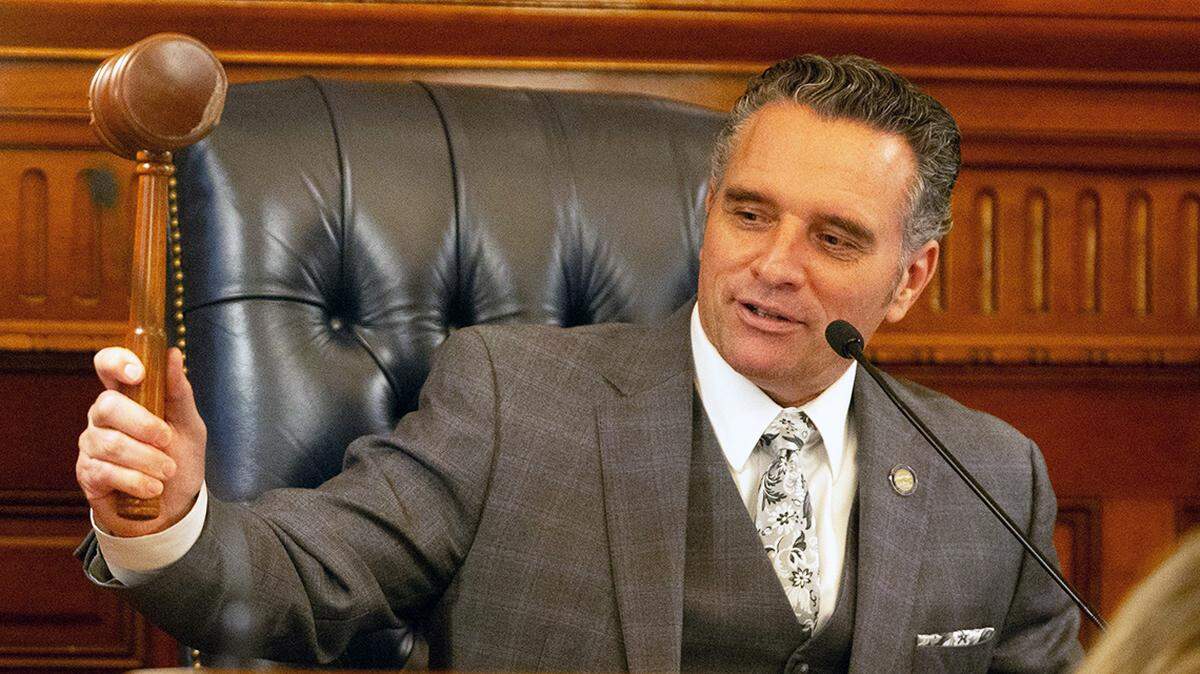
Kansas Senate President Ty Masterson isn’t planning to return or donate the $8,000 that his campaign for governor received last December from a Kansas City-based company on the forefront of the booming 7-OH industry.
Masterson, who is widely considered to be one of the leading candidates in a deep Republican primary field, was gifted the maximum corporate donation under Kansas law from Shaman Botanicals on Dec. 31, secretary of state records show.
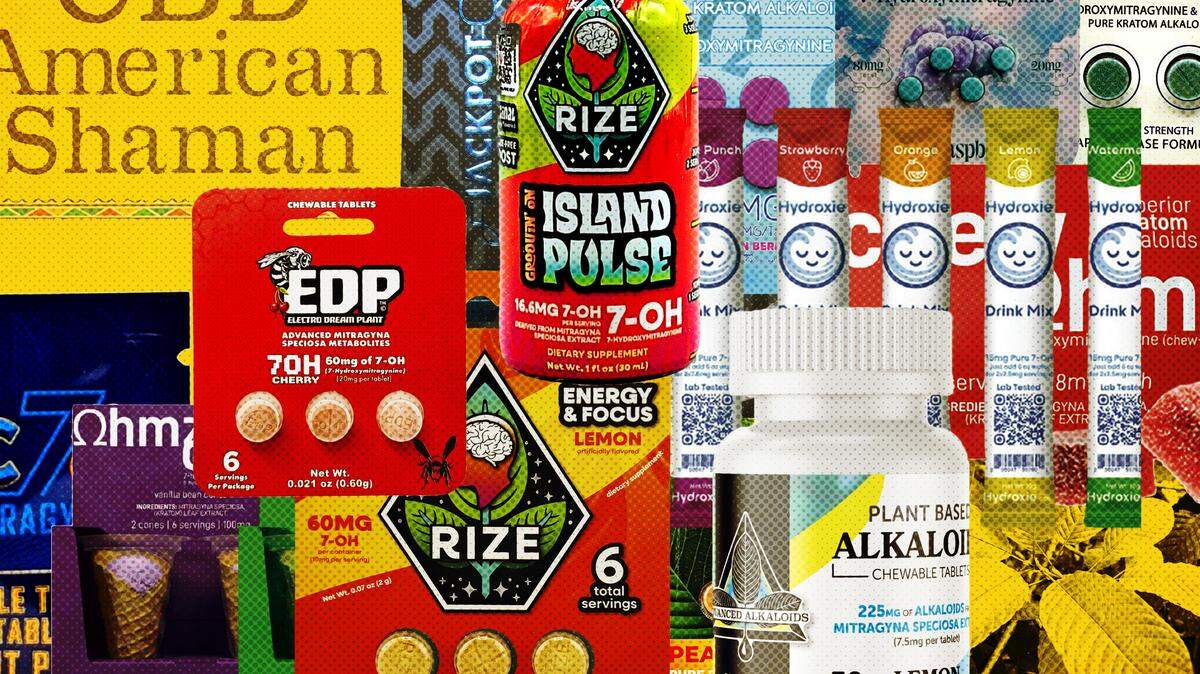
That company is a subsidiary of CBD American Shaman, the nationwide retail empire run by Vince Sanders, who claims credit for developing 7-OH, a potent gas station opioid that researchers consider to be more addictive than the kratom leaves it is derived from.
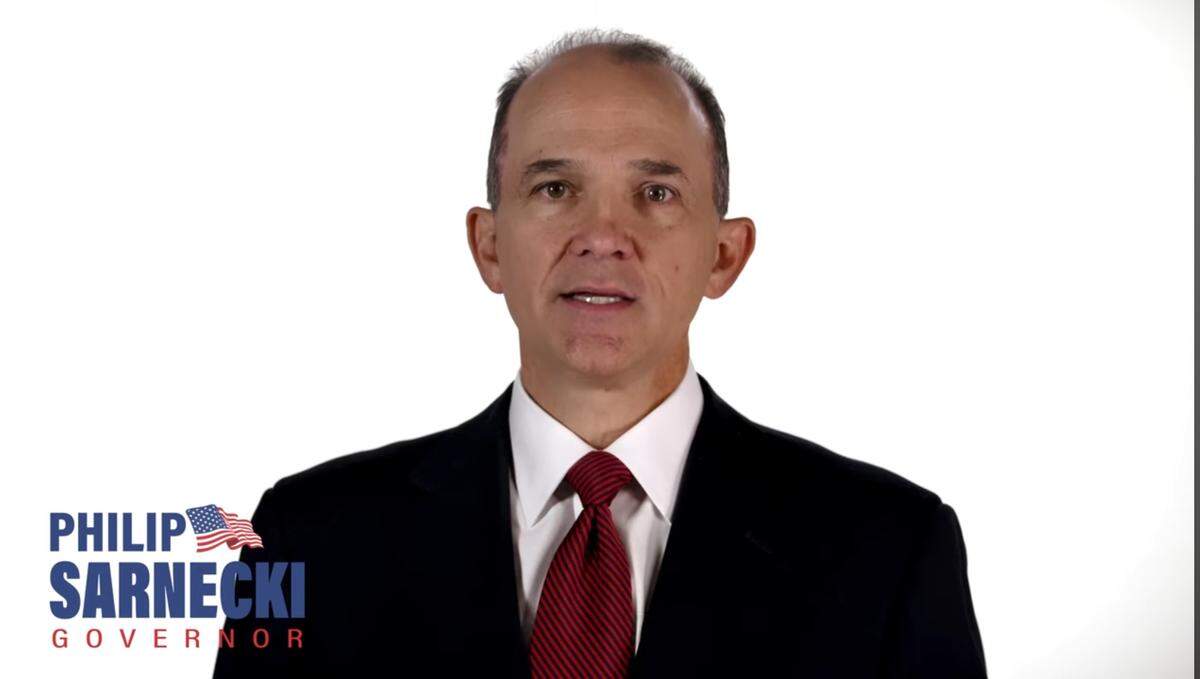
Another GOP candidate, Johnson County entrepreneur Philip Sarnecki, also received support from a major kratom wholesaler and his wife, both of whom made $4,000 in-kind contributions for “catering & venue rental” in December, according to campaign finance records.
Sarnecki has so far refused to provide information about the nature of his relationship with the couple or which campaign events they were involved with.
The Sarnecki and Masterson campaigns both provided statements condemning 7-OH and kratom as dangerous and praising lawmakers for taking action to criminalize the substances.
“President Masterson has always been, and will remain, committed to protecting Kansas children and those struggling with addiction from dangerous substances and drugs,” said Garrett Henson, Masterson’s campaign spokesperson, in an email.
This spring, the Kansas Legislature moved to reclassify both 7-OH and mitragynine, the primary alkaloid in loose-leaf kratom, as Schedule 1 controlled substances — the same as heroin, LSD and other drugs that health authorities say have no accepted medical uses.
“This dangerous and addictive drug has been widely available to minors and recovering addicts in gas stations across the state. Not anymore,” Masterson said in a social media post last week.
In a statement provided by his campaign, Sarnecki said that 7-OH and kratom products “have been a disaster” for Kansans.
“I’m glad to see legislation pass to get harmful substances out of Kansas,” Sarnecki said. “As governor, I will always fight to keep dangerous drugs off the street to protect our people.”
Shaman Botanicals political donations
The campaign donation from Shaman came in the days before lawmakers convened in Topeka for the 2026 session. Shaman cut Masterson an $8,000 check three weeks after contributing $3,000 to House Speaker Dan Hawkins’ campaign for insurance commissioner.
Masterson and Hawkins, who control which pieces of legislation come to a vote in their respective chambers, both supported the 7-OH and kratom ban, which Gov. Laura Kelly signed into law earlier this month.
In a phone interview, Sanders, the president of Shaman, described the donations to Masterson and Hawkins as “standard.” He said he was disappointed that the legislative leaders chose to move forward with the rescheduling legislation.
“Ty definitely was anti-this, even though we’ve always been friendly on hemp issues and things,” Sanders said. “But he has hopes of running for governor and he needs that Republican support behind him.
“Unfortunately, what’s right for the people is not what’s done,” Sanders added. “It’s what’s right for the politician at the given moment. ‘Hey, I get political capital from this, so this is the side that I’m going to be on.’ Behind closed doors, they’ll apologize to you.”
Referencing Masterson and Hawkins, Sanders said he has “talked to them” about Kansas’ approach to regulating 7-OH and cannabis-infused products that Shaman also manufactures and distributes.
Masterson’s campaign said he had never met with Shaman officials and was unaware that the company had contributed to his bid for governor. Hawkins’ campaign did not respond to a request for comment.
Kratom-linked in-kind contribution
In response to The Star’s inquiry, Sarnecki provided a statement denouncing 7-OH and kratom. But a spokesperson for the campaign did not respond to multiple follow-up questions about the in-kind contributions, which are non-monetary donations of goods or services.
The combined $8,000 in gifts came from Eyal David Gabbay and Maya Gabbay, a Dallas-based couple, on Dec. 18. Sarnecki’s website and social media accounts make no mention of a campaign event on that day.
Eyal David Gabbay is the manager of a Texas-based kratom wholesaler, Jopen, that sources the substance for vendors around the country, according to federal court documents. He and his company are named as defendants in ongoing kratom-linked wrongful death lawsuits in Louisiana and Tennessee.
Eyal David Gabbay is aligned with the American Kratom Association, an advocacy group that lobbies against bans on most kratom products but holds that the 7-OH derivative is an “imminent threat to consumers.”
Neither of the Gabbays responded to requests to be interviewed for this story.
Other candidates’ stances on kratom
Efforts are underway at the federal level to crack down on 7-OH as health authorities scramble to better understand the highly addictive compound’s effects.
Health and Human Services Secretary Robert F. Kennedy Jr. made an official recommendation last July to reschedule 7-OH federally as a Schedule 1 substance. That recommendation, which does not include the primary alkaloid in non-7-OH kratom products, is being reviewed by the Drug Enforcement Administration.
A growing list of states have adopted their own 7-OH bans, and six states have also implemented bans on non-7-OH kratom products, while others have opted to regulate the substance instead.
The blanket ban on kratom products in Kansas divided the two leading Democratic candidates for governor, Sen. Ethan Corson of Fairway and Sen. Cindy Holscher of Overland Park.
Corson, Kelly’s chosen successor, voted for the ban, citing “the horror stories of addiction, hospitalization and death tied to this substance.”
“A dangerous product should not be sold as casually as a soda at a gas station or marketed in a way that makes it look harmless to young people,” Corson said in a statement.
Holscher voted against the kratom ban.
“I have concerns about kratom’s widespread availability but I thought the Schedule 1 classification went too far for a drug that experts still don’t fully understand,” she said in a statement. “Unfortunately, the legislative process was rushed.”