
Wichita unlikely to get new water plant this year due to design flaw, official says
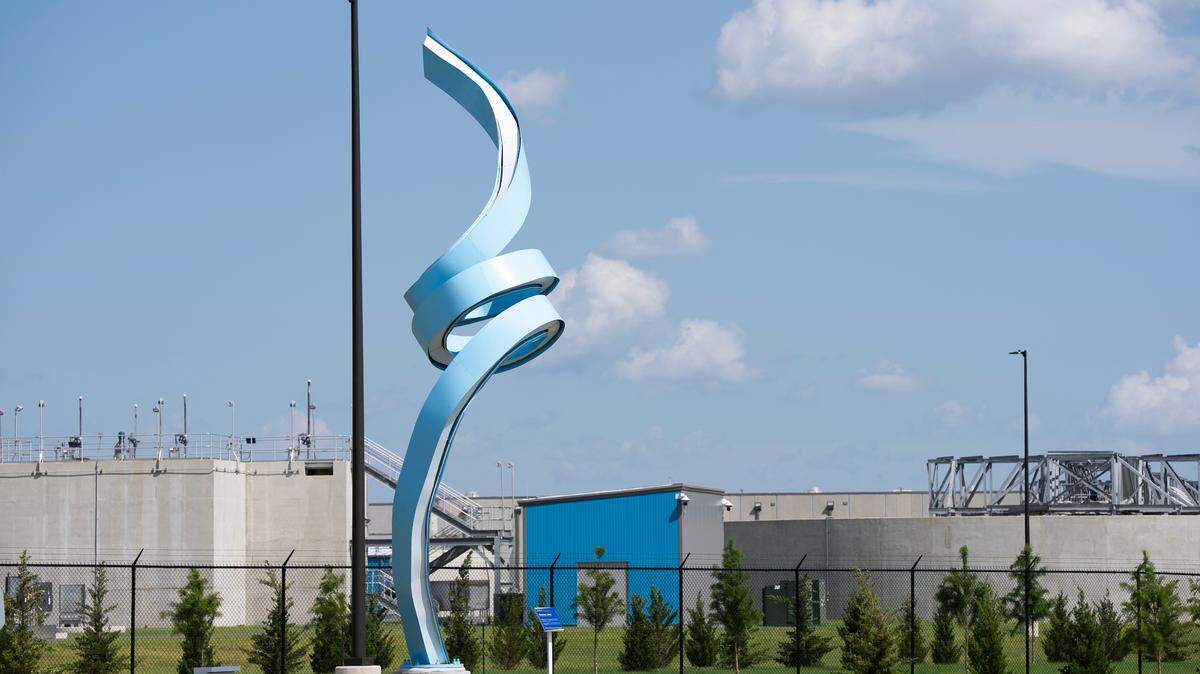
Wichita’s public works and utilities director shared bad news at the City Council’s first meeting of 2026: Wichita likely won’t have a new water plant this year.
The $574 million project was originally scheduled to be complete in September 2024.
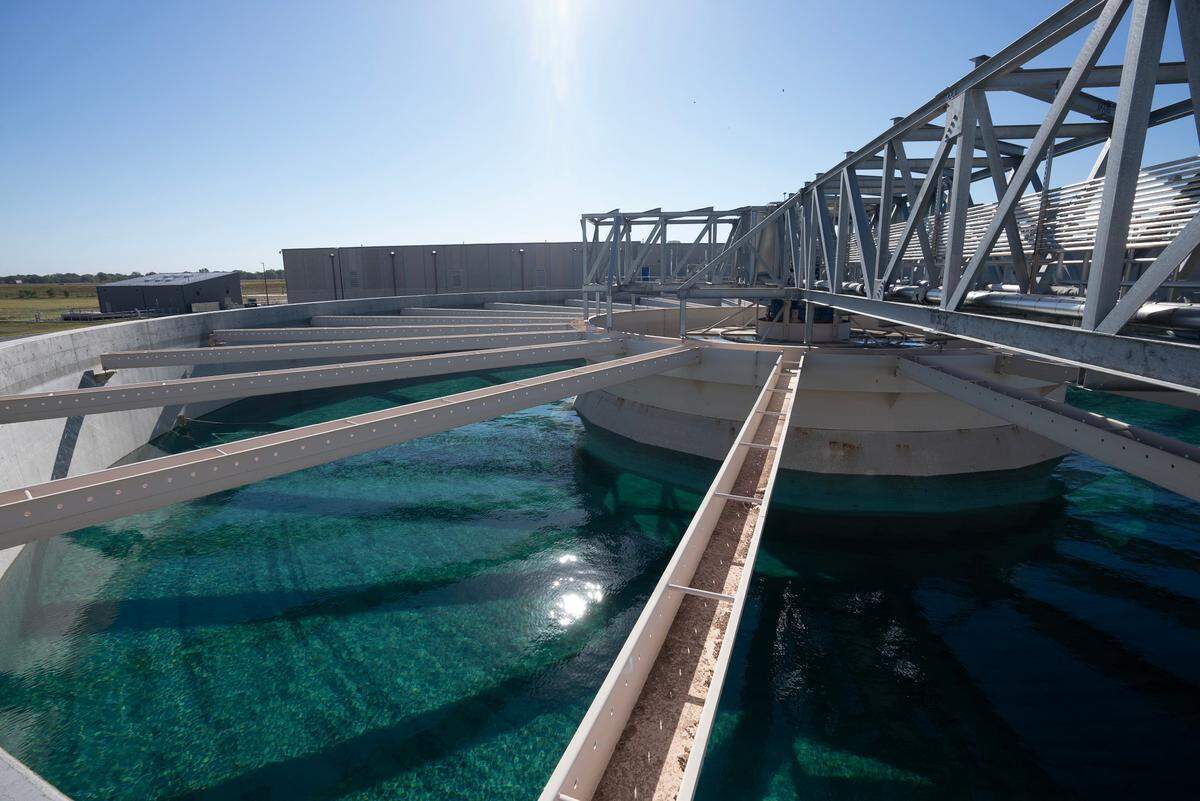
The Wichita Water Works plant, near the Sedgwick County Zoo, doesn’t work because of a design flaw related to the water treatment facility’s clarifiers, Gary Janzen, director of public works and utilities, told the council. Multiple contractors have been hired to identify the root cause, he said, and the city’s waiting for their findings to provide further details on the new plant.
Janzen said the clarifiers will likely require a complete redesign and rebuild before the plant is operational.
“I don’t think it’s likely that we take ownership of this plant before the end of this year,” Janzen said. “But we’ll know more in the coming months what that timing will look like. The next critical step is to make a decision on moving forward with the design for repairing the clarifiers and fixing the issues that we’ve encountered.”
Wichita Water Partners — a joint venture between Burns & McDonnell and Alberici, along with several local engineering and construction firms — received the largest contract in the city’s history through a controversial bidding process in 2019.
The back-end of the project has been marred by delays, added costs and public outcry over contractors using millions of gallons of water a day to test the plant while the rest of the city was under drought restrictions over the past two years.
The city’s selection committee in 2019 voted 11-0 to award the design-build project to Jacobs Engineering, one of the top water plant engineering firms in the country. But then-Mayor Jeff Longwell steered the contract to Wichita Water Partners, who had never designed and built a water plant the size of Wichita’s but had showered him in undisclosed gifts in the form of golf rounds, access to company country-club perks, steakhouse dinners and out-of-state golf trips — which Janzen also attended — ahead of the contract award.
The City Council had an opportunity to put the project back out for bid in December 2019 but declined, with several council members saying it was “too risky” to rebid the project given the state of the existing water treatment plant and the need to move quickly to replace it.
The project is now expected to be more than two years late. Janzen said the cost of redesigning and rebuilding the clarifiers will be paid by Wichita Water Partners.
“All of these costs are the responsibility of Wichita Water Partners,” Janzen said. “There will be no additional cost — no additional cost to the city of Wichita, to our ratepayers, for any of this work that’s being completed now and that will continue through the end of the project.”
Vice Mayor JV Johnston said he sat in on a recent meeting with Wichita Water Partners and city staff where a contractor apologized for design mistake.
“The subcontractor just admitted probably 10 or 12 times they made a mistake, and they were sorry,” Johnston said. “So, it happens.”
Johnston said he wants Wichita Water Partners to reimburse the city for its expenses related to the delays, including depreciations at the new plant.
“We’re going to get a water treatment plant that’s two or three years old,” Johnston said. “There should be some consideration made for that also.”
Old plant, new life
City officials say the city has made enough investments in the existing water plant to keep it running until the new plant comes online.
The exact nature and extent of the clarifier problems have not been publicly disclosed. And city officials say they won't know the full extent — or have a timeline on the repairs — for several months.
“Wichita Water Partners have put several third-party vendors under contract, at their expense, working on a plan to move forward with repairs,” City spokesperson Megan Lovely said. “They are expected to provide us a plan, and schedule for that plan, by the end of (March).”
Wichita has also hired a separate “third-party independent analyst” to evaluate the plant's troubles and plans to “pursue reimbursement from Wichita Water Partners on that cost,” Lovely said.
While the project is delayed, Wichita's 500,000 water customers throughout the region will continue receiving water treated by the city’s 86-year-old Main Water Treatment Plant in Riverside. It’s scheduled to be set as an emergency-use-only plant when the new one comes online.
Lovely said the city has made substantial investments in the existing water plant, where 99% of the plant's infrastructure was found to be in poor or very poor condition in 2017.
The existing plant's advanced age and poor condition prompted the city to build the new plant in northwest Wichita, with former public works director Alan King telling The Eagle in 2019 that concerns about the current plant’s condition kept him awake at night.
Lovely said the city’s largest investments in the plant since that assessment include:
- Replacement of the chemical feed system
- Filter repairs
- Roof replacement and wall repairs
- Filter value replacement
- Valve actuator and gears replacement
“We believe that the investments we’ve made into the original plant will keep it running well for the foreseeable future,” Lovely said. “Once the new plant is handed over by Wichita Water Partners and comes online, we have earmarked additional funds to make substantial upgrades to ensure we have a backup plant should our community ever need it.”
The City Council on Tuesday approved a design-build project to convert the Main Water Treatment Plant to an emergency-use plant. The city received one bid for the project, which is expected to cost $11 million to $16 million. It came from Wildcat Construction, one of the companies on the Wichita Water Partners team that gave gifts to Longwell while the new plant was open for bidding.
Council member Dalton Glasscock pressed Janzen on why the city received one proposal on the project.
“The team that we have probably has the most knowledge of our current plan as anybody in the industry, just the work that they’ve done over the years,” Janzen said. “And so what happens when you look at projects like this, and people see it coming, they realize that there are others out there who’ve been a part of it, and generally, they recognize that they won’t be competitive. And so they’ll stay away from the project. I would guess it has a lot to do with it.”
Construction on that project is expected to take two years but can't start until the new plant is operational.
This story was originally published January 7, 2026 at 4:52 AM.